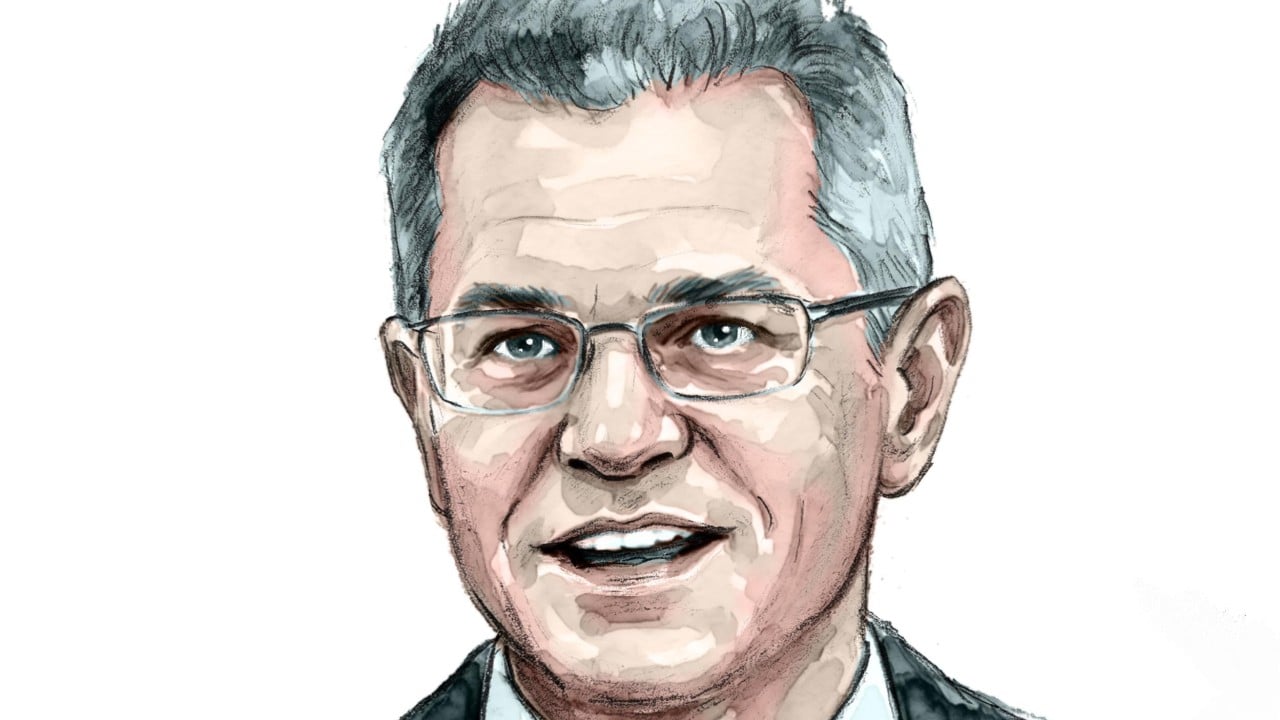
We live in an era where international cooperation feels like a relic of the past. Trust between major capitals is completely broken, and traditional diplomacy is flatlining. Former Serbian foreign minister Vuk Jeremić calls this messy reality a "geopolitical recession," and honestly, it's hard to argue with him.
The global order isn't just shifting; it's fragmenting. While Washington and Beijing lock horns over trade, technology, and security, middle powers and regional blocs are left scrambling to figure out where they stand. Europe, in particular, finds itself caught in an awkward middle ground, paralyzed by its own internal divisions and an outdated reliance on transatlantic alignment.
The Illusion of European Autonomy
If you listen to European policymakers talk about strategic autonomy, you would think the continent is just a few policy papers away from charting its own course. But true independence requires hard choices. Jeremić points out a fundamental truth that many European leaders refuse to say out loud: Europe will only achieve real strategic autonomy when it develops the diplomatic courage to say no to Washington and yes to Beijing.
Right now, that's not happening. Brussels routinely ties its own hands by treating relations with China through a purely reactive lens, often mirroring American anxieties rather than pursuing its own distinct economic and security interests. China's rise isn't a temporary disruption you can manage with tariffs or stern warnings. It is a structural realignment of global power. If Europe keeps pretending it can opt out of engaging constructively with Beijing while the rest of the Global South builds deep economic bridges with Asia, it will render itself irrelevant on the world stage.
Navigating the Many-Body Problem
International relations used to look like a game of chess between two superpowers. Today, it resembles a complex physics equation featuring multiple interacting bodies pulling in different directions.
Multipolarity is here, but it's messy. You have traditional heavyweights, resurgent regional players, and economic networks that completely bypass traditional Western financial institutions. Beijing understands this new architecture intimately. China's foreign policy is calculated to restore its historical standing at the center of global affairs, but it operates with a long-term strategic patience that Western electoral cycles simply aren't built to match.
While Western leaders focus on short-term political wins and domestic polling, Beijing invests in infrastructure, technological standards, and diplomatic frameworks across Africa, Latin America, and Eastern Europe. You don't have to love China's governance model to recognize that ignoring these ground realities is pure self-sabotage.
What Comes Next for Global Diplomacy
The old multilateral institutions, built in the shadow of the Second World War, are buckling under the weight of modern crises. The United Nations and other global forums frequently resemble talking shops rather than problem-solving engines because the primary stakeholders refuse to compromise.
If we want to pull out of this geopolitical recession, leaders need to stop treating international relations as a zero-sum game where one side's gain is automatically someone else's catastrophic loss. Middle powers like Serbia and other European states need to stop waiting for permission from superpowers to pursue pragmatic, multi-vector foreign policies.
The global landscape has already changed. It's time our diplomatic strategies caught up.