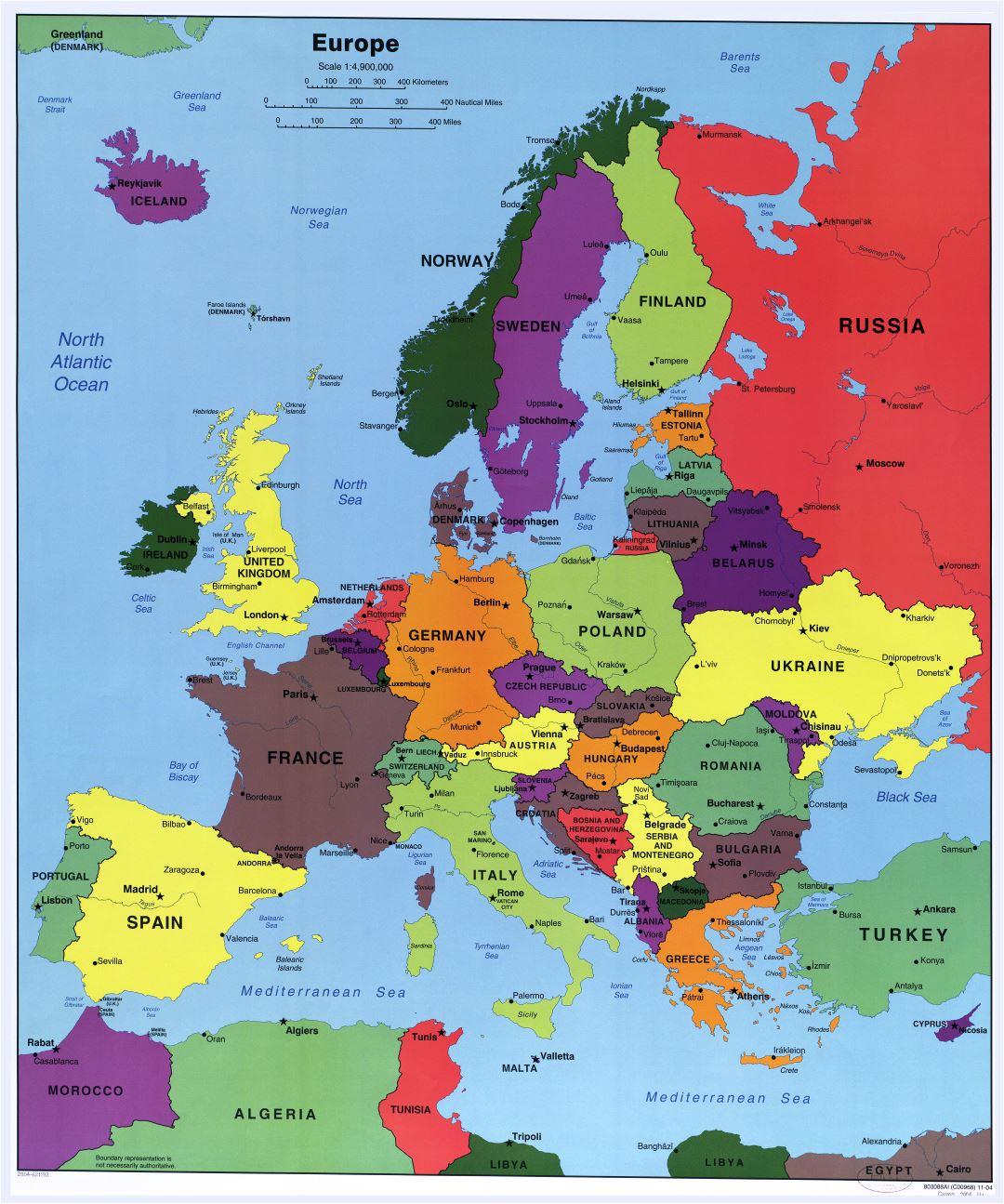
European capitals are losing their minds over Washington's sudden push for a grand bargain with Moscow. When US officials hint at crafting a brand new security architecture for the entire continent behind closed doors, alarm bells start ringing from Warsaw to Brussels. You can't redraw the map of European defense without the actual Europeans in the room, yet that is precisely what a Washington-led deal with Russia threatens to do.
Let's look at why this friction is boiling over right now. Ahead of high-stakes peace talks slated for Abu Dhabi, US President Donald Trump and his envoy Jared Kushner have floated the prospect of a massive agreement with Russia covering not just Ukraine, but all of Europe. Senior US officials insist that any future framework will protect national sovereignty and prevent any single state from holding a veto over another nation's alliances.
European leaders aren't buying the reassurance. EU foreign policy chief Kaja Kallas bluntly reminded Washington that a functioning European security architecture already exists. Polish Foreign Minister Radosław Sikorski didn't mince words either, noting that drafting the continent's future without active European participation is deeply unwise. Ukrainian officials echo the same fear, pointing out that Russia cannot act as a credible security guarantor for the very region it attacked.
Why does Washington keep pushing these bilateral shortcuts? American administrations often suffer from a superpower blind spot. They want a quick diplomatic win, a neat headline about ending a bloody war, and a return to great-power bargain-making reminiscent of the Cold War. Dealing directly with Moscow over the heads of smaller European nations feels efficient to strategists sitting in the West Wing.
It ignores the basic political reality on the ground. The European Union has twenty-seven member states, each with unique threat perceptions, historical traumas, and security needs. You can't simply bypass the bloc and expect its leaders to rubber-stamp an agreement negotiated by outsiders. Furthermore, European nations are currently footing massive bills for reconstruction and military support—estimates for Ukraine alone hover near $588 billion over the next decade. If Europe is expected to finance and enforce the peace, Europe must write the rules.
There is also a profound skepticism regarding Russian intentions. Senior diplomats in Washington and European capitals remain entirely convinced that Moscow isn't ready for genuine concessions. They see the US push for security talks as a trap that could legitimize Russian territorial grabs while dismantling the unity of the transatlantic alliance. When Washington talks about a broader security architecture, European capitals hear echoes of old spheres of influence where small countries get carved up by superpowers.
The upcoming talks in Abu Dhabi will test whether the White House is willing to listen to its allies or plow ahead regardless. If Washington tries to force a fragile compromise down Europe's throat, the fracture within the Western alliance might become permanent. Security guarantees aren't just pieces of paper signed in a neutral desert city; they require teeth, consensus, and absolute trust among neighbors. Right now, trust is in very short supply.



