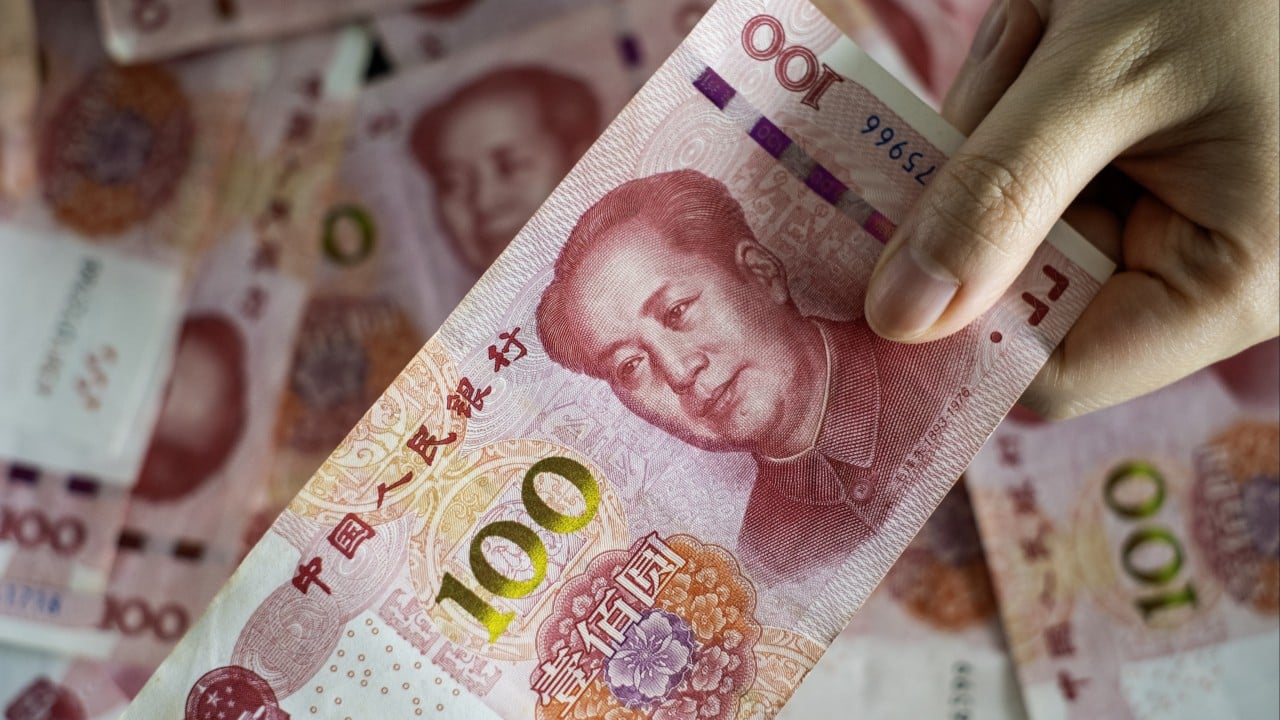
Europe's trade deficit with China isn't just a number on a spreadsheet anymore; it's an existential crisis for domestic manufacturing. With the bilateral goods trade gap pushing past the €400 billion mark, European policymakers are panicking over what economists call "China Shock 2.0." Factories are bleeding jobs, major automakers are restructuring with massive layoffs, and cheap state-subsidized exports keep flooding European ports. Now, Brussels is changing tactics. Instead of just slapping on reactive tariffs, top financial and banking officials are preparing to descend on Beijing for high-level macroeconomic dialogue. Their core mission? To convince Chinese authorities to let the yuan appreciate.
If you think changing currency valuations will fix a multi-billion-dollar trade imbalance overnight, you're missing the bigger picture. This upcoming push represents a desperate attempt by European capitals to find a structural fix to a problem that tariffs alone haven't solved.
The Reality Behind China Shock 2.0
Let’s be honest about why Europe is sweating. Domestic consumption in China remains subdued due to ongoing economic adjustments, leaving an ocean of manufactured goods—from chemicals and machinery to plastics and hybrid vehicles—looking for buyers abroad. Europe's open markets absorb a massive share of this surplus.
European industry leaders argue that keeping the yuan artificially competitive gives Chinese exporters an unfair structural advantage. When currency values stay depressed relative to productivity, goods manufactured overseas remain artificially cheap for European buyers, undercutting local production lines.
We saw a preview of this strategy when European Trade Commissioner Maros Sefcovic secured an agreement with Beijing to cap hybrid vehicle imports. But cars are just the tip of the iceberg. Plastics, chemicals, and industrial machinery are now under intense regulatory scrutiny. Brussels wants broad systemic relief, which explains why the upcoming November macroeconomic dialogue led by senior officials like Maarten Verwey carries so much weight.
Why Currency Diplomacy is an Uphill Battle
Getting Beijing to alter its currency management is notoriously difficult. Critics and market analysts point out that expecting China to actively revalue the yuan without heavy U.S. dollar alignment is wishful thinking. A stronger yuan would squeeze profit margins for Chinese exporters who are already operating in a tight margin environment.
Furthermore, Beijing has its own economic priorities. Chinese policymakers view external pressure on their exchange rate with deep skepticism, often categorizing it as heavy-handed foreign interference. Yet, there is a domestic argument for currency appreciation that local reformers sometimes whisper about: a stronger yuan would boost domestic purchasing power, cheapen vital imports for local consumers, and help rebalance the economy toward internal consumption. Whether Beijing decides that benefit outweighs the immediate pain for export-heavy provinces is another story entirely.
What Comes Next for Global Trade
Europe is walking a tightrope. On one hand, consumers struggling with cost-of-living pressures benefit from cheaper imported goods. On the other hand, allowing foundational industries to hollow out creates long-term vulnerability that no short-term savings can justify.
As delegations prepare for the upcoming talks in Beijing, don't expect miracles. Currency policy is fiercely guarded national sovereignty. If Europe wants to prevent further industrial erosion, currency dialogue is only one tool in a much larger, harsher toolkit that will likely include aggressive safeguard investigations on plastics and specialized machinery. The real test will be whether Brussels can present a unified front that Beijing takes seriously.