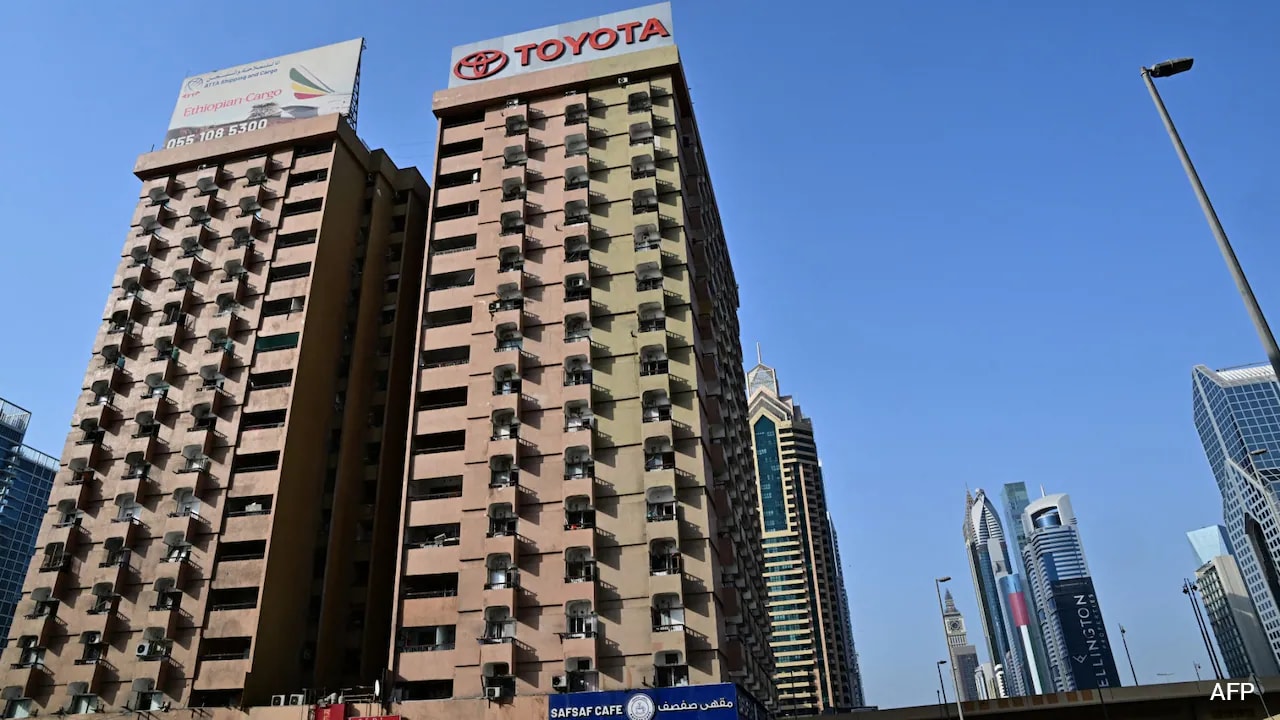
Skyscrapers rise and fall in the Emirates with shocking speed, but some structures manage to stick around long enough to become part of the collective memory. The Nasser Rashid Lootah Building, universally known as the Toyota Building, is heading toward demolition. Standing proudly on Sheikh Zayed Road since 1974, this 15-storey block has outlived decades of neighborhood transformations. When it goes down, an anchor of early modern Dubai history goes with it.
Most people look at Dubai today and see an endless wall of futuristic glass towers, glittering megaprojects, and architectural flexes. They forget that back in 1974, this specific stretch of asphalt was surrounded by open sand and quiet ambition. The Toyota Building was one of the original high-rises to stake a claim here, standing almost alone as Sheikh Zayed Road carved its path through the desert. It wasn't designed to be a tourist attraction or a luxury hotel. It was a functional, mid-century multi-use building that ended up serving as a silent witness to a sleepy trading port turning into a global powerhouse.
The Story Behind the Roof Sign That Fooled Everyone
You cannot talk about this landmark without mentioning the massive neon billboard perched on its roof. The iconic Toyota sign first appeared up there in 1981. For millions of commuters navigating the city's chaotic traffic lanes, that glowing red corporate logo functioned as an informal navigation beacon. People didn't give directions using street names or zone numbers; they told cab drivers to drop them off near the Toyota Building.
Advertising contracts change, corporate partnerships expire, and logos come down. That sign was actually removed briefly in 2018, triggering an unexpected wave of public nostalgia. Residents who had grown up seeing the red letters felt like a piece of their daily routine had been ripped away. The outcry was loud enough that the sign returned in 2022, proving that corporate branding can accidentally transform into local heritage. Now, with the slated demolition for early 2027, that sign is preparing for its final blackout. To see the full picture, check out the detailed report by Al Jazeera.
Why the Wrecking Ball is Coming for History
Progress is ruthless. Properties age, zoning regulations shift, and economic realities catch up with architecture. The 15-storey structure is owned by the Nasser Rashid Lootah Group, and the decision to clear the site isn't just about chasing modern aesthetics. Over the years, the building faced significant challenges tied to urban density. Reports highlighted issues with overcrowding and unauthorized partitioned flats inside older units, a common fate for aging structures caught in fast-growing urban centers where affordable central housing remains scarce.
Cities must reinvent their footprints to survive. Keeping a 1974-built mid-rise wedged between multi-billion-dollar transit networks and ultra-tall skyscrapers doesn't make financial or spatial sense for a booming metropolis. Even so, watching it go stings for long-term residents who remember watching the Burj Khalifa grow right past their windows.
What the Demolition Tells Us About Urban Memory
Every major city faces a brutal tug-of-war between preservation and profit. Historic preservation in Dubai often gets overlooked because the place moves too fast to look in the rearview mirror. Buildings from the 1970s and 1980s occupy an awkward phase—they are too old to be considered modern marvels, yet too young to be officially protected heritage sites.
When the structure finally falls, the empty plot will inevitably turn into another glass-and-steel development. Yet, the loss exposes a deeper truth about urban identity. A city is built out of concrete and steel, but it survives on shared memories. Thousands of people passed through those corridors, paid rent in those apartments, or used that roof sign to find their way home.
Take a drive down Sheikh Zayed Road while you still can. Look up at the red letters against the skyline one last time. Landmarks change, but the foundation they laid for the modern city remains untouched.



