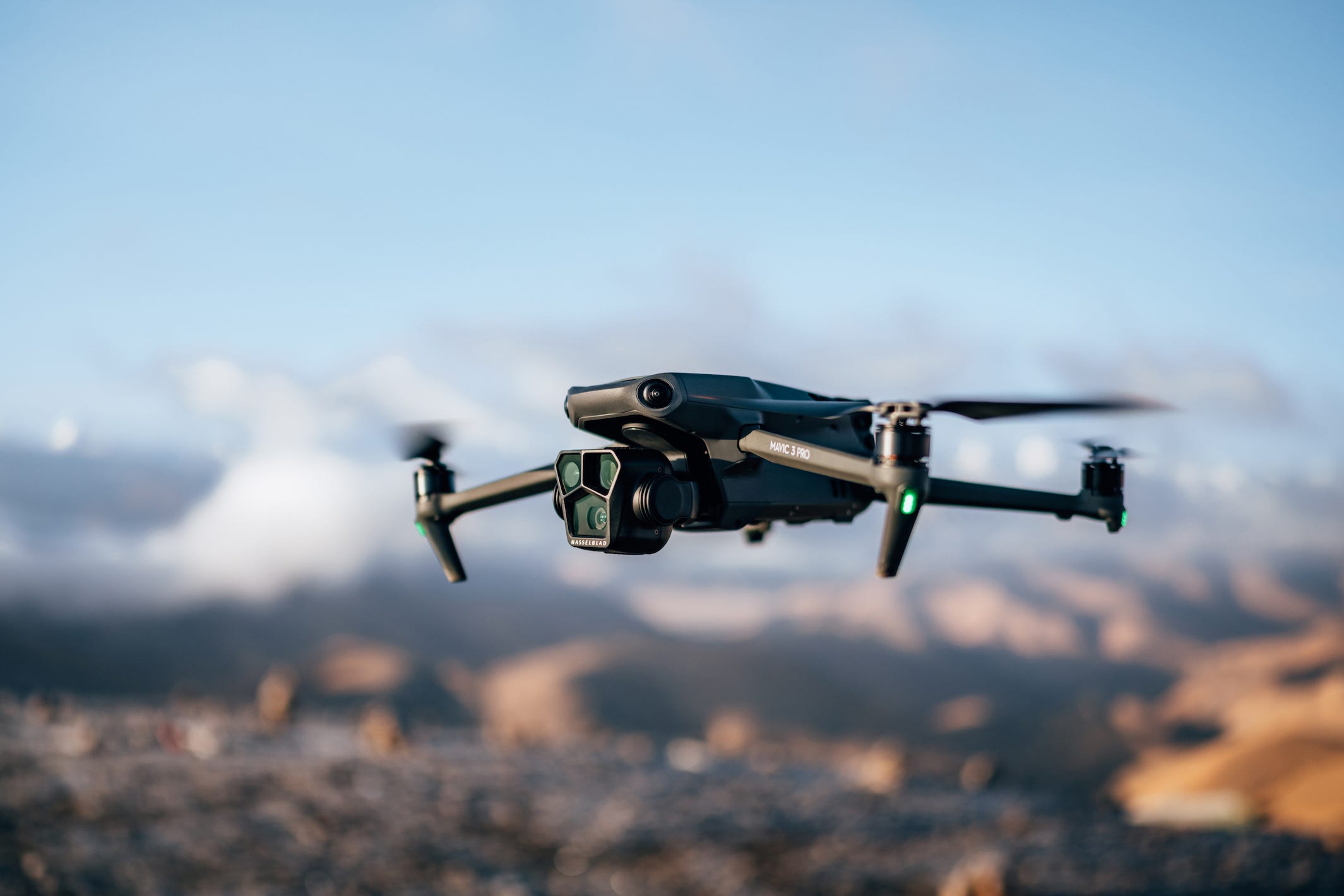
Explosives dropped from the sky hit a police base in Cúcuta early Monday morning, November 23, 2026, injuring civilians—including a very young child—and damaging roughly 60 nearby homes.
Let that sink in. For years, analysts talked about small drones as a rural nuisance or a border-zone problem in Colombia. Now a major northeastern city has taken a hit right next to residential streets.
Look at what happened in the Tasajero neighborhood of Cúcuta. Drones carrying explosives struck the Norte de Santander police facility around 2:00 a.m. local time, landing near administrative and lodging areas while houses stood just meters away. Local reporting noted a couple and their young child were hurt among the injured civilians, with exact casualty counts still settling as authorities investigated. That gap between a military or police target and a family living room is why this story matters far beyond one morning's headline.
Why Drone Attacks in Colombia Changed the Conflict
If you only read short wire briefs, you might treat Cúcuta as just another flare-up in a long-running conflict. Honestly, that misses the bigger shift.
Cheap commercial quadcopters rigged with explosives are cheap, hard to spot on old radar, and easy to launch from cover. Armed groups don't need heavy artillery or big squads to test a base anymore. They need a couple of operators, batteries, and improvised payloads.
Data from the Ideas for Peace Foundation shows illegal armed groups carried out 323 drone attacks during the first nine months of 2026. That's a 95% jump compared with the same stretch a year earlier. Separate tracking by Caracol Radio also counted dozens of drone strikes during President Abelardo de la Espriella's first 100 days in office, including fatal hits on soldiers.
I've watched asymmetric conflicts adapt to cheap tech in other regions, and the pattern is always frustratingly consistent. Defenders buy expensive armor or traditional patrols. Attackers spend a few hundred or a few thousand dollars on aerial hardware that drops ordnance from above.
Escalation Under De la Espriella's Offensive
Politics is pouring fuel on this shift. President Abelardo de la Espriella, who took office in August 2026 after campaigning on a hardline security approach, stepped up military offensives, increased air strikes, and scrapped peace negotiations that had been pursued under former President Gustavo Petro.
Pressure from security forces has pushed armed groups to retaliate using drones, makeshift rockets built from gas canisters, and roadside bombs. Just days before the Cúcuta strike, an attack using drones and rockets on a military base in Cesar left one soldier dead and 12 others injured. Earlier in November, drone-dropped explosives at a base in Santa Rosa del Sur killed three soldiers and wounded at least 16 others.
When state pressure rises without a clear lid on armed groups, retaliation rarely stays neat. It spills outward—toward softer perimeters, crowded neighborhoods, and border corridors where enforcement is stretched thin.
What Most People Miss About Urban Drone Strikes
People often assume a drone strike is surgical because the operator watches a live feed. In real life, especially at night or under pressure, things go sideways fast.
Signal interference, wind, bad angles, or a rushed release can send an explosive device off course by tens of meters. In a dense neighborhood like Tasajero in Cúcuta, missing a target inside a compound by even a short distance means glass shattering, roofs caving in, and civilians catching shrapnel or blast waves.
Here are a few common misconceptions worth clearing up right away:
- Drones aren't just for remote jungles anymore: While rural outposts and river patrols have taken heavy hits—such as an October drone attack on a riverine marine vessel on the Guapi River that killed one marine and injured four—urban facilities inside major cities are now squarely in the frame.
- More offensives don't automatically stop cheap drones: Raids and air strikes can capture midlevel commanders and disrupt supply lines, yet small drones can be assembled locally from widely available parts.
- Civilian harm isn't a side note: When bases sit adjacent to civilian homes, even an attack aimed at uniformed personnel puts families directly in harm's way.
Rebecca Bill Chavez, president of the Inter-American Dialogue, has stressed that investing in counter-drone defenses is essential to protect soldiers, police, and civilians alike. A retired Colombian army colonel echoed that point, noting the armed forces need both mobile and fixed air defense systems built specifically for drone threats.
Why Counter-Drone Defense Is So Hard to Roll Out
Buying a few jammers sounds easy on paper. Rolling them out across dozens of bases, border posts, and city stations is a logistical headache.
Radio-frequency jammers can disrupt nearby civilian communications or fail if an operator uses autonomous flight paths or fiber-optic/frequency-hopping links. Kinetic interceptors and nets cost money, require training, and carry their own safety risks in crowded areas.
That's why security analysts keep pointing to a layered approach rather than a silver bullet. You need detection sensors, electronic countermeasures, physical barriers over barracks and lodging, and smarter urban zoning or base hardening—all while keeping civilian safety front and center.
What This Means for Travelers, Locals, and Analysts
If you're following Colombian security from abroad, or planning travel or work near border regions like Norte de Santander, don't rely on outdated assumptions from a few years ago. Border cities and security installations face a threat profile that evolves by the month.
You can track ongoing conflict trends through independent monitors like the Ideas for Peace Foundation and major regional reporting such as Al Jazeera's conflict coverage or Colombia Reports. Always cross-check casualty and attribution claims during the first 24 to 48 hours after an attack, because initial local tallies frequently shift as investigators confirm who carried out the strike and who was hurt.
If you live near, travel through, or manage operations in affected areas, take concrete steps rather than guessing:
- Check official travel and security advisories right before departing, paying close attention to overland routes and border departments like Norte de Santander and Cesar.
- Avoid lingering near police commands, military bases, or checkpoints, especially late at night or right after security operations and clashes.
- Keep flexible transit options and offline emergency contacts ready in case roadblocks, curfews, or sudden security sweeps disrupt local movement.
- Separate verified facts from rumor by waiting for official statements and independent monitoring reports before sharing claims about perpetrators or injury counts.