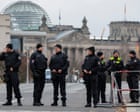
Geopolitics rarely offers moments of such naked, uncomfortable theater. As world leaders gathered for high-stakes coordination in Berlin, Polish Prime Minister Donald Tusk didn't bother hiding his contempt for Washington's latest diplomatic pivot. Faced with Donald Trump's beaming declaration that Vladimir Putin is his "friend," Tusk offered a sharp, desperate warning that exposes the deep fracture lines opening up beneath Western unity.
"God, protect us from such friends," Tusk quipped, capturing the raw anxiety currently gripping European capitals.
The Berlin Alarm and the Shadow of Trilateral Talks
While European defense chiefs and political leaders convened in Berlin to reinforce the "coalition of the willing" and map out long-term security guarantees for Ukraine, attention violently drifted eastward. Thousands of miles away at the APEC summit, Trump, Putin, and Chinese leader Xi Jinping sat down for an unprecedented trilateral meeting. For European leaders who have spent years bleeding capital and military stockpiles to back Kyiv, watching the US president flash broad smiles at Moscow's autocrat felt like a betrayal in slow motion.
Trump’s public embrace of Putin wasn't just a casual diplomatic gaffe. It signaled a profound realignment. When a superpower commander-in-chief openly categorizes an adversary actively tearing through European borders as a personal buddy, security architectures built over decades start to wobble. Tusk’s sarcastic outburst was born from a very real, terrifying question: If push comes to shove, who does Washington actually choose?
Why Europe's Defense Strategy Is Cracking
Europe's leadership is currently trapped in a multi-front nightmare. On one side, they face mounting economic fatigue, crumbling infrastructure in cities like Kyiv due to relentless winter strikes, and persistent manpower shortages. On the other side, they face an American administration increasingly bored with transatlantic obligations and eager to cut backroom deals over the heads of smaller sovereign states.
The fear in Berlin isn't just about optics. It's about substance. When major powers carve out spheres of influence, nations on the frontline—like Poland and the Baltic states—always pay the price. Tusk understands history well enough to know that bilateral deals struck between Washington, Moscow, and Beijing rarely factor in regional safety. They focus on grand bargains, nuclear arms pacing, and global trade, treating European security as a negotiable bargaining chip.
The Cost of Blind Optimism
Trump claimed after the Shenzhen summit that the trio discussed ending the war and that things are "happening". But vague rhetoric about peace from leaders who initiated or enabled the bloodshed provides zero comfort to a battered Ukraine or a paranoid Eastern Europe. Moscow's demands remain unchanged: an effective neutralization of NATO's eastern flank and total veto power over European defense frameworks.
When Washington entertains these demands under the guise of friendship and deal-making, the entire facade of Western deterrence crumbles. Europe is waking up to the harsh reality that security independence isn't a luxury project anymore—it's an existential survival requirement. Relying on an erratic American executive who treats international borders like reality TV ratings is a gamble no serious state can afford.
Europe must stop pretending that transatlantic solidarity is an unshakeable constant. Build domestic defense production, fund regional security independently, and stop waiting for Washington to save a continent it increasingly views as a secondary priority.



