A federal judge in New York just refused to release a man shot by immigration agents last month, and the ruling highlights a legal trap that catches plenty of families off guard.
When a father gets shot in the shoulder and neck while his 5-year-old son sits in the car, your instinct is to ask how he can possibly stay locked up in detention. That's what defense lawyers argued. Yet U.S. District Court Judge Hector Gonzalez denied the request to release Oscar Belgal from federal custody following the October 8, 2026 confrontation in New York City's Marble Hill neighborhood.
Here is the plain truth about what happened and why the court ruled that way. Even if agents used brutal force or botched warrant service, a habeas petition asking for release from immigration custody isn't a shortcut to winning an excessive-force claim or walking free before an immigration judge weighs bond. People mix up those legal tracks constantly. It's frustrating, and honestly, it leaves families feeling blindsided when a judge says "wrong venue" even after someone wakes up in a hospital with bullets in his body.
Why Denying Release After an ICE Shooting Turns on Procedure
To understand Judge Gonzalez's decision, you have to separate what happened on the street from what a federal district judge is actually allowed to decide on a detention petition. To get more context on this issue, extensive coverage is available at Reuters.
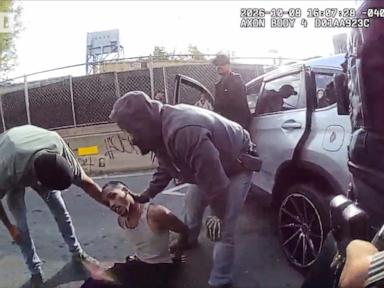
During the October 8 arrest in Marble Hill, federal officials said Belgal crashed into two government vehicles and accelerated toward officers, prompting agents to open fire because they feared for their lives. Belgal's lawyers at The Legal Aid Society pushed back hard. They said plainclothes agents ran up without identifying themselves, lacked a valid warrant, smashed a car window, and fired shots while his 5-year-old son was inside—leaving Belgal wounded in the shoulder and neck and unaware the men were ICE officers until he woke up in the hospital. His boy wasn't hurt.
Judge Gonzalez didn't rubber-stamp every government claim. According to reports on the ruling, the judge acknowledged officers may have made a procedural misstep when serving the arrest warrant, yet concluded that a technical flaw didn't compel release from federal custody. Nor did he agree that the warrant was invalid overall. Most importantly, he ruled that a petition seeking release from custody wasn't the proper place to litigate whether officers used excessive force during the arrest.
At the same time, the judge pointed out a real opening that people miss in headlines: Belgal can still ask immigration court for bond.
What Habeas Corpus Actually Tests in Immigration Cases
When someone is detained by Immigration and Customs Enforcement, lawyers often turn to federal court with a habeas corpus petition under 28 U.S.C. § 2241. Clients sometimes assume a habeas petition is a broad civil-rights trial where the judge grades every bad act by federal agents.
It isn't. A habeas challenge to immigration detention focuses on lawful custody—whether the government has legal authority to hold the person right now, whether the wrong detention statute is being applied, or whether detention has become unconstitutionally prolonged. An excessive-force claim belongs in a separate civil-rights or tort action, not inside a custody-release petition.
That distinction drives families crazy. You watch surveillance video of shattered glass and hear that a bullet stayed lodged in a man's neck for days after his hospital removal, and it feels cold to hear a court say "file that somewhere else." Still, federal judges enforce jurisdictional boundaries strictly. Mixing a custody challenge with a use-of-force complaint often slows down the exact relief a detainee needs most.
What Most People Get Wrong About Custody, Warrants, and Bond
Headlines around high-profile ICE shootings spark fierce debates—from calls by New York officials like Gov. Kathy Hochul and local leaders to curb or end ICE operations in neighborhoods and near schools, to federal enforcement messaging tied to operations like Operation Salvo targeting alleged gang activity and prior criminal allegations. Once politics takes over the feed, three myths tend to spread fast.
- Myth one: A warrant mistake automatically means instant release. Judges look closely at whether a defect violates core due process or simply amounts to a technical error that doesn't erase the government's statutory detention authority.
- Myth two: Excessive force automatically cancels immigration detention. Even severe allegations of unreasonable force don't automatically convert unlawful force into an order freeing someone from ICE custody in a habeas proceeding.
- Myth three: A federal judge's refusal to release ends every path out of detention. As Judge Gonzalez noted, immigration court remains a separate avenue where a detainee can pursue bond—assuming they aren't barred by statute or prior criminal history.
In real practice, I've seen families spend weeks pouring all their energy into arguing police misconduct in the wrong forum while missing deadlines or evidentiary prep for an immigration bond hearing. Fighting on two tracks at once takes discipline. You have to keep the custody argument crisp, present strong community and family ties for bond, and document medical records separately for accountability and injury claims.
How Bond Hearings Differ From Federal Court Rulings
Immigration judges work inside the Department of Justice's Executive Office for Immigration Review, whereas federal district judges sit in Article III courts. Immigration judges routinely evaluate flight risk and danger to the community when bond is available, though they generally don't rule on broad constitutional challenges to prolonged detention the way federal judges can.
Consider an illustrative example: suppose a detainee has a local partner, a young child in school, steady work history, and no serious disqualifying bar under immigration law. Even if a federal judge denies immediate habeas release on procedural grounds, a well-documented bond request in immigration court can still give that person a fighting shot—provided the government doesn't prove danger or flight risk and the statute allows bond.
The Bigger Picture in New York Enforcement Clashes
Belgal's case lands right in the middle of intense friction between federal immigration enforcement and New York officials and residents. Protests erupted in Marble Hill after the October shooting, local leaders condemned enforcement near school dismissal hours, and NYPD leadership stated city police weren't involved in the operation before shots were fired.
When enforcement happens in crowded urban neighborhoods with children nearby, tension spikes immediately. Credible reporting from outlets like the Associated Press and Newsday underscores how sharply accounts collide in these cases—agents pointing to perceived threats with vehicles, and defense counsel pointing to lack of warning, shattered glass, and severe wounds.
Yet courts decide cases on specific legal standards, not street-level outrage. Until investigations, civil claims, and immigration proceedings run their course, a person wounded during an arrest can remain behind bars while disputes over force, warrants, and immigration status play out across different venues.
Practical Next Steps If You or a Loved One Faces Detention
If your family is dealing with an ICE arrest, a contested shooting, or a denied release request, don't guess which court handles what. Take these concrete steps right away:
- Confirm the exact detention facility and statute. Locate where the person is being held, pull the custody paperwork (such as the Notice to Appear or custody determination), and ask counsel which detention provision ICE is invoking.
- Ask specifically about immigration court bond eligibility. Don't assume a federal detention ruling closes the door on bond; have an immigration attorney evaluate whether a bond motion makes sense and what evidence of community ties and safety you need.
- Separate medical and use-of-force records from the custody file. Gather hospital records, discharge notes, photos, witness names, and surveillance or video leads early so civil-rights and accountability claims aren't delayed or lost.
- Track parallel proceedings carefully. Keep a clear calendar for immigration court dates, bond requests, and any federal filings so one proceeding doesn't accidentally undermine another.



