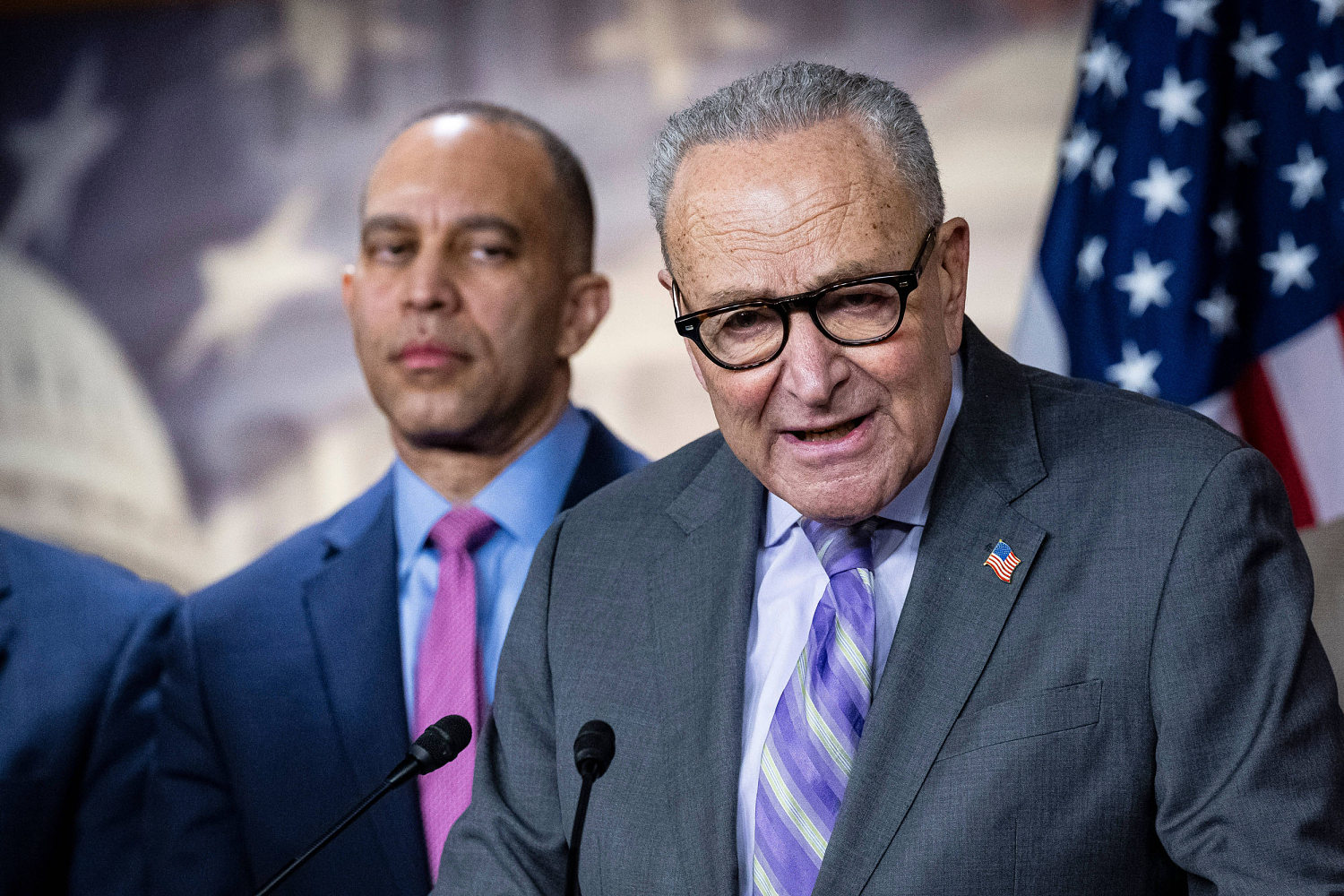
Winning changes the math on Capitol Hill, even when half your party wants a different kind of fighter. Following the November 2026 midterm elections, Democrats reclaimed control of both chambers of Congress, putting Rep. Hakeem Jeffries in line to become Speaker of the House and Sen. Chuck Schumer in position to return as Senate Majority Leader. Yet according to reporting from The Associated Press, CBS News, and The Hill, both New York Democrats are dealing with open dissatisfaction from incoming senators and progressive allies—while facing zero declared opponents on the ballot.
It's a classic Washington paradox. Complaining to reporters is free, whereas mounting an actual leadership coup requires months of whip counts, committee promises, and a willingness to burn bridges before a single bill hits the floor.
The Gap Between Public Gripes and Formal Challenges
If you only read cable news chyrons or activist newsletters, you might assume a full-scale mutiny is underway inside the Democratic caucuses. It isn't. As The Associated Press notes, even as newly elected Democrats voice frustration with the status quo, no candidate has formally stepped forward to run against either Jeffries or Schumer ahead of their internal leadership elections.
Why does that happen? Because in congressional politics, expressing skepticism is a low-risk way for incoming lawmakers to signal independence to their voters back home. Running for Speaker or Majority Leader is a completely different animal.
To unseat an entrenched leader right after a midterm wave, a challenger has to clear three brutal hurdles:
- The Victory Shield: Leaders who preside over a chamber flip get institutional credit. When your party wins back the House and Senate, arguing that the leadership team doesn't know how to win becomes a tough sell to moderates in swing districts.
- The Whip Count Reality: Secret-ballot caucus votes rarely match public posturing. Lawmakers who hesitate to endorse a leader in a local interview often vote to keep stability once they enter a closed-door caucus room.
- The Committee Leverage: Current leaders and their top lieutenants hold enormous sway over plum committee assignments, floor time, and campaign fundraising apparatus for the next cycle.
Honestly, most ambitious members can do basic arithmetic. If you can't get to 50 percent plus one in the caucus, launching a symbolic bid just guarantees you spend the next two years on the outside looking in.
What Critics Actually Want From Senate and House Leadership
The frustration aimed at Schumer and Jeffries isn't really about personal scandal or legislative incompetence. According to accounts in The Associated Press and The American Prospect, the tension centers on posture, generational change, and how aggressively Democrats plan to use their new majorities.
Pressure on Chuck Schumer in the Senate
In the Senate, pushback against Schumer has been louder and more public than anything facing Jeffries. The Associated Press reports that at least two incoming Democrats—Sen.-elect Abdul El-Sayed of Michigan and Sen.-elect Adam Hamilton of Kansas—declined to publicly commit their support to Schumer's bid for majority leader. Meanwhile, CBS News reported that Maryland Sen. Chris Van Hollen said he was in "listening mode" regarding a potential run, and The Hill noted that Schumer moved quickly behind closed doors to lock down commitments and outline his 2027 agenda to quiet the unrest.
Notice the distinction there. Being in "listening mode" or withholding an early endorsement isn't the same thing as filing a formal challenge. It's leverage. Incoming senators from populist or swing-state campaigns want assurances on foreign policy, campaign finance, and Senate rules before they hand over their votes.
Hakeem Jeffries and the House Caucus Dynamic
Over in the House, the dynamic looks noticeably different. While progressive critics and outside groups have argued that the moment demands a sharper, more confrontational style from party leadership, Jeffries enters the new Congress without a serious rival for the Speaker's gavel.
Part of that comes down to cohesion. House Democrats have spent the past several years rallying around Jeffries as a generational successor to Nancy Pelosi's leadership era, and reclaiming the House majority reinforces his standing inside the caucus. Unlike House Republicans—where The Associated Press reports Mike Johnson stepped aside ahead of a contested race between Rep. Steve Scalise and Rep. Jim Jordan—House Democrats have largely kept their tactical disagreements behind closed doors rather than turning the Speaker's race into a floor spectacle.
Why Voters and Pundits Misread Caucus Dissent
If you follow congressional politics closely, you see this pattern repeat every two years. People outside Washington tend to treat internal party criticism like a primary election, assuming that if enough voices complain, a challenger will automatically materialize.
That's not how caucus governance works.
In a general election, an outsider can raise money online, run viral ads, and bypass party gatekeepers entirely. Inside Congress, the electorate consists solely of your colleagues—people who work together every day, share fundraising targets, and care deeply about whether the trains run on time.
Even senators who disagree with Schumer on strategy or House members who want Jeffries to take a harder line on executive oversight know that a protracted leadership battle eats up valuable transition time. With government funding deadlines and early legislative priorities looming before January 2027, most members prefer extracting policy concessions quietly over blowing up the leadership table.
What to Watch Before the Leadership Votes
Rather than waiting for a surprise challenger who probably isn't coming, pay attention to the concessions both leaders make to keep their caucuses unified.
- Watch committee and caucus rules: When challengers don't materialize, dissent usually gets channeled into internal rule changes, subcommittee chairs, or steering committee seats for newer members.
- Track early legislative commitments: Look closely at what Schumer and Jeffries promise on oversight, Pentagon accountability, and domestic affordability bills during their closed-door caucus meetings.
- Separate public signaling from whip counts: Until a sitting member formally announces a bid and names public whip commitments, treat "listening mode" quotes and withheld endorsements as negotiating tactics rather than an active leadership race.



