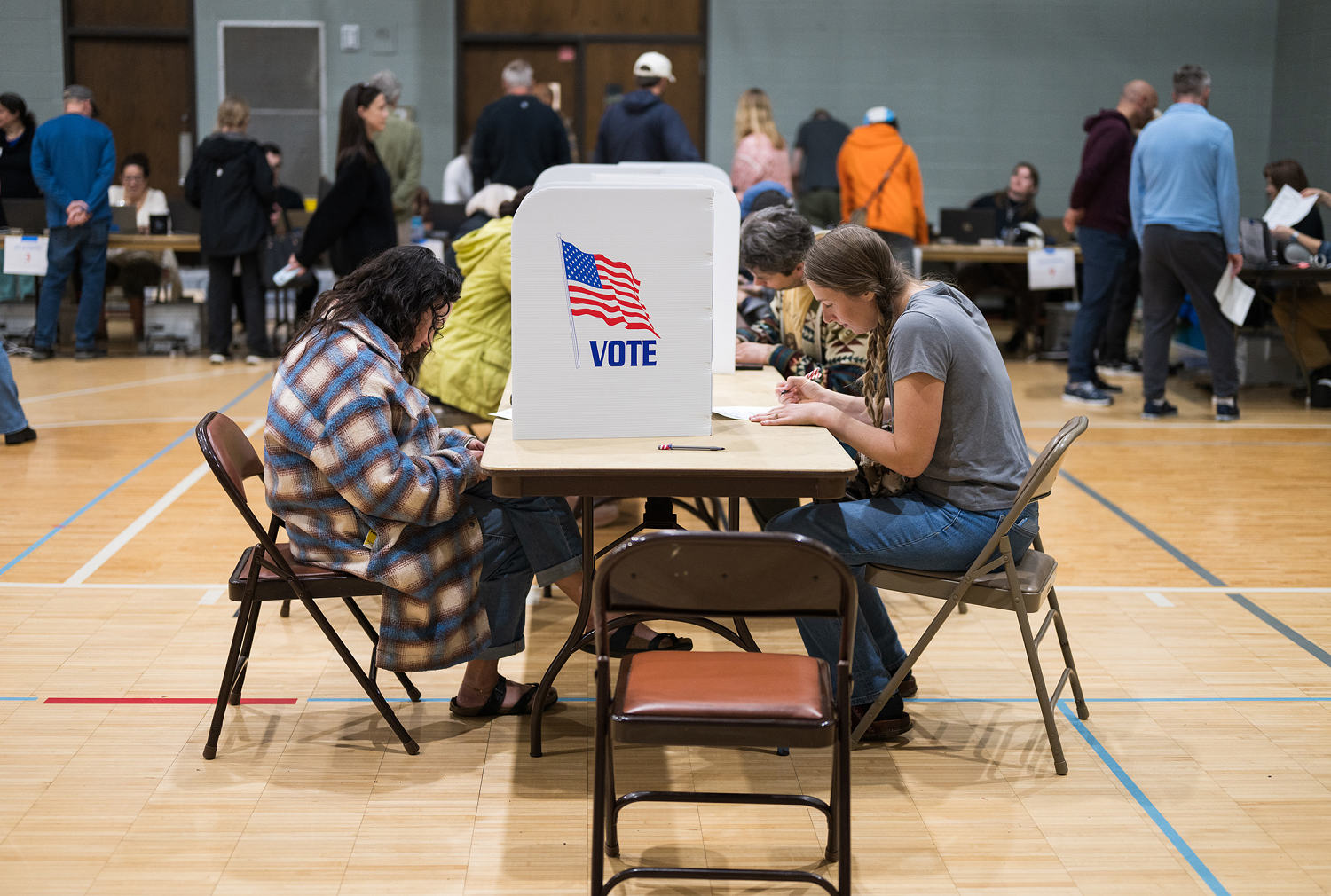
Local election workers across America didn't sign up to face criminal indictments just for doing their standard administrative jobs. Yet that's precisely the pressure cooker local officials stepped into as the Justice Department and federal agencies ramped up aggressive tactics right before the midterm elections. A federal judge finally drew a hard line, issuing a sweeping order that halts the Trump administration from threatening or intimidating poll workers with criminal prosecution over records retention and voter roll disputes.
If you've been following the chaotic run-up to the current elections, you know this intervention didn't happen in a vacuum. It comes on the heels of mounting pressure campaigns where federal prosecutors and immigration enforcement units targeted local offices to unearth unproven noncitizen voting conspiracies. Courts are saying enough is enough. But understanding why this judicial block matters requires looking past the daily headlines and examining how federal overreach directly threatens the plumbing of American democracy.
The Escalating Pressure Campaign on Local Offices
For months, state and county election directors have dealt with an unprecedented barrage of demands. Federal agencies started sub-poenaing voter records across at least thirteen states, heavily leaning on local offices to hunt down data that matches unverified fraud narratives.
The Department of Justice sent out threatening letters warning local officials of severe criminal penalties if they failed to comply with stringent, often shifting records retention interpretations. Let's be honest: these letters weren't routine oversight requests. They were calculated pressure tactics designed to keep local workers off balance. When you tell a county clerk managing a small budget and a skeleton crew that they might face a federal indictment for a paperwork discrepancy, you create a chilling effect. For further context on this development, extensive analysis is available at USA Today.
Many workers faced impossible choices. Comply with rapid-fire, extra-legal demands that strain local resources, or risk being hauled into high-stakes legal battles funded by federal coffers. Civil rights organizations and state attorneys quickly realized that left unchecked, this strategy would paralyze election administration entirely.
Why Federal Overreach Collides With State Authority
The American electoral system relies entirely on decentralization. County clerks, municipal boards, and bipartisan state commissions run elections, not Washington bureaucrats. Under the Tenth Amendment and federal statutes, local officials answer first to state laws and administrative codes, not arbitrary directives issued from political appointees in the executive branch.
When federal prosecutors try to commandeer local voter files or threaten criminal charges over routine administrative processes, they cross a bright constitutional line. Courts recognized this danger immediately. By blocking these intimidation tactics, the federal judiciary reasserted a fundamental principle: the executive branch cannot weaponize the criminal justice system to bully local servants into altering how elections are administered.
Civil groups filing suit pointed out that these maneuvers mirrored broader efforts to sow distrust in results before a single ballot was cast. When you cast doubt on the integrity of local officials by threatening them with handcuffs, you undermine public confidence in the outcome itself.
Protecting the People Who Make Elections Possible
Running an election is basically a massive logistics puzzle solved by dedicated public servants and community volunteers. They spend grueling hours verifying signatures, testing voting machines, and managing secure facilities. They aren't political operatives; they're your neighbors.
When federal agencies send armed personnel or issue intimidating warnings, they inject fear into an already stressful environment. That fear drives experienced workers out of the profession. We've already seen an exodus of veteran election administrators across the country due to harassment and threats. If the administration's tactics had gone unchecked, the institutional knowledge required to run secure, transparent elections would have eroded completely.
The recent court order provides a vital shield, giving local workers legal backing to push back against unlawful demands. It forces federal authorities to respect statutory boundaries rather than ruling by intimidation.
What Happens Next in the Midterm Aftermath
Stopping the threats via court order is a massive immediate win for election integrity, but the underlying tensions aren't going away overnight. Watch how federal agencies pivot their strategies now that direct criminal threats have been blocked. Civil rights watchdogs remain vigilant about potential attempts to deploy unauthorized personnel near polling places or continue data-gathering campaigns through alternative channels.
If you care about free and fair elections, keep your focus local. Support your county election boards, pay attention to municipal budget allocations for poll security, and push back against narratives that paint local workers as anything other than public servants doing a difficult job under immense scrutiny. Hold federal agencies accountable by demanding transparency when they overstep their constitutional bounds. The courts did their part by issuing the stop order; now it's up to voters and local leaders to protect the process moving forward.



