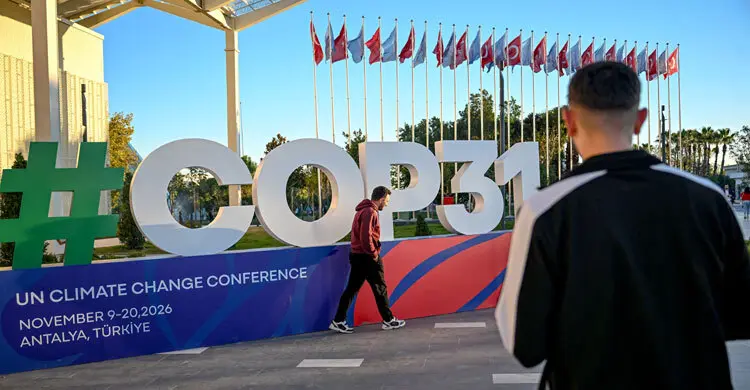
Two hundred nations missed their Friday deadline in Antalya, Türkiye, and nobody looked surprised. Negotiators had been circling the same four walls for two weeks, and when the clock ran out on November 20, the summit slid straight into overtime without a finished political deal.
If you've watched enough of these UN climate marathons, you already know the script. Late nights, exhausted delegates, angry speeches, and a draft text that gets watered down every time oil producers push back. Still, COP31 in Antalya felt sharper than usual. Fossil fuel language vanished from the Thursday draft. Adaptation money shrank. And the world's largest historical emitter wasn't even in the room for a second straight year.
Let's be honest about what happened on the ground. You can't write a serious climate plan when half the negotiators are fighting to keep coal, oil, and gas out of the wording while the other half are watching floods, heatwaves, and melting glaciers tear through their economies.
Why Negotiations Stalled on Fossil Fuels and Finance
The core split at COP31 wasn't subtle. An initial draft put forward by co-host and negotiation lead Australia pushed for a faster phase-out of fossil fuels. By Thursday evening, a slimmer draft dropped every mention of fossil fuels and replaced it with softer wording on transitioning toward low greenhouse gas emissions and climate-resilient development.
Major oil and gas producers—with Saudi Arabia singled out by summit insiders for playing a hard obstructive role—resisted explicit fossil fuel exit language, repeating a fight that has dogged UN talks since COP28 in 2023. For small island states and vulnerable nations, erasing those words wasn't a minor drafting tweak. Vanuatu's climate minister, Ralph Regenvanu, warned the text wasn't heading toward high ambition, while Panama's environment minister, Juan Carlos Navarro, went a step further and threatened to walk out rather than accept a cover document that ignores fossil fuels altogether.
Texas Tech climate scientist Katharine Hayhoe put the contradiction plainly: leaving fossil fuels out of a climate deal is like writing a plan to quit smoking without ever mentioning cigarettes.
Money made the deadlock worse. The Thursday draft dropped a proposed $120 billion adaptation finance target for poorer countries. In the halls, frustration boiled over. Ghana's environment minister, Zanetor Agyeman-Rawlings, captured the mood of many developing nations when she said, "We didn't come here to beg". Across the summit, civil society voices and delegates warned that rich countries were asking for ambition while holding back real financial backing.
What Most Coverage Misses About the Antalya Deadlock
Headline summaries usually stop at "nations can't agree." That misses the weird, messy reality of how COP31 actually operated from November 9 through overtime.
First, look at the split leadership structure. Türkiye hosted the summit in Antalya with Environment, Urbanization and Climate Change Minister Murat Kurum serving as COP President, while Australia's Minister for Climate Change and Energy, Chris Bowen, presided over negotiations as Vice-President and President of Negotiations. That arrangement grew out of a compromise after both countries campaigned to host and needed a consensus pick under UN rules. Having one country host and set the Action Agenda while another leads formal negotiations creates friction when political red lines collide in the final hours.
Second, look at the timing and geopolitical backdrop. The World Leaders' Summit happened on days three and four rather than right at the start. Meanwhile, the United States stayed away for a second year under President Donald Trump's withdrawal from climate cooperation. Add a wider oil price shock, fallout from the war involving Iran, and living-cost pressures at home, and many capitals entered Antalya distracted or defensive.
Third, there's a big gap between official plenary drama and practical side-room deals. While negotiators argued over draft paragraphs, Turkish startups and clean-tech firms at the Antalya exhibition floor were signing commercial leads—from narrow modular water tanks built for tight urban spaces to atmospheric water harvesters attracting interest across Asia, Africa, and Latin America. Diplomacy stalled in the plenary hall, even as practical hardware found buyers outside.
The 35x35 Electrification Pledge and Its Catch
The clearest new initiative tied to COP31 is the 35x35 pledge, backed by Türkiye's presidency and Australia. Its target is straightforward: lift electricity's share of global final energy consumption from roughly 23% today to 35% by 2035.
On paper, electrification makes sense. Heat pumps, electric vehicles, and electric industrial motors use energy far more efficiently than burning fuel directly. Even better, data from Ember's Global Electricity Review 2026 showed renewables reached 33.8% of global electricity generation in 2025, edging past coal at 33.0% for the first time in a century—though coal still supplies roughly a third of world power.
Here's the catch you shouldn't overlook. The 35x35 pledge is voluntary and non-binding, and it doesn't force countries to power that extra electricity with clean or renewable energy. A country can hit a higher share of electricity on paper while adding gas or coal plants on the grid. Analyses from the International Energy Agency and Climate Action Tracker show that hitting 35% requires accelerating electrification roughly fourfold and expanding power grids much faster than over the past decade. Without clean generation and grid buildouts, electrifying everything just shifts the smokestack from the factory or tailpipe to the power station.
Carbon Capture, Science Timelines, and Other Flashpoints
Fossil fuels and adaptation cash weren't the only things keeping delegates up past midnight. Several technical disputes carried real weight:
- Carbon capture and storage: Some countries pushed to expand carbon capture for power plants and heavy industry. Island states and critics pushed back hard, calling it expensive, slow to scale at climate-relevant levels, and an excuse to keep drilling.
- Climate science schedules: Disagreements surfaced over the timing of key Intergovernmental Panel on Climate Change (IPCC) reports needed to inform the Paris Agreement's global stocktake. Small island nations argued that delaying scientific assessments weakens accountability when warming is already projected to overshoot 1.5°C.
- Methane and nature links: Groups of countries pressed for faster cuts in methane—a potent short-term warming gas—alongside tighter coordination across climate, biodiversity, and land-degradation agreements.
In my experience following multilateral climate summits, the biggest mistake people make is treating a single COP text as the whole story. A weak cover decision slows momentum and hurts trust, especially when a UN report already warns the world is set to pass the 1.5°C Paris threshold. Yet real-world shifts often move through national laws, grid investments, and corporate procurement even when UN consensus drags. Look at the European Union's legally binding target enacted in 2026 to cut net greenhouse gas emissions by 90% by 2040 compared to 1990 levels—that kind of domestic statute shapes markets far more reliably than a compromise sentence at 3 a.m.
What Happens Next and Practical Steps You Can Take
Overtime talks in Antalya show how fragile global consensus remains. Even if negotiators salvage a third or fourth draft before packing up, the underlying tension between fossil fuel exporters, cash-strapped developing countries, and high-emitting economies isn't going away before COP32 in Addis Ababa in November 2027.
If you're tracking this story for policy, business, or personal planning, don't wait for a miraculous UN breakthrough:
- Track grid and permitting rules, not just summit headlines: If you work in energy, manufacturing, or infrastructure, watch grid interconnection queues, transmission spending, and industrial electricity pricing—those bottlenecks decide whether electrification actually happens.
- Audit both emissions scopes when electrifying: If you're advising a business or managing operations, model both direct fuel reductions and grid electricity emissions before switching equipment. Pair electrification with clean power contracts or on-site generation where grids remain carbon-heavy.
- Follow primary negotiating texts and science updates: Check official UNFCCC COP31 updates, UN News coverage, and International Energy Agency assessments to separate political spin from binding commitments and real energy data.
- Focus local resilience where you live: Whether you're in a flood-prone river basin, a heat-stressed city, or a coastal community, practical adaptation—water storage, cooling, drainage, and early warning systems—pays off regardless of what happens in plenary halls.



