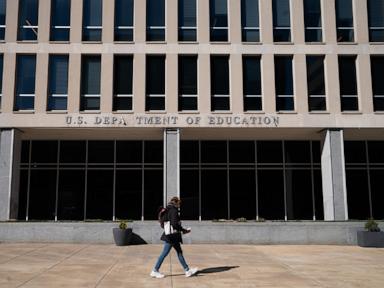
Washington is shifting gears again, and public education is sitting right in the crosshairs. With Democrats reclaiming control of the House in the recent midterms, Capitol Hill is preparing for a high-stakes legislative collision with the White House. President Donald Trump's administration has spent months systematically dismantling the U.S. Department of Education, scattering its core functions across other federal agencies. Democratic lawmakers are vowing to push back, using newly acquired committee gavels to launch investigations, hold oversight hearings, and attempt to force the administration's hand.
Don't expect miracles, though. The reality of divided government means congressional Democrats possess plenty of noise-making machinery, but their actual legislative tools are severely constrained.
The Limits of Oversight in a Divided Capital
When control of Congress flips, the immediate impulse on Capitol Hill is to launch subpoenas and investigate executive branch overreach. Lawmakers like Representative Bobby Scott and Senator Bernie Sanders—poised to take influential committee leadership roles—have plenty of targets. The administration’s controversial interagency agreements have already shifted key K-12 operations to the Labor Department, special education oversight to Health and Human Services, and civil rights enforcement over to the Department of Justice.
Democrats want those shifts undone. They plan to drag administration officials in front of cameras and question the legality of breaking apart an executive department piece by piece.
Here is the catch. Holding hearings doesn't rewrite policy. Trump still occupies the Oval Office for another two years, and any standalone bill designed to rebuild the Department of Education or reverse these interagency shuffles faces an automatic presidential veto. Unless Democrats can scrape together enough Republican defectors to override a veto—a near-impossible math problem in the current political climate—direct legislation is dead on arrival.
The Budget Battle Strategy
Realizing that direct bills won't survive a veto, Democratic strategists are eyeing the federal purse strings instead. The most viable strategy involves attaching policy riders to massive, must-pass federal spending bills.
Lawmakers are floating the idea of embedding language into upcoming appropriations packages that would explicitly defund or ban the interagency transfers. The logic is simple, if risky. Force the president to choose between signing a budget that undoes his structural reorganization or shutting down the federal government entirely.
It is a high-stakes gamble. Government shutdowns rarely poll well for whichever party is blamed, and using federal funding bills as a battering ram over administrative office locations can easily trigger a legislative standoff with no clear winner. Furthermore, even if Democrats manage to squeeze restrictions into a spending deal, implementation battles would immediately shift to the courts, leaving school districts caught in a prolonged legal limbo.
Where Bipartisanship Might Actually Survive
Not every education issue is a toxic partisan battlefield, even now. Behind closed doors, veteran lawmakers on both sides acknowledge that certain baseline policies need attention, particularly regarding federal grant programs and accountability frameworks under the Every Student Succeeds Act (ESSA).
Instead of rewriting major federal education laws from scratch—which risks watering down existing protections or sparking endless ideological amendments—some committee leaders favor strict oversight of current law enforcement. Making sure states actually follow federal guidelines on funding equity and civil rights doesn't require new legislation; it just requires persistent pressure from congressional offices.
At the same time, massive progressive wishlist items, such as tripling Title I funding or fully funding special education mandates under IDEA to the levels originally promised decades ago, face steep fiscal realities. Finding common ground on school funding while the White House prioritizes school choice expansion and deregulation is going to test the patience of every moderate in Congress.
What This Means for Teachers and Administrators
If you are running a local school district or standing in front of a classroom, Washington's latest political turf war won't change your day-to-day reality anytime soon. Curriculums, local tax levies, and state-level testing mandates remain under the control of governors and local school boards.
The battle in Washington matters structurally, but its immediate impact is more about federal grant oversight and civil rights enforcement than classroom instruction. Pay attention to how federal courts handle the legality of moving education offices into the Justice and Labor departments. That is where this fight will actually be won or lost, long before any compromise gets hammered out on Capitol Hill.



