Air traffic safety rules are written in blood. It shouldn't take a catastrophe for lawmakers to mandate basic technology, but that is the reality of aviation reform in Washington.
Months after the horrific midair collision near Washington, D.C., that killed 67 people, federal lawmakers have finally reached an agreement requiring civilian aircraft to carry advanced locator systems. Senators Ted Cruz and Maria Cantwell announced the breakthrough arrangement following immense pressure from victims' families and safety advocates.
The pushback and political foot-dragging leading up to this point have been frustrating to watch. If you fly commercial or private, you expect the skies to have baseline safeguards preventing two aircraft from occupying the exact same patch of air. Yet, bureaucratic inertia kept vital collision-avoidance mandates stalled.
The Tragic Catalyst
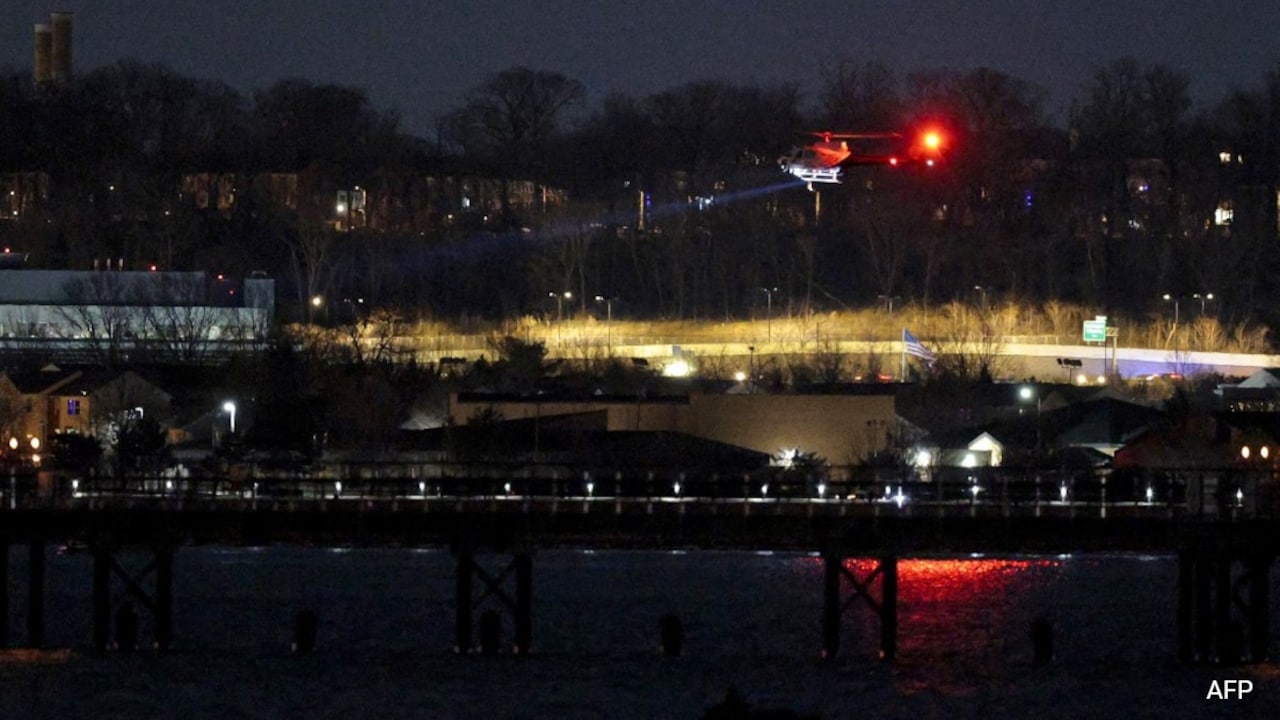
On January 29, 2025, an American Airlines passenger jet collided with an Army Black Hawk helicopter near Washington Reagan National Airport. Everyone on board both aircraft perished. It marked the deadliest plane crash on U.S. soil since 2001, instantly laying bare the dangerous blind spots plaguing busy civilian-military shared airspaces. Related coverage on the subject has been provided by Al Jazeera.
Families of the victims didn't grieve quietly. They organized, lobbied, and demanded accountability on Capitol Hill. They pointed out an obvious truth that aviation experts had argued for years: pilots cannot dodge what they cannot visually track in real time.
For months, progress stalled in Congress. Competing legislative proposals clashed over costs, implementation timelines, and exemptions. A previous House bill failed to clear a critical vote, bogged down by intense lobbying from groups worried about the financial and operational burden of outfitting fleets with ADS-B In and related cockpit situational awareness tools.
What the New Mandate Changes
The newly agreed-upon framework forces commercial airliners and other civilian planes to integrate systems giving pilots direct, precise data on surrounding traffic. Instead of relying on legacy transponders or basic alerts that only signal generic nearby presence, modern locator technology provides granular details on position and movement trajectories.
Industry pushback often centers on equipment costs and cockpit retrofitting. But aviation engineers have repeatedly clarified that modern safety suites don't require tearing apart an entire flight deck. They are designed to plug into existing architectures, feeding pilots immediate audible and visual cues when a collision vector develops.
Even with this congressional agreement, critical hurdles remain. Lawmakers still need to iron out exact provisions governing military aircraft integration. Shared airspace means military choppers and commercial jets operate in the same corridors. Leaving the military out of a universal tracking mandate leaves a gaping hole in national airspace safety.
National Transportation Safety Board (NTSB) leadership and union heads have been vocal: shared airspace demands shared visibility. Capt. Jason Ambrosi of the Air Line Pilots Association put it bluntly, stating that everyone sharing the sky must be visible without exception.
What Happens Next for Air Travel
Rules on paper don't automatically translate to safer skies overnight. Implementation timelines will dictate how fast airlines and private operators can procure and install the required hardware. Regulatory agencies like the Federal Aviation Administration (FAA) face heightened scrutiny to ensure compliance and close remaining loopholes.
If you are a frequent flyer, this mandate represents a long-overdue step toward modernizing a crowded national airspace. The technology has existed for years. Now, the legal obligation finally matches the technical capability.
Keep an eye on how the final legislative text addresses military coordination and compliance deadlines. Safety upgrades only work when they apply to every single aircraft sharing our skies.