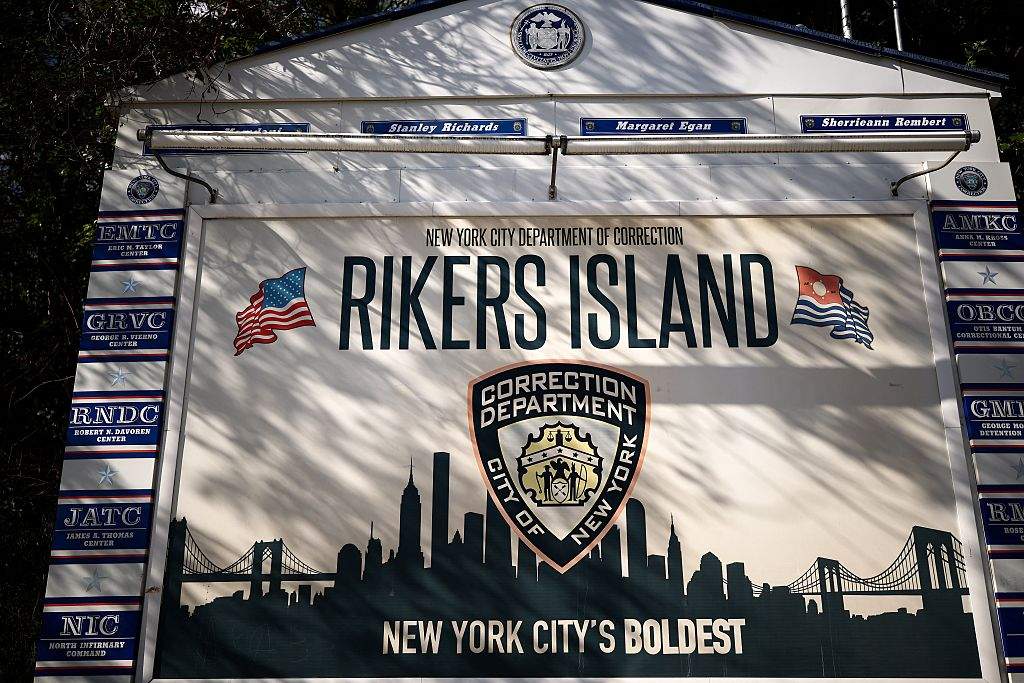
Mayor Zohran Mamdani announced a new roadmap on November 20, 2026 to shut down Rikers Island, pushing full closure to December 31, 2032 instead of the legal August 2027 deadline set back in 2019. If you've been following New York City politics, that headline hits like a gut punch paired with a sigh of relief. Someone finally put real dates, a $146 million service investment, and a concrete population cap on paper. Yet five extra years is no small slip, especially when thousands of people are still living behind razor wire in a complex under federal court-ordered oversight.
Let's be honest about what happened here. A 2027 closure was already looking shaky due to construction delays, pandemic court backlogs, and a jail population that refused to drop low enough on its own. Rather than pretend the city could magically finish four brand-new borough jails in months, Mamdani's administration laid out a phased schedule stretching into the early 2030s. Whether that extension buys smart execution or gives skeptics another reason to doubt the whole project is the real story New Yorkers need to watch.
How Rikers Island Closing Actually Works Now
People hear "we're closing Rikers" and picture padlocks snapping shut on every gate next summer. That isn't how this works. Under the plan unveiled alongside Department of Correction Commissioner Stanley Richards, the city is shifting from an island mega-complex to four smaller borough-based jails designed to hold roughly 4,100 people total—cutting the jail population by roughly 40%.
The rollout has a clear sequence: More analysis by Associated Press highlights related perspectives on this issue.
- Brooklyn is slated to open first in 2029, paired with an interim citywide jail population cap of no more than 5,500 people.
- The Bronx and Queens follow in 2031.
- Manhattan wraps up the borough openings in 2032, setting up full closure by December 31, 2032.
Alongside those buildings, the blueprint includes $146 million in investments for expanded mental health care, educational and job training programs, and therapeutic beds at city hospitals and health facilities—plus diverting more women into community-based programs. In June 2026, the administration also closed the vacant 1932 North Infirmary Command and transferred it, along with large portions of two other facilities, to the Department of Citywide Administrative Services.
Here's the catch most quick headlines gloss over. Pushing the deadline from August 2027 to December 2032 requires New York City Council approval. City Council Speaker Julie Menin voiced support at the announcement, saying years of delay mean the city needs to get back on track. Still, amending a 2019 mandate that lawmakers fought hard to pass won't be a rubber stamp.
Why Five More Years Is Both Pragmatic and Risky
From years of watching big-city infrastructure and justice reforms stall out, I've learned that unrealistic deadlines don't create urgency—they create excuses. Building four urban jails, shrinking headcounts, and fixing court bottlenecks at the same time is an enormous operational puzzle. Admitting the August 2027 target won't be met is at least candid about where construction and population numbers stand.
At the same time, five more years carries real danger. Conditions at Rikers have drawn national outrage for decades, from violence and staffing shortages to prolonged pretrial detention. The case of Kalief Browder—held for three years awaiting trial as a teenager, including nearly two years in solitary confinement, before charges were dropped and he later died by suicide at 22—remains a haunting reminder of what happens when bureaucracy drags on.
Every year a jail complex stays open under crisis conditions is another year of human cost and ongoing federal oversight.
👉 See also: death notices michigan macomb
Critics of shrinking the jail population also raise a sharp counterargument that shouldn't be brushed aside: some worry that reducing detention numbers too aggressively could put people accused of serious offenses back on the streets. Mamdani pushed back by pointing to New York's steep drop in homicides since the 1990s and arguing that heavy detention doesn't automatically equal public safety. That debate isn't going away anytime soon, and it sits right at the center of whether this plan survives political pushback.
What Makes This Blueprint Different From Past Promises
New York has had no shortage of speeches about fixing Rikers. What stands out in this rollout is the combination of leadership, health infrastructure, and land reuse.
Commissioner Stanley Richards brings lived experience inside the system alongside correction leadership, which shapes how the administration talks about staffing, data, and accountability. Meanwhile, shifting medically and psychiatrically vulnerable detainees toward hospital-affiliated and therapeutic settings—such as the 104-bed Outposted Therapeutic Housing Unit at Bellevue Hospital and planned beds at Woodhull and North Central Bronx hospitals—recognizes that a standard jail cell is the wrong place for acute medical or psychiatric care.
And then there's the island itself. The plan points toward future reuse of Rikers Island, including exploring near-term renewable energy and sustainability projects. Turning a notorious penal island into something clean and productive sounds great on paper, though environmental and logistical realities on an East River island near LaGuardia Airport will test every bit of city planning muscle.
What You Should Watch Next
If you care about public safety, municipal budgets, or criminal justice reform in New York, don't tune out until 2032. The real test happens in the next 12 to 24 months.
- Track the City Council vote and timeline amendment. Watch how lawmakers negotiate the shift from the 2027 legal mandate to the proposed December 2032 endpoint and what conditions they attach.
- Watch the interim jail population numbers. Reaching around 5,500 detainees by 2029 and roughly 4,100 long-term requires real movement on case processing, bail, and diversion—not just hope.
- Read the quarterly progress updates. The administration committed to regular quarterly reporting, which will show whether construction milestones, hospital bed rollouts, and oversight reforms are actually moving on schedule.
- Follow federal court oversight and reuse plans. Keep an eye on federal monitor assessments and early land-transfer steps to see if accountability stays tight while Rikers winds down.
If you're signed out right now, signing in to a Google Account makes it easy to save this thread and come back as the City Council debates the new timeline. A 2032 finish line gives New York room to build properly, but only if every single year between now and then produces measurable proof instead of another delay.



