Climate Talks Collapse Without a Deal in Antalya
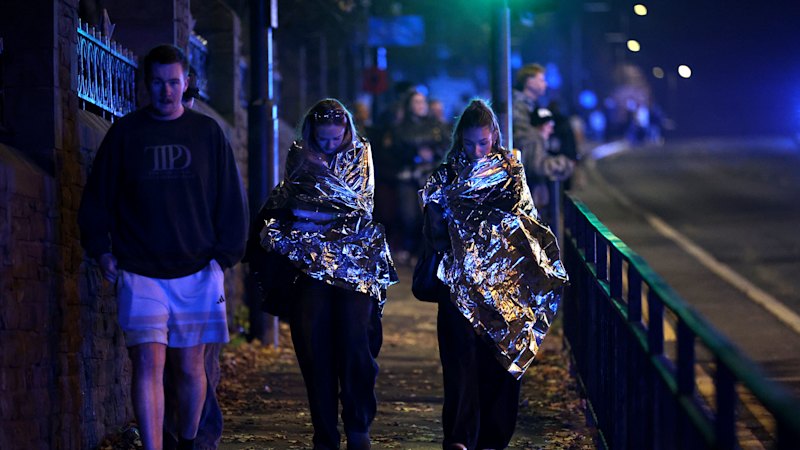
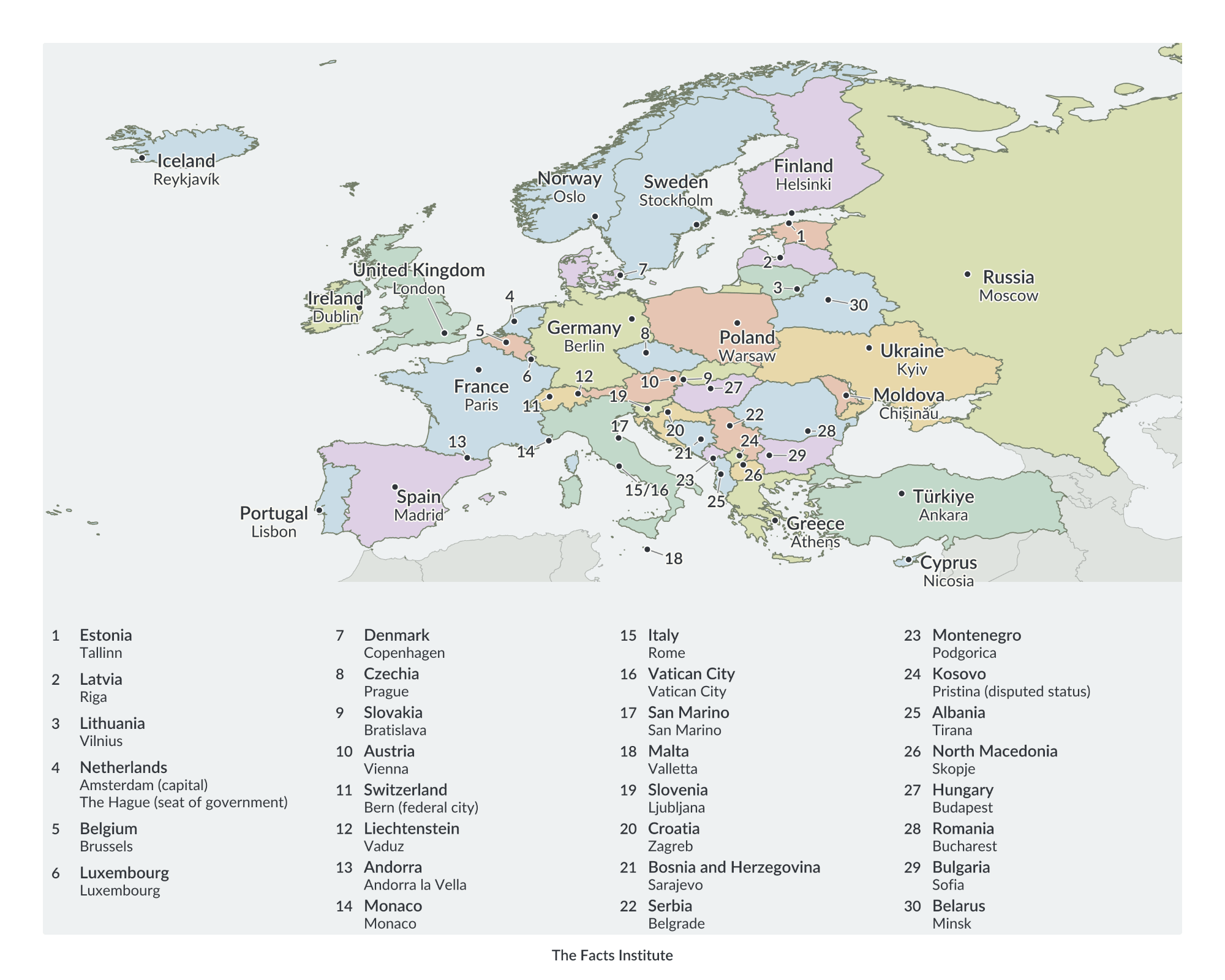
Almost two hundred countries spent two weeks arguing in Antalya, Türkiye, and walked away on November 22, 2026, without an overarching climate pact. Talks overran by more than two days past the scheduled November 20 finish. COP31 President and Turkish Environment Minister Murat Kurum brought the marathon plenary to a close after negotiations chair Chris Bowen, Australia's climate minister, admitted he couldn't cross "unbridgeable red lines."
This wasn't just another tense overtime finish where exhausted diplomats rubber-stamp a watered-down compromise at dawn. It was the first time a UN climate summit ended without an overarching cover agreement since COP15 in Copenhagen back in 2009. For anyone watching global climate diplomacy, the failure of climate talks at COP31 feels like a gut punch—and honestly, a long-overdue reality check about how broken consensus-based negotiating has become.
People searching about the Antalya breakdown usually want three things straight away: what actually killed the deal, why voices like Climate Action Network's Tasneem Essop called it the worst COP ever, and whether the collapse means the Paris Agreement or existing climate pledges just evaporated.
The short answer is no—prior obligations haven't been legally erased. Delegates still managed to adopt separate decisions on the Adaptation Fund, the Global Goal on Adaptation, and a "just transition" framework (with operational details pushed to 2027). Yet the centerpiece political deal—the proposed Antalya Pact—imploded over fossil fuel language, carbon capture disputes, electrification targets, and a vanished $120 billion finance goal that developing nations had pushed for.
Why the Antalya Pact Came Apart at the Seams
If you've followed enough UN climate summits, you know the script: draft text leaks at midnight, tempers flare, and someone calls a late-night huddle. At COP31, though, the fault lines ran deeper than usual because two opposing frustrations collided head-on.
On one side, the European Union and several other delegations refused to back a pact that omitted clear language on fossil fuels. A late attempt to slip in a veiled nod toward phasing out fossil fuels wasn't enough to rescue the draft, especially when the text leaned heavily toward carbon capture—a technology backed by fossil fuel producers that critics argue is expensive and unproven at the scale required to cut emissions quickly. Co-hosts Türkiye and Australia floated a global electrification goal to replace direct fossil fuel burning in transport and heating, yet that target got torpedoed too.
On the other side, developing countries and climate justice advocates watched vital finance commitments slip out of reach. Developing nations had pressed for a $120 billion climate finance target that disappeared from the failed text. Speaking after the collapse, Climate Action Network International executive director Tasneem Essop condemned developed nations for blocking finance measures needed to protect vulnerable people, calling it the worst COP ever and accusing wealthy governments of hypocrisy.
Meanwhile, UN Secretary-General António Guterres struck a sobering chord. While expressing deep disappointment over the lack of consensus, he stressed that diplomatic gridlock doesn't alter physical reality: temperatures keep breaking records, extreme weather is hitting harder, and waiting makes every fix costlier. UN climate chief Simon Stiell put it plainly too, warning that the world can't afford repeats of a summit that fell short.
Carbon Capture vs. Fossil Fuel Phaseout
One of the sharpest clashes in Antalya centered on how countries talk about cutting emissions. Carbon capture and storage has long been a lightning rod at UN climate meetings. Supporters—including oil- and gas-producing nations and negotiators like Saudi Arabia's Mohammad Ayoub speaking for the Arab Group, who argued that tackling climate change requires keeping all solutions on the table—view carbon capture and broader tech options as essential pathways.
Critics see it differently. Many climate scientists, civil society groups, and negotiators worry that leaning too heavily on carbon capture delays real reductions in coal, oil, and gas while shifting costs and risks onto the public. When a draft agreement highlights technological fixes without firm fossil fuel commitments or strong financial backing for frontline communities, trust breaks down fast.
The Consensus Trap in UN Diplomacy
Here is the uncomfortable truth about the UN Framework Convention on Climate Change (UNFCCC) process: consensus gives almost every bloc a veto. When nearly 200 nations must agree on every line of a political text, ambition gets pulled toward the lowest common denominator—or the whole thing stalls out completely.
Even former US Vice President Al Gore weighed in on social media, saying the COP process needs major reform while noting most countries tried to move forward in good faith. Belgian climate minister Jean-Luc Crucke struck a balanced note after the gavel fell, arguing that rejecting a weak deal takes courage and doesn't spell the end of multilateralism, even if the outcome hurt.
Still, I think pretending the current COP format works smoothly is wishful thinking. Hosting mega-summits with tens of thousands of attendees, endless side rooms, and two-day overtime marathons creates massive theater, yet real-world clean energy deployment often moves faster through industrial policy, falling solar and battery costs, and regional coalitions than through 3:00 a.m. wordsmithing.
What Changed—and What Didn't—After COP31
A chaotic ending makes dramatic headlines, sometimes too dramatic. Let's separate rumor from reality so you don't get tripped up by bad takes.
- Myth: COP31's failure cancels the Paris Agreement. Not true. The Paris Agreement remains in force, and countries still have national pledges and prior UN decisions on the books.
- Myth: Nothing at all was agreed in Antalya. Not quite. Alongside the Adaptation Fund and Global Goal on Adaptation decisions, countries reached a just transition decision aimed at protecting workers and communities moving away from high-carbon industries, leaving implementation details for 2027.
- Myth: Developing nations got the $120 billion target they asked for. No—that target vanished from the failed cover pact, which is a major source of anger for climate-vulnerable countries.
- Myth: Diplomacy is completely dead. Talks are already looking ahead to Addis Ababa in 2027, and governments, cities, and businesses are increasingly pursuing parallel tracks outside the annual COP circus.
Why Frontline Countries Feel Betrayed
If you sit in a coastal community, a drought-hit farming district, or a heat-stressed city, negotiating jargon means very little. What matters is whether money actually shows up to build seawalls, upgrade grids, insure crops, and help people recover when disaster strikes.
That is why the gap between rich and poor nations hurts so much at summits like COP31. Countries that contributed a tiny fraction of historical emissions often pay the steepest price in lost lives, damaged infrastructure, and stalled development. When finance targets fade while fossil fuel tensions stall the main deal, frustration isn't just political—it's personal.
What This Means for India and Emerging Economies
For countries like India and other fast-growing economies, the Antalya deadlock highlights a delicate balancing act. Developing nations need affordable, reliable energy to grow and lift living standards, while also scaling up solar, wind, storage, and grid modernization at breakneck speed.
When wealthy nations fight over text wording without delivering predictable, grant-heavy or low-cost climate finance, emerging economies have every reason to be skeptical of lectures from abroad. Practical domestic wins—cheaper renewables, better air quality, stronger disaster resilience, and domestic green manufacturing—often deliver faster, more tangible benefits than waiting on slow multilateral consensus.
Practical Next Steps After the Antalya Collapse
You don't need a UN accreditation badge to respond smartly to what happened in Antalya. Whether you follow policy for work, run a business, or just care about where things go next, a few practical steps can keep you grounded.
- Track actual implementation, not just plenary drama. Watch real-world indicators—renewable capacity additions, grid investments, adaptation funding flows, and national policy rollouts—rather than judging everything by whether a final summit declaration passes.
- Follow the 2027 workstreams. Keep an eye on how the just transition mechanism details and next steps toward Addis Ababa in 2027 take shape, especially around adaptation finance and mitigation discussions.
- Separate tech hype from measurable emissions cuts. Whenever you hear promises about carbon capture, hydrogen, or electrification targets, look closely at timelines, costs, and hard numbers instead of slogans.
- Push local and corporate action where rules have teeth. Municipal resilience plans, state-level energy rules, and supply-chain procurement standards often move faster than global treaties.
Where This Leaves Climate Diplomacy Now
The collapse of climate talks in Antalya didn't create the climate crisis, nor did it erase the science driving it. It simply exposed how hard it is to force consensus across rival economic interests when the stakes keep rising.
Watch what governments and markets do over the next twelve months—because actions outside the negotiating hall will tell the real story of whether COP31 was a turning point or just another painful detour.
Climate talks collapse in chaotic end to COP31 covers the chaotic conclusion of COP31 in Antalya after negotiations overran and failed to produce a deal.