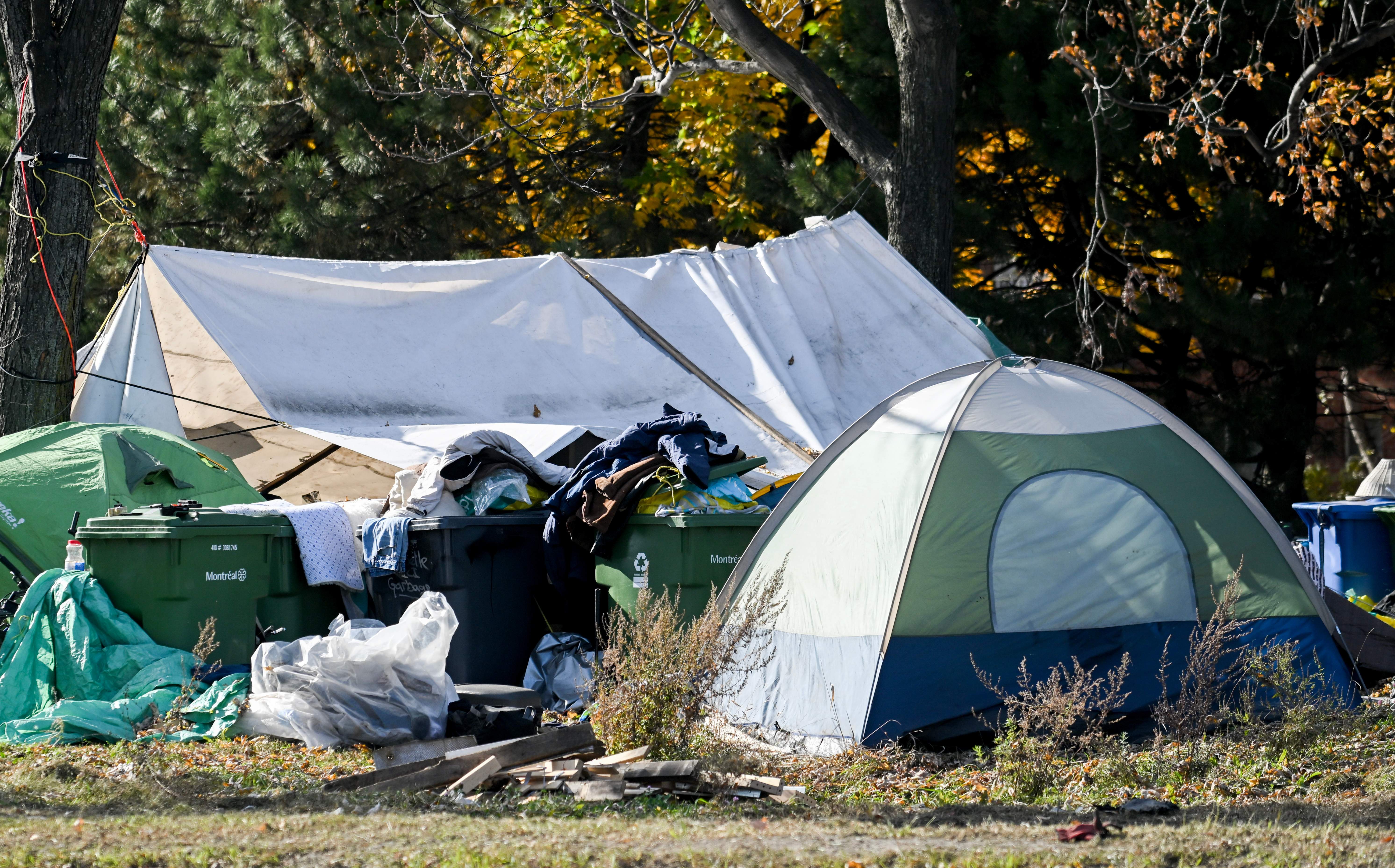
Tents don't just appear in public parks by accident. They represent a systemic failure of housing policy, social safety nets, and local crisis management. When the City of Regina moved in to dismantle the encampment at Core Community Park, locally known as Pepsi Park, municipal officials claimed fire safety concerns forced their hand. But bulldozing a camp where roughly 150 people had lived for three and a half months—without any prior warning—reveals a deep breakdown in municipal communication and housing strategy.
The Reality on the Ground When Encampments Are Cleared
Imagine coming back to the spot you have called home for over three seasons, only to find police tape, chain-link fences, and city crews loading your life into garbage bags. That was the harsh reality for residents like Natalie, who arrived to find her tent and belongings entirely gone. Community organizers and even city councillors like Shanon Zachidniak were caught completely off guard, learning about the operation only after it had already begun.
This surprise raid approach creates chaos. When city crews clear a site without notice, vulnerable people lose critical survival items, personal keepsakes, and essential medications like insulin. Trust between municipal authorities and community advocates evaporates instantly.
Fire safety is a legitimate issue in cold-weather tent communities. Crowded setups, makeshift heating units, and candles present severe hazards. Regina fire officials pointed to an uptick in fires and a high-risk safety assessment conducted over the weekend as the main triggers for the sudden teardown. Yet, ignoring the root cause—the chronic lack of affordable, low-barrier emergency housing—ensures that displaced individuals will simply pitch their tents somewhere else in the city by nightfall.
The Policy Disconnect and Broken Promises
Last November, Regina city council approved changes to its official encampment response strategy. The updated approach promised a heavy reliance on care teams and human-centered support rather than swift, enforced police removals. Fast forward to the sudden dismantling of Core Community Park, and that strategy feels like empty rhetoric.
Mayor Chad Bachynski noted that the city had been working with the provincial government to establish a triage or transitional space. But the timing exposes the fatal flaw in municipal planning: removing the visible symptom before the alternative solution is built and operational leaves human beings out in the cold.
Community organizer Shawn Koch put it bluntly when speaking to reporters: this problem isn't going away just because city officials refuse to look at it. Sweeping people out of a park doesn't house them. It just scatters them into darker, more dangerous corners of the city where outreach workers cannot find them.
What Real Solutions Require Moving Forward
Municipalities across Canada keep repeating the same cycle. They allow an encampment to grow, ignore it until tensions peak, cite safety violations, and execute a sudden clearance. Then they act surprised when the community reacts with anger and distrust.
Real progress demands a completely different playbook.
- Establish Safe Transitional Spaces First: Never dismantle an existing site until a functional, low-barrier indoor alternative is fully open and ready for occupants.
- Provide Guaranteed Storage for Personal Belongings: Forced evictions must include secure inventory and storage protocols so residents don't lose vital IDs, medications, and winter gear.
- Keep Communication Lines Open: Shutting out local organizers and elected councillors guarantees public backlash and panics the population most in need of stability.
Cold weather is coming to Saskatchewan. Displacing 150 people without a roof over their heads doesn't solve a public safety crisis; it just deepens a humanitarian one.