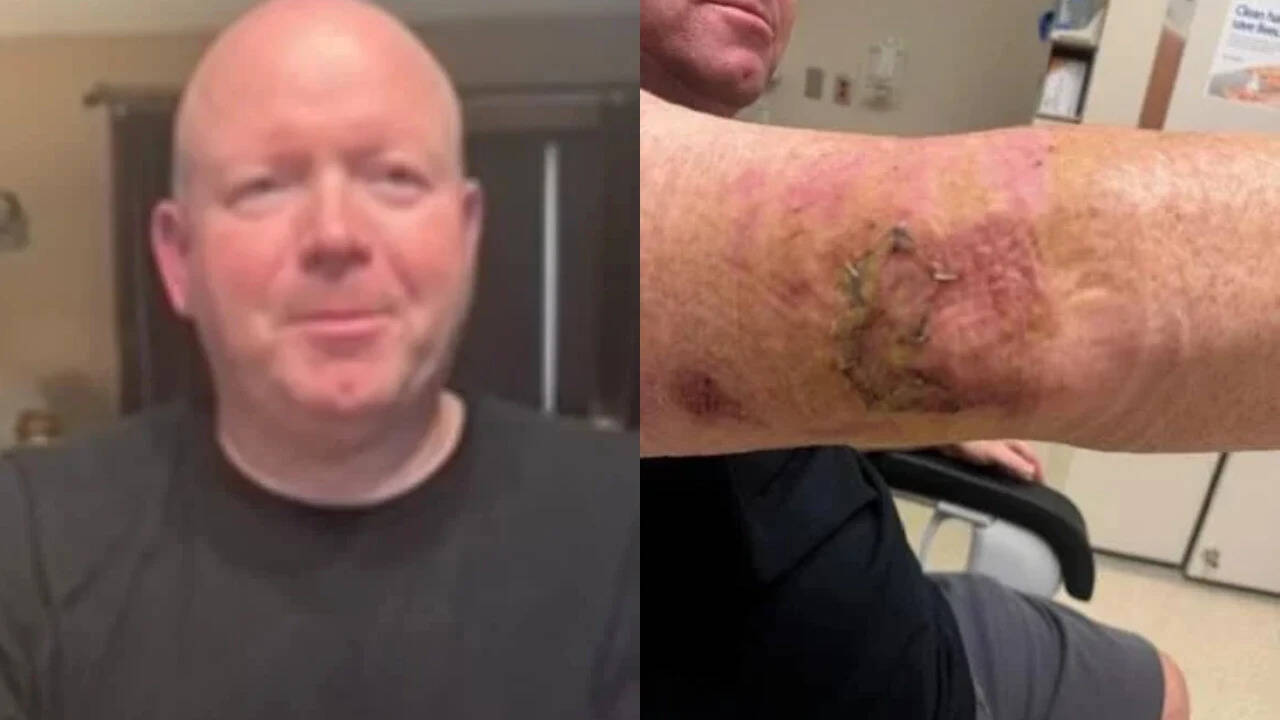
One wrong turn on a golf cart changed two families forever. On Sunday morning, June 14, 2026, Chris Preble of Kearney, Nebraska, and his wife—also named Chris—were riding around Patterson Harbor campground at Harlan County Lake after spending the weekend catching up with friends. Instead of heading straight toward the marina to pay their bill, Chris Preble turned right for a quick ride. Fifty or sixty feet down the road, flames were shooting from the open doorway of a fifth-wheel camper and rising above the roof. Five months later, that split-second decision earned him selection as Nebraska's 2026 citizen hero for the 16th annual Heroes Game between the Nebraska Cornhuskers and the Iowa Hawkeyes at Kinnick Stadium in Iowa City on November 27, 2026.
Most news roundups treat this story like a neat feel-good wrap-up. A guy sees a fire, saves a stranger, heals up, and gets a halftime wave at a college rivalry game. Honestly, that's way too tidy. When you look closer at what happened inside that fifth-wheel camper, the brutal reality of burn recovery, and what the Heroes Game actually represents alongside Iowa's honoree—fifth-grade teacher Hannah Jorgensen, who lost her life trying to rescue a student during a field trip at MacBride Nature Recreation Area—the story hits a lot harder.
How a Routine Campground Morning Turned Into a Smoke-Filled Trap
Inside the camper was Judy Erickson, getting breakfast ready ahead of a family gathering. As Preble later recounted in his own words for the University of Nebraska athletics site, she had set a gas stove burner to a low flame and placed a plastic cutting board over it before stepping away. Once heat hit that plastic and smoke started billowing, things went sideways fast. She tried getting out through a sliding glass door, burned her hand in the process, and couldn't get it open while thick black smoke choked the cabin.
Outside, Judy's husband, Mike Erickson, was there as the fire grew, and Judy's voice came from inside. Preble had zero formal firefighting training. He didn't know who was in there or how fast the roof or walls might fail. Still, he jumped off the golf cart and went in.
Here's what people who haven't been inside a burning structure usually miss. Smoke doesn't just sting your eyes; it erases your sense of space in seconds. Preble knew fifth-wheel campers well enough to have a rough mental map. Flames were on the left side of the doorway, so he ducked down to his right toward where he heard Judy's voice, heading up a couple of steps toward the bedroom area. Near the floor, there was a sliver of visibility. He squatted down, reached out blindly, felt her torso, grabbed her, and started backing out.
Then he forgot about those two steps. He fell down with Judy right into the heat and flames, losing a brief stretch of memory before getting back up and dragging her down the steps to roughly ten feet outside the camper. Once outside, Preble realized his own clothes and skin were burning. Melted fiberglass and plastic from the RV had dripped onto him. His wife pulled off his shirt by instinct, and he dropped and rolled while other campers pitched in to knock down the fire before emergency crews arrived.
Why RV and Camper Fires Escalate So Fast
Camping feels laid-back until something catches fire in a tight space. Campers and fifth-wheels pack a lot of synthetic materials—fiberglass shells, vinyl trim, foam cushions, plastic fixtures—into a small footprint. When plastic or synthetic materials melt and burn, they produce heavy black smoke and burning drips that stick to skin and clothing.
Even a small stove mistake can turn into a life-or-death situation in minutes. Leaving a plastic item on or near an active burner is a classic household slip-up, yet inside a compact RV with limited exits, smoke fills the room rapidly and heat can make door handles or latches painful or impossible to grab. Preble's burns—spanning first-, second-, and third-degree injuries across his head, back, arm, and foot, including two severe spots on his right arm and the bottom of his right foot after losing a shoe during his fall—show just how unforgiving those conditions are, even for someone acting with sheer urgency.
The Brutal Reality of Burn Recovery After the Headlines Fade
Running into danger gets the spotlight. The months afterward are where real endurance shows up.
Both Preble and Judy Erickson were taken to the burn center in Lincoln for treatment of burns and smoke inhalation. Preble went home the next day and even worked remotely using his left arm while a coworker was away on family vacation, which sounds almost superhuman until you hear what daily care actually looked like. For roughly four weeks, he and his wife spent about an hour and a half twice a day cleaning, treating, and re-bandaging his wounds. Even a light touch with a washcloth on the back of his head could bring him to tears.
On July 9, 2026, Preble underwent skin graft surgery on two spots on his right arm. Over the first couple of months, he and his wife made around eight or nine trips back to the burn center. By November, he estimated he was roughly 99 percent healed, back to working and playing golf, though still dealing with lingering issues near his right elbow.
Notice who carried a massive invisible weight through all of that. Preble has said openly that recovery was probably hardest on his wife, Chris, who watched him disappear into smoke, fall, and catch fire, and then helped manage painful wound care twice a day. That kind of toll rarely makes a punchy headline, yet it's half the story of surviving a severe burn injury.
What the Nebraska-Iowa Heroes Game Honor Actually Means
Every year during the Nebraska-Iowa football matchup—now in its 16th edition—the two programs recognize citizen heroes from each state, inscribing their names on the Heroes Game trophy and bringing them onto the field at halftime. As reported by local outlets including News Channel Nebraska and the Kearney Hub, Preble was nominated by multiple people close to the story, including his wife, his brother, and Judy Erickson herself.
What makes this year's ceremony especially poignant is the contrast between the two honorees. Nebraska's honoree, Preble, survived severe burns and is standing on the field months later. Iowa's honoree, fifth-grade teacher Hannah Jorgensen, died trying to save a student who fell into the water during a field trip at MacBride Nature Recreation Area. Being honored side by side at a rivalry game strips away petty sports trash talk for a few minutes and puts real human sacrifice front and center.
For Preble, the moment that truly shifted his perspective happened after Labor Day at a potluck and fish fry back at Patterson Harbor campground recognizing him and others who helped fight the fire. A woman walked up and asked if he was Chris. When he said yes, she told him, "Judy is my mom." That was Judy's daughter, Christi. Preble—a husband, father of two sons and a stepdaughter, and grandfather with another grandchild on the way—realized he hadn't just pulled a stranger out of a burning RV. He had saved someone's mom, grandma, and family member.
Misconceptions About Everyday Rescues
People love to ask what they would do in an emergency, and most of us overestimate how cleanly our instincts will work. Here are a few common myths worth dropping:
- Myth: Brave people feel calm and heroic in the moment. In reality, people acting in emergencies often operate on tunnel-vision instinct, miss hazards like steps, and don't even remember every second afterward. Preble has been candid about gaps in his memory from falling inside the camper and not having any formal rescue training.
- Myth: Once you're out of the building, the danger is over. Clothing, skin, or melted residue can keep burning, and smoke inhalation can cause serious respiratory distress even if visible burns look limited at first.
- Myth: Recovery ends when you leave the hospital. Burn healing involves months of wound care, graft surgeries, follow-up clinic visits, stiffness, and emotional waves that can catch you off guard long after life looks normal again.
Practical Steps You Can Take Right Now
You probably won't run into a burning fifth-wheel camper at Harlan County Lake tomorrow morning. Still, this story gives you a few concrete things to check today so your own family has a fighting chance if a fire starts:
- Keep flammable items off and away from stovetops. Never set plastic cutting boards, mail, towels, or packaging on or right next to a stove—even when burners are off or turned low—and stay in the kitchen when cooking with gas or open flame.
- Know how to escape through windows and doors before smoke hits. If you camp in an RV or stay in a rental cabin, check where emergency exit windows are and how they unlatch before you ever need them.
- Stay low and protect against burns and smoke. Smoke rises fast, making air near the floor easier to breathe and see through, while clothes or hair near flames require stopping, dropping, and rolling—and getting medical evaluation promptly for burns or smoke inhalation.
- Nominate everyday helpers in your community. Heroes aren't always uniformed first responders; if a neighbor, coworker, or fellow camper steps up when things go wrong, put their name forward for local awards or community recognition while they're here to hear it.