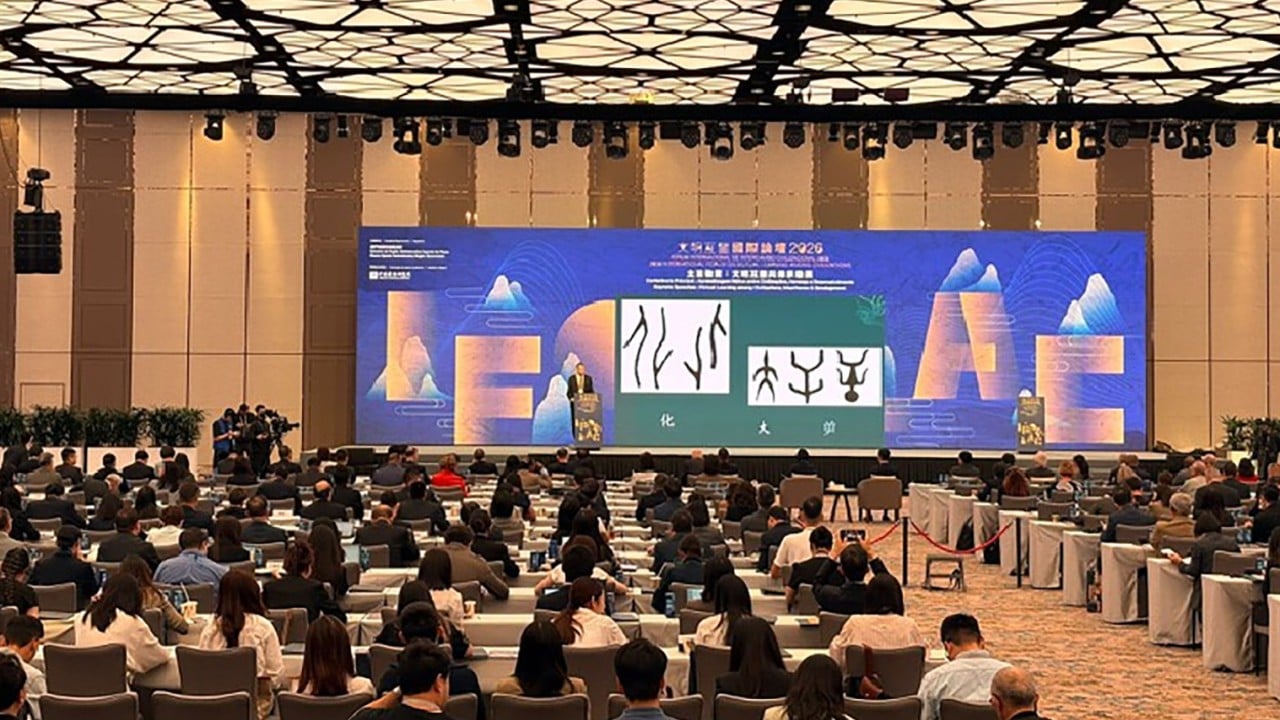
If you want to understand where China's economic and structural momentum is heading next, don't look at Beijing or Shanghai. Look south. At recent high-level discussions during international policy forums, experts made a compelling case that China’s broader national development strategy is nowhere felt more acutely than in Hong Kong and Macau.
For years, the conversation around the Special Administrative Regions (SARs) focused entirely on their separate legal systems, distinct currencies, and historical status as global bridges. But that framing is outdated. The reality on the ground has shifted dramatically, and anyone analyzing Asian markets needs to look past the lazy narratives.
The Changing Identity of the Special Administrative Regions
Hong Kong and Macau aren't just watching China's growth from the sidelines anymore. They're being wired directly into the mainland's core infrastructure. When you walk through the financial districts or examine the policy rollouts, the integration goes way deeper than a few cross-border high-speed rail lines.
Think about the Greater Bay Area initiative. It’s easy to dismiss these mega-regions as government press releases, but the practical merging of talent pools, capital flows, and technological ecosystems is rewriting the rules of commerce. Hong Kong’s capital markets and Macau's tourism-driven economy are adapting to a new ecosystem where national strategy dictates local reality.
Speakers at the recent International Forum on Mutual Learning among Civilisations pointed out that these two cities serve as live test labs for how China interfaces with the wider world. They are where national policy meets international standards, creating friction points and massive opportunities in equal measure.
Where Policy Hits Practice
Let's talk about what this actually looks like for businesses and professionals operating in the region.
- Capital allocation: Mainland regulators and financial institutions are tightening links with Hong Kong, turning the city into a vital valve for international capital while managing strict domestic controls.
- Diversification pressure: Macau is no longer content relying solely on gaming tables. The push toward high-end manufacturing, traditional Chinese medicine, and modern convention tourism mirrors Beijing's broader economic diversification goals.
- Talent mobility: Cross-border professional qualifications are shifting. Lawyers, accountants, and engineers from Hong Kong can increasingly practice across the mainland boundary without jumping through old bureaucratic hoops.
This isn't a passive observation. If you're running a business in these hubs, ignoring mainland regulatory shifts means you'll miss the structural shifts entirely.
The Real Friction Points Nobody Mentions
Of course, rapid integration isn't a frictionless fairytale. Merging different legal traditions, tax frameworks, and cultural expectations creates distinct operational headaches.
Hong Kong's traditional identity as an unfettered, laissez-faire entrepot rubs up against the structured planning of national industrial policy. Striking that balance is messy. Local businesses often struggle to adapt compliance procedures that now carry mainland weight, while professionals face intense pressure to upskill and align with broader national technological standards.
Yet, this friction is precisely why the changes are felt so acutely here. You're watching two different economic philosophies collide and merge in real time.
What Comes Next for the GBA and Beyond
If you're building a strategy around the region, stop treating Hong Kong and Macau as isolated offshore entities. They are anchor points for national execution.
Look closely at how technology partnerships and supply chain financing are evolving across the border. The winners over the next decade won't be the ones holding onto nostalgia for how things worked twenty years ago. They'll be the ones who figure out how to leverage this dual-system integration faster than their competitors.
Evaluate your cross-border compliance, audit your talent pipelines for mainland mobility, and pay attention to where national policy dollars are actually flowing. The blueprint is being written right now.