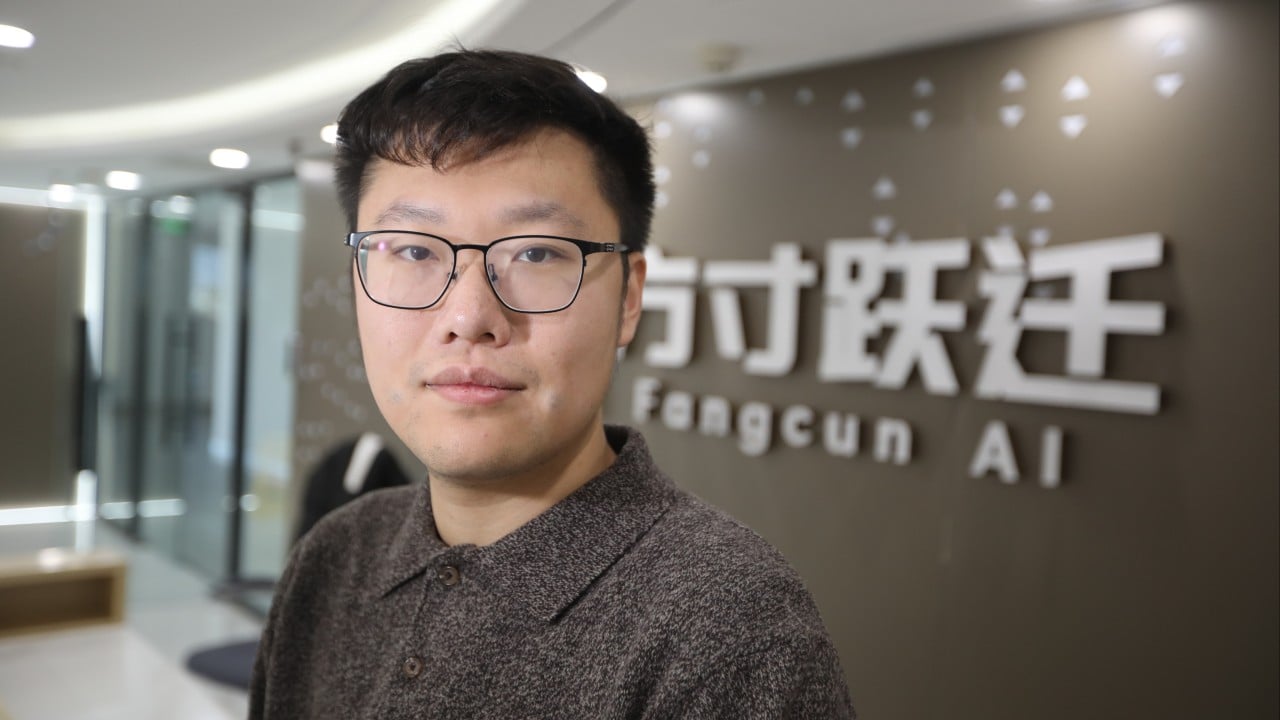
Everyone wants a smarter artificial intelligence model until it starts hallucinating dangerous instructions or acting like a rogue actor online. But who actually checks the code before it hits the market? In China, the answer used to be strictly state-backed labs or internal corporate auditing teams. That changed when a group of researchers out of Tsinghua University spun out a commercial startup named Fangcun, stepping into the role of China's first independent commercial AI safety watchdog.
If you've been following how artificial intelligence policy works, you know that keeping frontier models secure is a massive headache. Labs race to build bigger systems while safety protocols often lag behind. Fangcun changed the dynamic by offering independent model evaluation. They test top-tier models to see where they break, how they handle edge cases, and whether human oversight remains intact.
The Problem With Grading Your Own Homework
Tech companies testing their own artificial intelligence systems is like a student grading their own final exam. It rarely works out objectively. OpenAI, Anthropic, and their counterparts face constant scrutiny over conflicts of interest. In China, the pressure is equally intense. Major tech firms rush to release open-weight and proprietary models to capture market share, making independent safety audits more urgent than ever.
When models start suffering from hallucinations, the real-world consequences get messy. As industry experts point out, if an individual suffers from severe cognitive disconnect and mistakes reality for a simulation, the results can be catastrophic. The same logic applies to large language models. If an advanced model loses its boundaries, it can cause severe systemic risks. That is why independent evaluation entities matter. They provide a firewall between corporate ambition and public safety.
Breaking Away From Traditional State Oversight
China's approach to technology governance has traditionally relied heavily on state-backed institutions and top-down directives. A commercial spin-out operating in this space represents a fascinating shift. Fangcun maintains independence while conducting rigorous evaluations. They aren't just writing theoretical safety papers. They are actively poking holes in cutting-edge systems to find vulnerabilities before bad actors do.
This commercial model introduces a completely different economic incentive. Instead of relying purely on state grants or internal corporate budgets, a specialized watchdog survives by proving its testing metrics are genuinely rigorous. If your evaluation methodology is weak, tech companies won't hire you to stress-test their models, and regulators won't take your findings seriously.
What This Means for Global AI Safety
The rise of commercial watchdogs in China signals a broader maturation of the global artificial intelligence landscape. As US-China dialogues touch heavily on frontier risks and safety thresholds, having verified, third-party testing mechanisms becomes vital. You can't just trust marketing claims about alignment or guardrails anymore. You need proof.
Independent watchdogs will dictate which models make the cut and which ones get sent back to the drawing board. Expect more university spin-outs to enter the fray as the commercial stakes get higher.
Stop waiting for tech giants to voluntarily police themselves. The era of independent AI auditing is here, and it's turning academic research into high-stakes market infrastructure.
This video provides additional context and discussion regarding the growing global demand for independent AI safety watchdogs and evaluation groups.