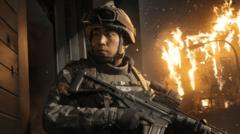
When you boot up a multi-million-dollar military shooter, you expect cinematic bombast, fictional geopolitics, and explosive set pieces. You don't expect to see real people dying in a modern civilian disaster. Yet that is precisely what players discovered in the opening cinematic of Call of Duty: Modern Warfare 4.
The game, developed by Infinity Ward and published by Activision, opens with a fictional narrative about a North Korean invasion of South Korea. To set the mood, the developers stitched together a montage of archival news clips. Buried in that rapid-fire sequence are unmistakable frames from the 2022 Itaewon crowd crush in Seoul, where 159 people lost their lives in a narrow alleyway during Halloween celebrations.
Gamers spotted the footage almost immediately. Side-by-side comparisons on social media and Korean broadcast networks quickly proved that emergency responders, stretchers, and CPR scenes from that tragic night were being used as window dressing for a fictional video game war.
The Backlash from Bereaved Families
The reaction from South Korea was swift and furious. Councils representing the bereaved families, alongside local civic groups, issued joint statements calling the inclusion senseless and deeply painful. For families still grieving loved ones who died in the crush, seeing real footage of the tragedy repurposed to entertain millions of players felt like a cruel violation.
The Korean Game Consumers Association stepped in with clear demands. They pointed out a basic truth: a real-world mass casualty event that happened just four years ago has no business being pasted into a fictional combat montage. Critics argued that using actual human suffering as moody texture demonstrates a severe lack of empathy from production teams racing to push out annual releases.
Activision responded with the standard corporate defense. They claimed the team approached the subject matter with care, stating the real-world news footage was only meant to build out the narrative context without any intention to trivialize the Itaewon disaster.
That excuse falls flat. When you pull real deaths into a fiction script, intent matters less than impact.
Where Major Studios Keep Failing
This isn't an isolated incident. Triple-A gaming studios have a recurring habit of treating real-world tragedies as public domain aesthetics. Developers want gritty realism, so they raid news archives for authentic chaos. They grab raw clips of fires, riots, and disasters to make their fictional battlefields feel heavy.
It's lazy world-building. Instead of crafting original art or animations to convey geopolitical tension, editors skim stock footage libraries or recent news feeds. They assume players won't notice or care.
Players do care. Modern gamers are hyper-observant. They pause cutscenes, break down trailers frame by frame, and cross-reference real-world archives. Trying to slip real disaster footage past an online community is impossible.
The Fix That Took Too Long
Following intense international criticism and pressure from local consumer advocacy groups, Activision announced that a game update scheduled for November 12 will scrub the disputed footage from the opening cinematic.
An apology and a patch don't erase the carelessness of the initial release. The fact that the sequence cleared multiple internal review stages before shipping shows a blind spot in how major publishers vet their creative content.
If studios want to tell stories rooted in real geopolitical regions, they need to respect the actual history and the living people affected by it. Real human tragedies deserve remembrance, not a digital cameo in a shooter.
Remove the shortcuts. Respect the audience. Keep real grief out of the script.