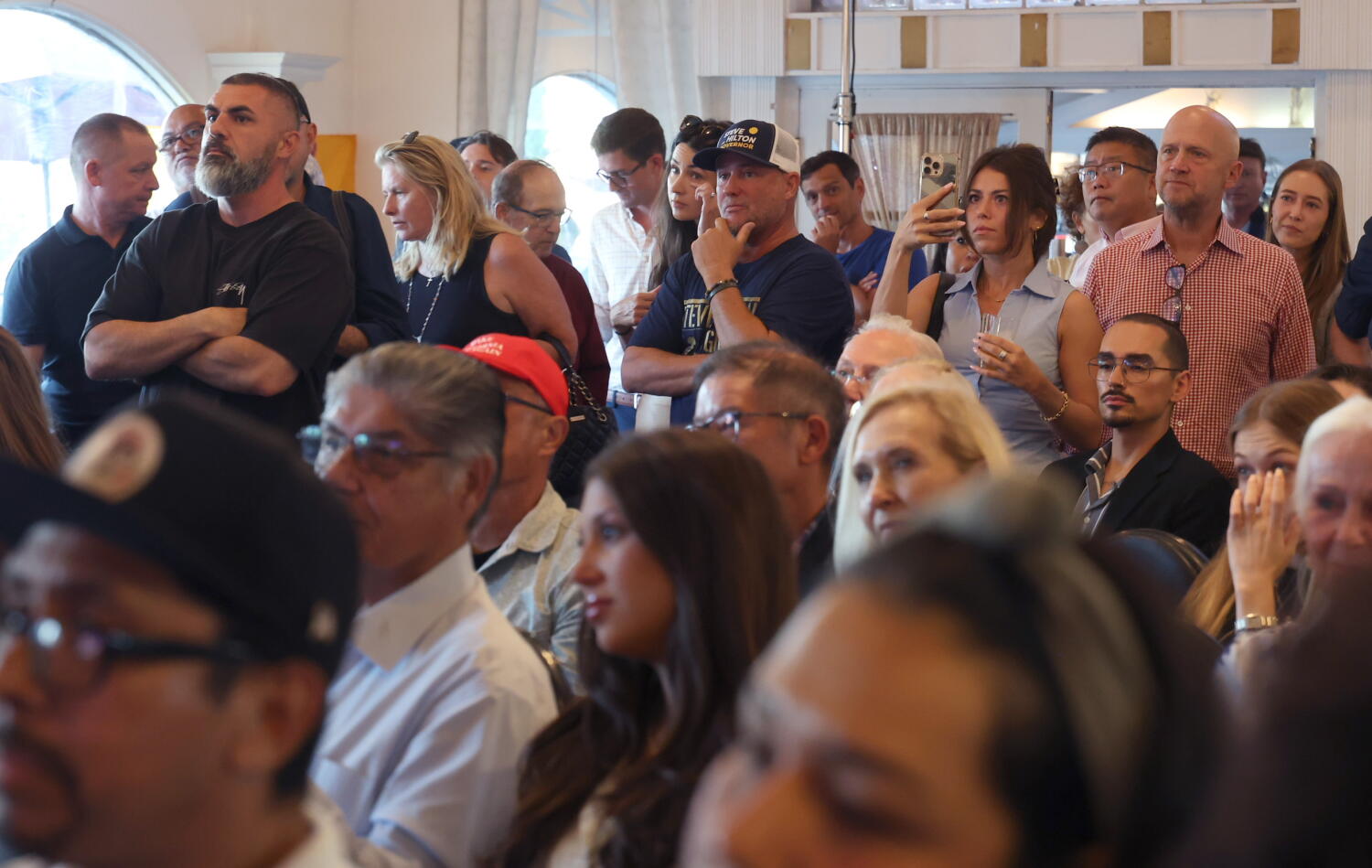
If you walk into a Republican field office in California right now, you won't find a unified party marching in lockstep toward election day. You will find a split personality. On one side, grassroots activists are fueled by local ballot pushes, voter ID momentum, and lingering frustration over cost-of-living pressures. On the other, party veterans stare at structural maps, federal sweeps, and relentless demographic headwinds with quiet dread.
Living in a deeply blue stronghold changes how you view political survival. You learn to celebrate tiny operational wins because landslide victories belong to another zip code. But as the 2026 midterms close in, the emotional whiplash inside the California GOP has reached a fever pitch.
The Grassroots Engine Driving Unexpected Optimism
Let's start with why some conservatives in the Golden State actually feel energized. It isn't coming from statewide executive offices—those remain out of reach. Instead, the optimism lives in the trenches of local mobilization and targeted congressional defense.
Take the voter ID conversation. Initiatives like Proposition 39 have given conservative organizers a tangible rallying cry. When you talk to voters about ballot security and basic verification standards, the friction between party lines softens. Independent and even moderate Democratic voters often nod along when the conversation centers on transparent mechanics. Organizers have harnessed this energy to build ground games in competitive districts across the Central Valley and Southern California suburbs.
House seats in these regions remain absolute knife-fights. Republican incumbents like David Valadao and other frontline defenders know how to outrun the baseline partisan registration numbers. They focus intensely on pocketbook issues—gas prices, insurance availability, and retail crime—rather than national culture wars. That localized focus keeps volunteers motivated and phone banks humming. When you can convince a voter that your specific representative is fighting high utility bills, party registration cards matter a whole lot less.
The Structural Reality Check
Yet, step out of the local campaign office and look at the macro picture, and the mood turns ice cold. California's structural reality is built to grind down minority parties.
Talk to any strategist looking at long-term maps, and they'll point to the looming threat of aggressive redistricting and lopsided voter registrations. Even with pockets of strong localized support, the state's baseline vote share for Democrats hovers near dominant levels. Recent federal enforcement sweeps and clashes over noncitizen voting rolls have also turned the state into a national lightning rod. While these battles fire up cable news pundits, local organizers often worry they distract from the unglamorous, door-to-door work needed to bank early votes.
Furthermore, high-profile national figures making pitstops in the state—such as progressive leaders rallying working-class districts—remind local Republicans just how much outside money and national attention can pivot toward defending Democratic turf. It creates an uphill battle where a Republican candidate has to run a near-flawless campaign just to survive against a structural undertow.
What California Politics Actually Teaches Us
If you want to understand where American politics is heading, stop watching the national aggregate polls and look at California. It serves as a strange, high-stakes laboratory.
Here is what is actually happening on the ground:
- Party labels are secondary in local races: Voters care far more about whether their home insurance got canceled or how much it costs to fill up a tank of gas.
- Enthusiasm is localized: While statewide despair is easy to justify given the legislative math, individual district battles are driven by sheer grit, personal relationships, and boots on the ground.
- The margins dictate survival: In a state where one party holds a massive registration advantage, winning isn't about converting the opposition. It's about squeezing every last drop of turnout out of a skeptical base and winning over exhausted independents.
The duality of hope and despair isn't a contradiction. It is simply the daily cost of doing political business in enemy territory. Win or lose when the ballots are finally counted, California conservatives have mastered the art of fighting uphill.



