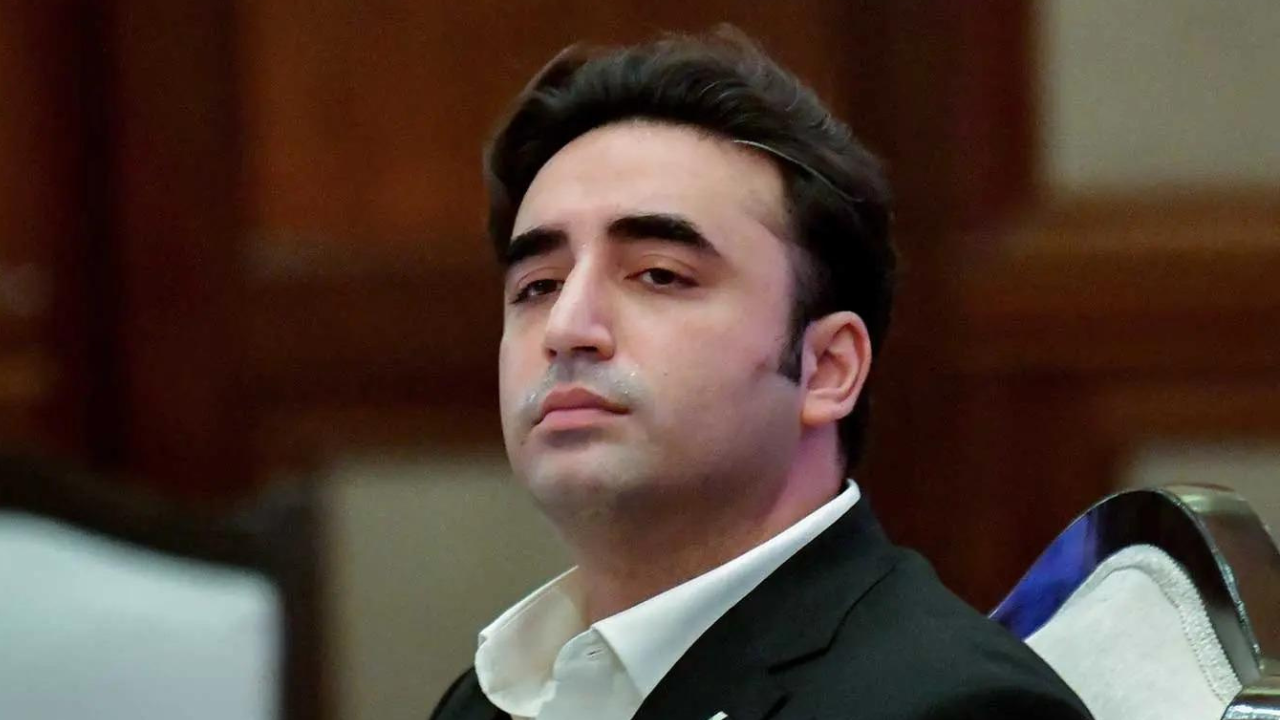
Blood will flow on the streets of Karachi if anyone tries to carve up Sindh by force. That isn't vague political theater from Pakistan Peoples Party chairman Bilawal Bhutto-Zardari. It's a direct warning aimed straight at his own ruling coalition partners and the state establishment pushing to redraw Pakistan's map into smaller provinces.
Honestly, when a coalition partner with 74 National Assembly seats talks about streets turning bloody over redrawing Pakistan's map, you pay attention. The Shehbaz Sharif government is currently caught in a messy push-and-pull over creating new provinces—with proposals floating around that range from splitting the country into 12 or 14 provinces to breaking it into dozens or even scores of smaller administrative units. Interior Minister Mohsin Naqvi floated the idea of a referendum on creating new provinces, and senior ministers like Defence Minister Khawaja Asif and Planning Minister Ahsan Iqbal have voiced support for smaller administrative units.
Bilawal isn't buying the official pitch that more provinces will magically fix broken governance. Worse, he's warning that forcing new borders onto Sindh—especially around volatile urban centers like Karachi, Hyderabad, Mirpurkhas, Tando Allahyar, and Nawabshah—could reignite deep social and ethnic fault lines.
What Redrawing Pakistan's Map Actually Means Right Now
Let's cut through the noise. Nobody has published a single, finalized boundary bill yet, and the exact math keeps shifting in public debates and media reports. One widely discussed blueprint points toward 12 provinces: splitting Punjab into four, Khyber Pakhtunkhwa into three, Balochistan into three, and Sindh into two. Another version mentioned in cabinet chatter stretches toward 14 provinces, with rumors of even broader administrative reorganizations floating around.
Supporters of smaller provinces have a real point on paper. Pakistan's current four-province setup concentrates enormous administrative and financial weight in provincial capitals, leaving outlying districts and mid-sized cities feeling sidelined. Asif, for instance, has questioned whether federal funds transferred to provincial capitals actually reach local institutions on the ground. Advocates argue that smaller provinces bring government offices closer to citizens and help tackle uneven regional development.
That sounds neat in a policy memo. In practice, redrawing provinces in Pakistan has never been just an administrative spreadsheet exercise. Every line drawn on a map touches language politics, resource distribution, voting blocs, and old grievances that haven't gone away.
Why Bilawal Bhutto Draws a Hard Line on Sindh
To understand why Bilawal reacted so sharply, look at where his party stands. The PPP has governed Sindh continuously since 2008. Sindh isn't just another region on the map for the Bhutto-Zardari family and the PPP; it's their political bedrock and survival base.
When you talk about splitting Sindh into two or more provinces, you're talking about changing power in Karachi and interior Sindh. Bilawal argued that the PPP isn't opposed to new provinces in principle, provided they follow the will of the people and constitutional rules. What he rejects is "force and coercion".
He also pointed out a glaring political fact. The Sindh Assembly—controlled by the PPP—has repeatedly passed resolutions opposing the division of Sindh, including one in September 2026. Reopening that push without consulting provincial leaders or respecting those assembly resolutions looks like a direct challenge to Sindh's elected mandate.
Here's the twist that makes the debate even messier. While the PPP opposes carving up Sindh, it has historically backed the idea of creating a province in southern Punjab. Critics and rivals love pointing out that contrast, arguing that boundary politics in Pakistan often depends on whose political turf gains or loses seats rather than a single consistent principle.
The Referendum Fight and Constitutional Hurdles
One of the sharpest clashes in this row isn't even about the number of provinces. It's about how you get there.
Interior Minister Mohsin Naqvi proposed using a referendum to decide on creating additional provinces. Bilawal pushed back hard against that route, arguing that Pakistan's Constitution already lays out procedures for altering boundaries or creating provinces, and warning that leaning on a referendum bypasses constitutional guardrails. He also noted that referendums in Pakistan's past have often been tied to undemocratic moves rather than genuine consensus.
Constitutional commentators have raised similar cautions: a referendum can't simply sidestep constitutional amendment rules or provincial assembly processes. Even under Article 48(6), which allows a national referendum on a matter of national importance under specific conditions, legal and political experts note that reshaping provincial boundaries involves serious constitutional and parliamentary hurdles.
In plain terms, you can't just slap a Yes-or-No question on a ballot and pretend decades of provincial federalism disputes will vanish overnight.
Coalition Cracks, Imran Khan, and Wider Power Plays
If this were just a technical argument over map lines, the coalition might smooth it over behind closed doors. Instead, it's exposing real friction inside the ruling setup.
Bilawal openly criticized the lack of consultation with him and President Asif Ali Zardari, even though media reports indicated Zardari and Prime Minister Shehbaz Sharif had discussed keeping any move within constitutional channels. Bilawal also told Shehbaz Sharif he needed enough authority to keep his own ministers in check. Meanwhile, rival voices like Mustafa Kamal—whose MQM-P has long pushed for new administrative units in Sindh—have traded sharp accusations with PPP leaders over who would bear blame if tensions flare.
Adding another layer to the drama, Bilawal recently called jailed former prime minister Imran Khan a "political prisoner" and "political stakeholder," calling for an end to political victimization and a broader political reset. Some political observers and politicians have even speculated about whether constitutional shifts or new provinces could become bargaining chips in broader backroom deals involving PTI—though no such deal has been confirmed.
Whether you view Bilawal's shift as principled pushback against overreach or smart positioning as coalition tensions rise, one thing is clear. The political chessboard in Islamabad is shifting fast.
What Most People Miss About Smaller Provinces
When commentators debate smaller provinces in Pakistan, they usually argue over two extremes: either new provinces fix everything, or they break the country. Both claims are oversold.
Creating a new province doesn't automatically create competent courts, honest police, clean water, or reliable schools. If you draw new provincial borders but keep power locked inside a new provincial secretariat while starving local councils of funds and elections, you just multiply bureaucracy. As analysts at outlets like The Friday Times have argued, real service delivery depends heavily on empowering local and municipal governments rather than merely adding more provincial capitals.
At the same time, ignoring real grievances over representation and resource allocation doesn't make them go away either. Ignoring history is a mistake. Pushing top-down maps without broad consensus is another.
Practical Next Steps If You're Tracking This Story
If you're following how this crisis unfolds—whether as a researcher, journalist, investor, or engaged observer—don't get pulled in by viral clips or rumor mills. Here's how to track what actually matters next:
- Watch for formal constitutional bills, not just talk shows. Cabinet chatter and television debates move fast, especially ahead of Senate cycles. Look for concrete draft legislation or constitutional amendment text rather than informal province counts.
- Track coalition alignment between PML-N and PPP. The PML-N has been cautious about locking in a formal stance on every aspect of the plan while coalition dynamics remain tense. If the PPP threatens to withhold support or escalates public clashes over Sindh, the government's parliamentary math changes immediately.
- Monitor local ground realities in Karachi and interior Sindh. Watch statements from provincial leaders, municipal bodies, and law-enforcement advisories in cities like Karachi and Hyderabad, where political rhetoric can quickly spill into street mobilization or urban unrest.
- Separate devolution talk from map-drawing talk. Pay close attention to whether debates include real fiscal and administrative powers for district and local governments—that's where day-to-day governance actually happens.
Pakistan's Political Map to Be Redrawn? Inside the 12-Province Plan
This video offers a focused look at the proposed 12-province restructuring plan and the political debate surrounding Pakistan's map.



