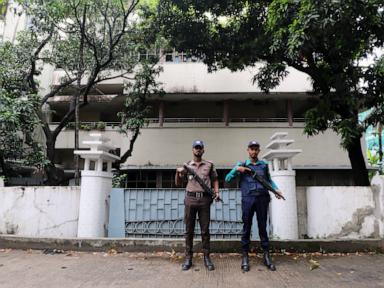
A fire broke out late Wednesday night at the ancestral home of former Bangladesh interim leader and Nobel Peace Prize laureate Muhammad Yunus in Chattogram, adding fuel to a sharp spike in political violence across the country. Police in the southeastern port city reported that flames started in an unused ground-floor room, were spotted by a patrol, and were put out quickly, leaving Yunus' paternal relatives living upstairs safe. Yet the timing is explosive. It comes right as supporters of ousted former Prime Minister Sheikh Hasina stage fresh protests and shutdowns ahead of her stated plan to return from exile in India in December.
If you've been watching Bangladesh since the 2024 uprising, none of this feels random. Honestly, it feels like a slow-motion collision between two rival political ghosts and a fragile elected government trying to hold the streets. On one side sits Hasina, living in exile in India after being sentenced to death a year ago over the deadly crackdown on the 2024 student-led protests, and now insisting she will come back in December. On the other side stands the government of Prime Minister Tarique Rahman and the Bangladesh Nationalist Party, which won elections earlier in 2026 after the post-uprising interim period led by Yunus.
Caught right in the middle is Yunus. He stepped up to head the interim administration after Hasina fell, carrying global credibility as the microcredit pioneer behind Grameen Bank. Now his family home in Chattogram and branches of Grameen Bank are taking direct hits.
What Happened at Muhammad Yunus Home in Chattogram
Chattogram sits roughly 300 kilometers, or about 185 miles, southeast of Dhaka. It's the country's main port city and a place loaded with personal history for Yunus.
According to police officials including Inspector Mozammel Haque, officers on patrol spotted the fire in an unused room on the ground floor late Wednesday, November 18, 2026, and moved quickly to extinguish it before it spread to upper floors occupied by Yunus' paternal family members. Investigators suspect flammable material was thrown into that lower room, though full forensic and investigative details haven't all been made public yet.
That detail matters more than people might think. A small fire in an unoccupied ground-floor room that gets doused quickly doesn't look like a full-scale military raid. It looks like intimidation. It sends a message. In street politics in South Asia, targeting a prominent figure's family home or institutions tied to their name is often about signaling reach and rattling nerves rather than taking ground.
At the same time, Yunus wasn't the only target mentioned in reporting around the mid-November unrest. Local reporting by The Daily Star noted fires at homes linked to former Hasina-era officials, including Dipu Moni and Sujit Roy Nandy, while Grameen Bank reported dozens of branches and offices hit by arson attacks or attempted fires between November 10 and mid-November. Watching both sides' networks or symbols get hit shows how messy and retaliatory this wave of unrest has become.
Why Bangladesh Political Tensions Are Rising Right Now
When people search for what's driving this spike in unrest, they usually want a single villain. Real life is rarely that neat. Several pressure points are converging all at once.
First, there's the countdown to December. Hasina has told reporters she intends to end her exile in India and return to Bangladesh in December, even claiming in an interview with The Associated Press earlier in November that nothing—not even death—would stop her. She has asked for a passport and national identity card to make that trip happen. Prime Minister Tarique Rahman's BNP government has flatly rejected giving her travel documents, insisting instead that India should extradite her under an existing treaty, a request New Delhi hasn't answered publicly in a way that resolves the standoff.
Second, street protests and shutdowns are escalating. Reports from mid-to-late November describe crude bomb explosions, torched vehicles, roadblocks, and a nationwide shutdown pushed by Hasina's banned Awami League. Police in Dhaka reported arresting more than 100 people linked to the Awami League and affiliated groups over a 24-hour stretch, including former Education Minister Nurul Islam Nahid, who faces charges connected to killings during the 2024 uprising. Authorities also reported deadly violence in districts outside the capital, including a bus helper killed after buses were set on fire in Pirojpur and fatal attacks involving ruling party members.
Third, economic strain makes a volatile street even hotter. Separate protests by garment workers over wages have blocked major roads leading into Dhaka and forced factory closures. Anyone who has followed Bangladesh's economy knows how sensitive the ready-made garment sector is. When highway blockades hit export supply chains and wage disputes flare up, everyday frustration spills straight onto the asphalt.
The Fault Lines Nobody Should Brush Aside
If you want to understand why this keeps flaring up even after an election earlier in 2026, look at what hasn't been settled.
- Unresolved accountability and exile politics. A court sentenced Hasina to death in absentia a year ago over the 2024 crackdown, and her party has faced bans and sweeping arrests. When a huge political base feels locked out or hunted, exile doesn't make the movement disappear—it often turns return talk into a rallying cry.
- Competing narratives over who is lighting the matches. Rahman and Home Minister Salahuddin Ahmed have pointed fingers at Awami League figures operating from abroad, accusing them of inciting unrest and trying to destabilize the country as the government pushes economic and institutional reforms. Meanwhile, Awami League leaders—many in hiding or abroad—haven't been readily reachable for comment, and independent observers and human rights monitors have raised broader questions over the years about arbitrary arrests, policing, and democratic guardrails during transitions.
- Institutional pressure on non-state pillars. Grameen Bank isn't just a bank; it's a symbol of Yunus' global standing. Attacks on dozens of its branches show that anger over the post-2024 transition isn't aimed solely at politicians in parliament.
From years of watching political transitions across developing democracies, here's a mistake smart observers make all the time. They treat a single incident—like a fire at a family house—as the whole story. Usually it's a symptom. What actually decides whether a country stabilizes after an uprising is whether courts, police, and political parties build rules people trust enough to fight with ballots and law instead of petrol and crude bombs. Right now, trust is in short supply.
Even the UK government's published fact-finding report on Bangladesh's political situation in 2026 noted mixed signals on the ground: some improvements in everyday policing compared with the worst of the past, yet real concern over arrests, political polarization, and whether reform promises match daily reality. That kind of nuance is crucial. Things aren't static, and they aren't black-and-white.
What People Often Get Wrong About This Story
One big misconception is thinking Muhammad Yunus is still running the country day-to-day. He led the interim government after Hasina's ouster in 2024, guiding Bangladesh toward elections that brought Tarique Rahman and the BNP into office in early 2026. Blaming or targeting Yunus as if he's still the sitting prime minister confuses two distinct phases of Bangladesh's post-2024 timeline.
Another mistake is assuming every protest or roadblock in Bangladesh is purely about Hasina vs. Rahman. Sometimes a highway gets blocked because garment workers are fighting for better pay and living costs are biting hard. Lumping every grievance into one party-versus-party box blinds you to real economic pressure on working families.
And let's be honest about information gaps during active unrest. In the middle of shutdowns, curfews or heavy patrols, and partisan blame games, early reports on who threw what or who ordered an attack can shift as police investigate. Claiming 100% certainty before investigations finish is bad journalism and bad analysis.
Practical Next Steps If You Are Tracking or Traveling to Bangladesh
If you're following this situation for business, family, policy work, or travel, keep your moves grounded and practical.
- Check real-time advisories before moving. Look at official travel advisories from your own government—such as the U.S. Department of State travel advisories or the UK Foreign, Commonwealth & Development Office Bangladesh advice—and check local news outlets like The Daily Star alongside international wire reports from Reuters or Associated Press.
- Build buffer time around Dhaka and Chattogram. Shutdowns, hartals, and highway blockades can snarl airport transfers, intercity travel, and port logistics with little warning. Never book tight same-day connections during active protest cycles.
- Keep your plans flexible in December. With Hasina's stated December return timeline looming and security forces on high alert, tensions could spike abruptly around key dates or court and extradition developments.
- Separate verified facts from social media rumors. Wait for confirmation from multiple reputable sources before acting on claims about arrests, casualties, or specific street clashes.



