You can't buy a week's worth of basic groceries with 12,500 takas anymore. When inflation eats up your entire paycheck before the month even hits the halfway mark, walking off the assembly line isn't a choice—it's survival.
That reality is driving thousands of garment workers onto the highways of Dhaka, Gazipur, and Ashulia. They're demanding a monthly minimum wage of 30,000 takas, roughly $240. That figure represents a massive 140
Why Bangladesh Garment Workers Are Fighting For Fair Pay Right Now
news
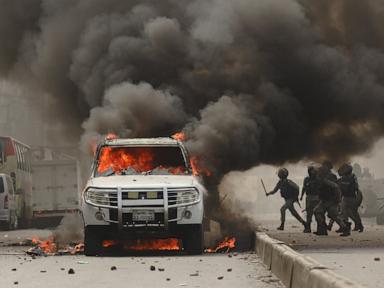
The clothes hanging in your closet come at a heavy cost. Thousands of garment workers in Bangladesh took to the streets recently, clashing with police while demanding higher minimum wages. It's a high-stakes standoff that exposes the brutal human price behind fast fashion. Further reporting by Al Jazeera delves into related perspectives on the subject.
When you buy a cheap t-shirt, you rarely think about the person who sewed it. But the reality in Dhaka's industrial hubs is grim. Workers face grueling hours, unsafe conditions, and pay that barely covers basic survival. Inflation keeps rising. Wages stay frozen. People can't afford rent and food at the same time, which is why protests turn explosive.
The Breaking Point Behind The Protests
Workers aren't striking just for fun. They're desperate. The cost of living in urban centers like Dhaka has skyrocketed over the past few years. Rice, lentils, rent, and medicine cost significantly more than they did even two years ago.
Factory owners and major international brands hold the cards. Brands demand lower prices to protect profit margins. Local factory owners squeeze workers to meet those low margins. The workers get caught in the middle. They work sixty hours a week and still fall short of a living wage.
Police responses to these protests are often brutal. Tear gas, rubber bullets, and baton charges fill the streets. Factories shut down temporarily. Supply chains stutter. Yet, the root cause remains unaddressed.
Why Global Brands Keep Looking Away
Major fashion corporations love Bangladesh for its cheap labor. It's profitable. Executives in Western corporate offices talk about sustainability and ethical sourcing on their websites, but their buying practices tell a different story. They pressure suppliers to slash costs, making fair wages nearly impossible for factory owners to pay without losing contracts.
This creates a vicious cycle.
- Brands demand lower production costs.
- Factory owners suppress worker wages to secure orders.
- Workers organize and strike out of sheer frustration.
- Police crack down, factories close, and the cycle repeats.
Real change requires more than temporary wage boards raising the minimum by a few meager takas. It requires brands to pay fair prices for garments. If you want ethical fashion, the entire supply chain needs a massive reality check.
Don't buy into corporate PR statements about caring for workers. Look at actual supplier payments. Look at whether workers can feed their families. Until those metrics improve, the streets of Dhaka will keep seeing unrest.
The next time you grab a bargain piece of clothing, remember the real price tag. It's paid by workers fighting for survival on the front lines of global trade.