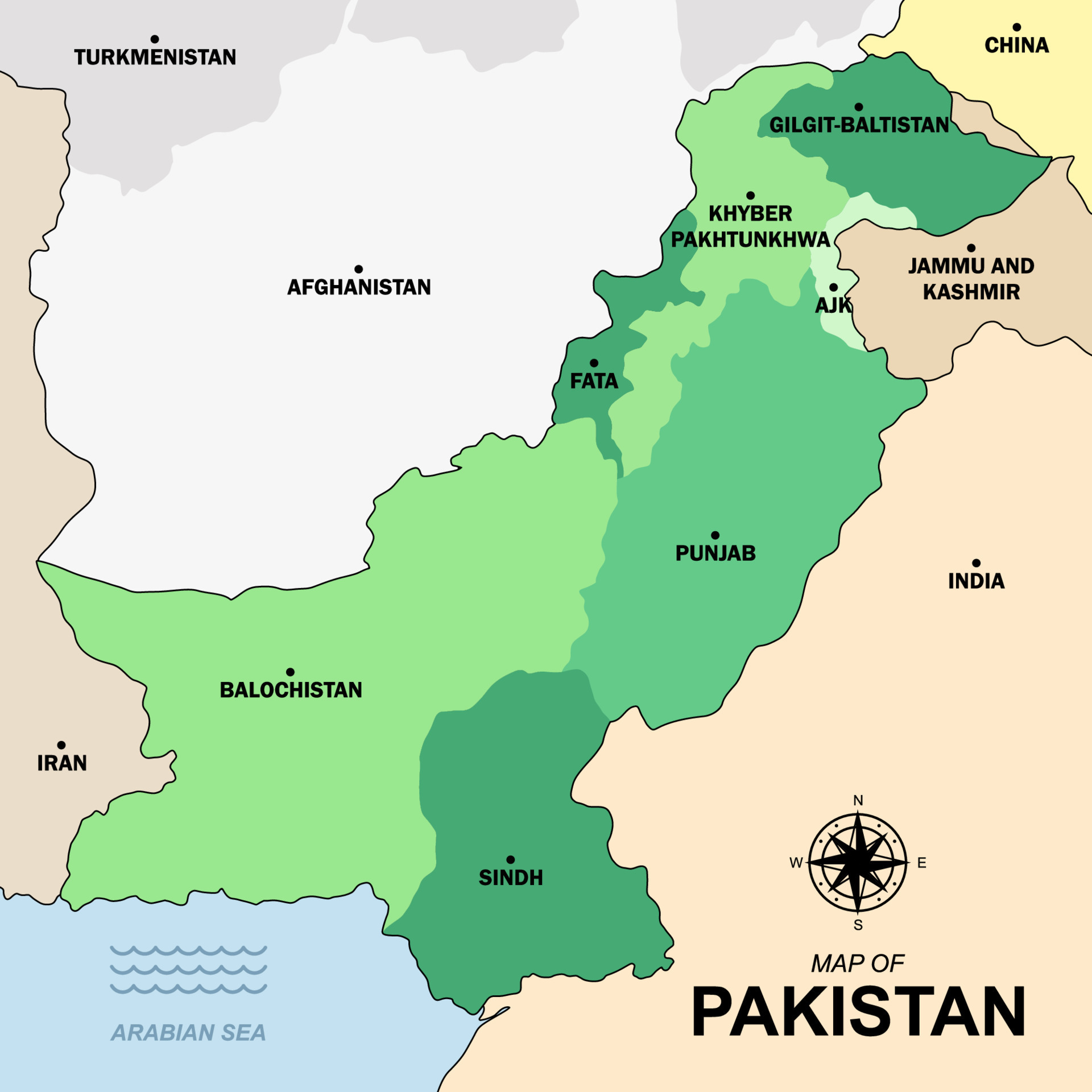
Two very different fires are burning in Pakistan-Occupied Kashmir right now, and neither looks good for ordinary residents. On one side, a former Pakistani Army soldier named Shahzad Khan has declared an armed uprising through his Janbaz Force. On the other, senior figures from the banned Jaish-e-Mohammed have shown up in Rawalakot to negotiate with leaders of the Awami Action Committee.
That combination is weird, dangerous, and honestly hard to read at face value. Usually, when a civilian protest movement runs for months over electricity bills, subsidies, and political representation, you expect bureaucrats or politicians to show up at the table. You don't expect militant commanders to step in as mediators while an ex-soldier with deep militant ties threatens armed intervention.
To understand why this is happening, you have to look past the headlines and trace how years of street protests collided with Pakistan's security playbook. Local grievances in Azad Kashmir didn't start yesterday. They built up over wheat prices, power tariffs, and long-standing anger over political control from Islamabad. When militant groups and armed factions enter a civilian dispute, peaceful protesters usually end up paying the highest price.
How Street Protests Turned Into a High-Stakes Showdown
If you only read short news alerts, it's easy to miss how long this tension has been simmering. Civic coalitions like the Jammu Kashmir Joint Awami Action Committee grew out of local frustrations over basic living costs, hydropower royalties, and political rules that residents felt sidelined local voices. In 2024, protests forced concessions on wheat flour and electricity tariffs, as documented in public reporting on the Jammu Kashmir Joint Awami Action Committee.
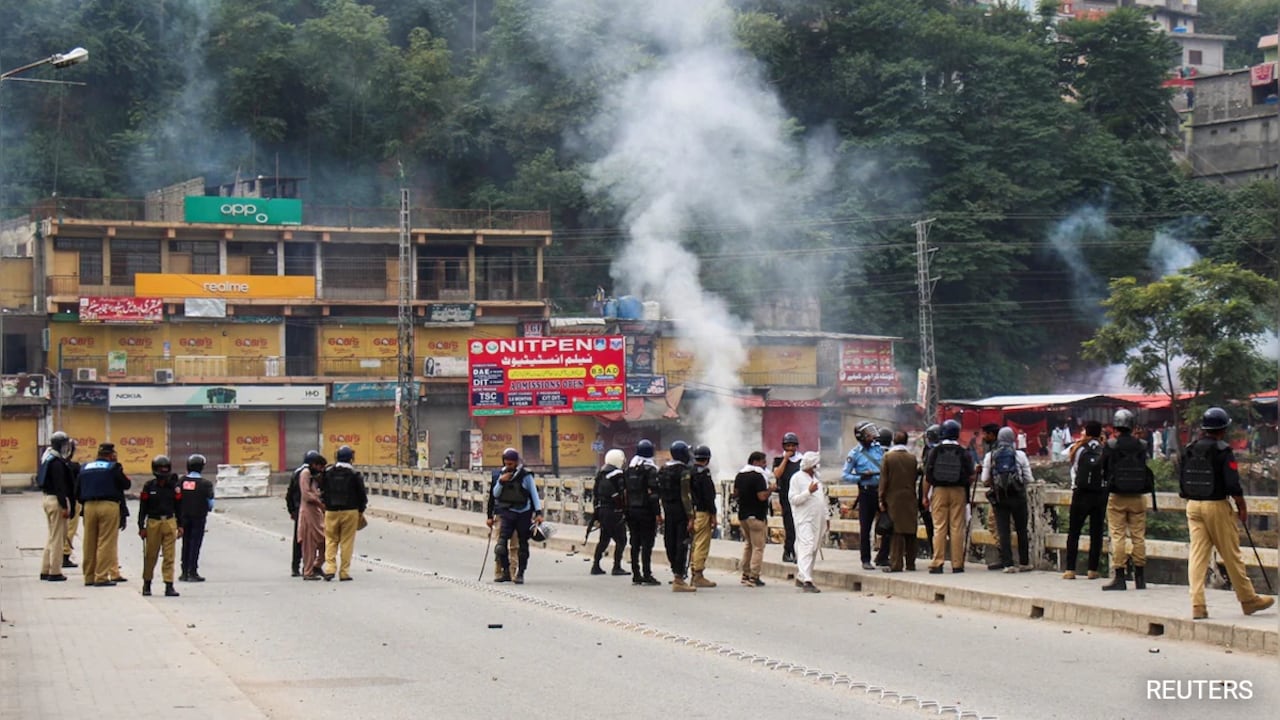
Then the friction kept returning. Disputes over unfulfilled agreements, elite perks, and the twelve assembly seats reserved for Kashmiri refugees living in Pakistan turned periodic strikes into a deeper political crisis through 2025 and 2026. Authorities moved from negotiations to bans, arrests, communications blackouts, and deadly clashes, a trajectory outlined in coverage of the 2026 Azad Kashmir protests.
Here's the mistake a lot of outside observers make. They treat a protest movement like a single switch that flips on and off. In reality, street movements in tight security zones fracture under pressure. Some organizers push for marches and strikes, others get detained or driven underground, and outside actors quickly try to steer the narrative.
Why an Ex-Soldier Declaring Armed Uprising Raises Red Flags
Shahzad Khan's announcement of an armed uprising via the Janbaz Force isn't a random outburst from a stranger. According to reporting on the Rawalakot developments, he served as a Havildar in the Pakistani Army's Air Defence unit, later moved into militant circles tied to Lashkar-e-Taiba, faced capture and imprisonment in India, and later formed Tehreek-e-Tawassuf Jammu Kashmir along with its armed wing.
Think about that track record for a second. When someone with military training and past militant ties announces he's stepping in to protect protesters, that sounds heroic on paper to a frustrated crowd. In practice, armed posturing gives authorities an easy excuse to treat every street demonstration like a security threat.
Residents and local activists have long worried about getting caught between heavy-handed security forces and armed groups with murky loyalties. Once weapons enter the picture, civilian organizers lose control of the message. Even if protesters march peacefully for lower power bills or local representation, armed rhetoric can hand security agencies the pretext they want for a wider crackdown.
What Jaish-e-Mohammed Is Doing in Rawalakot
Seeing Jaish-e-Mohammed figures sit down for talks in Rawalakot feels jarring, to say the least. JeM is a banned militant outfit with a long record of cross-border attacks and regional violence, not a neutral civic mediator.
Recent reporting from DD News highlights how openly JeM commanders have spoken about setups in the region and their ties to intelligence channels. Meanwhile, broader regional security analysis from the Middle East Forum points to tighter intelligence oversight, shared militant infrastructure, and more secretive communications across Pakistan-administered areas following the 2025 escalation.
Why would militant figures get involved in talks with protest leaders? Because control in a restive border region isn't just about rifles; it's about influence. If militant networks help broker or shape local arrangements, they can keep tabs on dissent, co-opt angry young men, or prevent protests from spiraling in ways Islamabad doesn't want.
At the same time, we shouldn't treat every intelligence claim or leaked rumor as settled fact. Conflict zones are thick with spin, denials, and competing narratives. Independent verification on the ground in Azad Kashmir is notoriously tough when internet access gets cut and journalists or observers face tight restrictions.
The Real Risk for Civilians Caught in the Middle
When militant mediation, armed threats, and emergency hospital preparations happen at the exact same time, civilians bear the brunt. Reports of surgical staff being reordered toward military medical facilities in Rawalakot underscore how seriously officials are preparing for potential casualties or clashes.
Look at what's at stake for families living there. Shopkeepers lose income during shutdowns. Students lose months of schooling. Families grieve disputed deaths while arguing over official accounts and casualty numbers, a point stressed in recent commentary on civilian killings in PoJK.
There's also a wider regional trap here. Unrest in Pakistan-Occupied Kashmir doesn't stay neatly boxed inside one valley. Cross-border tensions between India and Pakistan remain sensitive—especially after the deadly April 2025 Pahalgam attack and subsequent military clashes noted by the International Crisis Group—so any spike in militancy or armed mobilization draws intense scrutiny from neighboring capitals.
Separating Noise From Signal When Following This Story
If you're tracking developments in Azad Kashmir, a few practical habits will keep you from getting misled by sensational clips or one-sided threads.
- Check multiple sources before sharing claims: Compare local protest accounts, government statements, regional outlets, and independent analysts rather than relying on a single viral post.
- Watch who benefits from escalation: Ask whether an armed threat or a sudden "mediation" effort helps peaceful civic demands or gives security forces an excuse to clamp down harder.
- Separate economic grievances from militant agendas: Remember that everyday issues like electricity tariffs, subsidies, and local governance drove the mass movement long before armed factions claimed the spotlight.
- Track verifiable ground indicators: Look for concrete signs like curfews, internet shutdowns, court rulings, and hospital alerts rather than dramatic social media predictions.
Stay sharp, verify what you read, and keep your eyes on what happens to ordinary people on the ground.