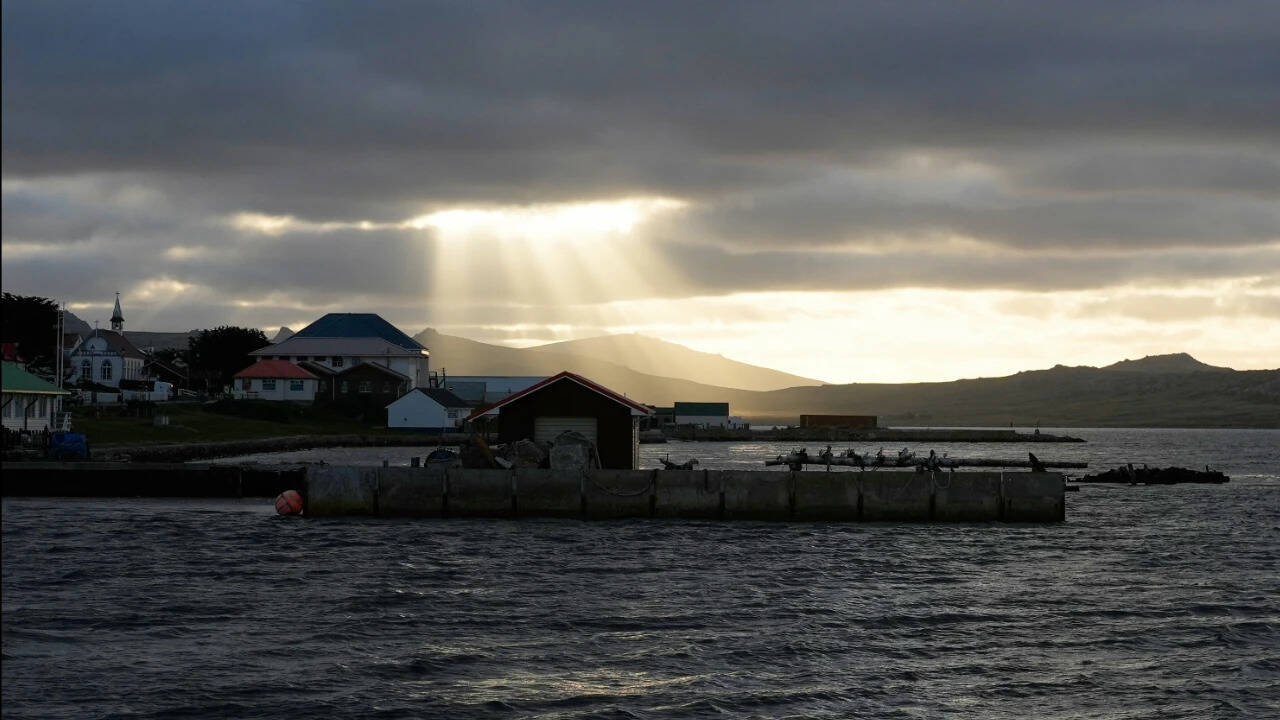
Argentina just took a major legal hit over oil drilling near the Falkland Islands. On November 28, 2026, the International Tribunal for the Law of the Sea voted 18-3 against Buenos Aires, refusing to temporarily halt work on the Sea Lion offshore project.
If you thought a maritime court would step in and freeze the rigs while two nations argue over sovereignty, you missed how international law actually works. A sea-law tribunal isn't a territorial referee. Because seabed rights depend on who legitimately holds the nearby coast, judges in Hamburg concluded they couldn't grant emergency measures without wading straight into the sovereignty dispute over the islands, which Britain has controlled since 1833 and Argentina calls the Malvinas.
For Argentine President Javier Milei, it's a sharp setback after pushing hard to stop a joint UK-Israeli venture led by Rockhopper Exploration and Navitas Petroleum. Drilling at Sea Lion, roughly 220 kilometers north of the islands, isn't slated to start until March 2027, with first extraction targeted about a year after that. Still, losing an 18-3 vote stings when Buenos Aires framed the project as a "clear and present danger" to its claims.
Why Maritime Judges Refused to Halt Sea Lion Oil Drilling
Here's the catch that trips up a lot of casual observers: filing a complaint under UN sea law doesn't force an international court to decide who owns an island chain.
According to reporting on the Hamburg ruling—including coverage from The Associated Press and Times of Israel—tribunal president Maurice Kamga and the majority saw no apparent basis for jurisdiction on the emergency request. Even Argentina's environmental arguments ran smack into the same wall. Under the UN convention governing the sea, coastal and seabed rights flow from sovereignty over the land territory. When sovereignty itself is fiercely contested, a maritime panel can't simply assume Argentina's claim is valid just to issue an injunction.
Argentina argued it wasn't asking the tribunal to rule on sovereignty, only to apply sea law against what it views as illegal resource exploitation in waters roughly 480 kilometers east of Argentina's southeastern coast. Honestly, that's a tough needle to thread in front of eighteen judges. You can't ask a court to treat disputed waters as yours for an emergency freeze while insisting you aren't asking it to settle ownership.
A Long Dispute With Real Scars
This isn't a dry paperwork spat over coordinates on a chart. Britain and Argentina fought a brutal 10-week war in 1982 after Argentine military forces landed on the islands—a conflict that killed 649 Argentine troops, 255 British personnel, and three islanders before ending in Argentina's surrender.
Over a decade later, in 2013, about 99.8% of the roughly 3,500 residents voted to remain a British overseas territory, with just three votes against. Buenos Aires rejects that referendum as legally meaningless, while London treats self-determination as bedrock principle. Today, British Foreign Secretary Ed Miliband and Attorney General Ellie Reeves called the ruling a vindication of Britain's legal defense and urged Argentina to drop wider economic pressure on the territory.
What Comes Next After the Tribunal Vote
Don't assume the Sea Lion project is cruising into smooth water overnight. A court victory clears a massive legal hurdle, yet offshore energy projects in contested zones face commercial and political friction that judges can't wave away.
- Arbitration stays open: Argentina launched an arbitration process against the UK in September, and as Courthouse News notes, a separate arbitration panel can still hear a fresh request to stop the work.
- Contractor pressure is real: Argentina has huge onshore and shale energy leverage—such as Vaca Muerta—and oilfield service firms with interests in Argentina face real pressure. Navitas had to replace two contractors last month after they pulled out over Argentine threats.
- Domestic politics shape the rhetoric: With economic strain at home and political headwinds ahead of next year's cycle, Milei has sharpened his rhetoric and looked for diplomatic backing, including hopes that U.S. President Donald Trump might rethink Washington's traditional neutrality. Meanwhile, UK Prime Minister Andy Burnham raised the project with Trump in a late-October call.
In my view, the biggest mistake people make on stories like this is treating a court ruling like a final curtain call. It isn't. For Rockhopper and Navitas, the ruling validates their licenses from the Falkland Islands government and UK backing, which helps keep financing and long-lead planning moving ahead of March 2027. Yet commercial risk—contractors getting cold feet, supply-chain delays, diplomatic lobbying in Washington—can slow a project just as effectively as a courtroom loss.
Practical Next Steps for Tracking This Dispute
If you're following this story for geopolitical risk, energy markets, or international law, don't rely on headlines that treat every filing as a knockout blow.
- Watch March 2027 operational milestones: Track whether Rockhopper and Navitas actually spud on schedule in March 2027 and whether replacement contractors lock in without further defections.
- Separate interim rulings from arbitration: Keep an eye on the separate arbitration track initiated in September rather than assuming Saturday's 18-3 emergency vote ends all legal challenges.
- Monitor diplomatic signals in Washington and London: Pay attention to statements from the UK Foreign Office, Buenos Aires, and the White House—shifts in tone often signal behind-the-scenes pressure long before any rig moves.