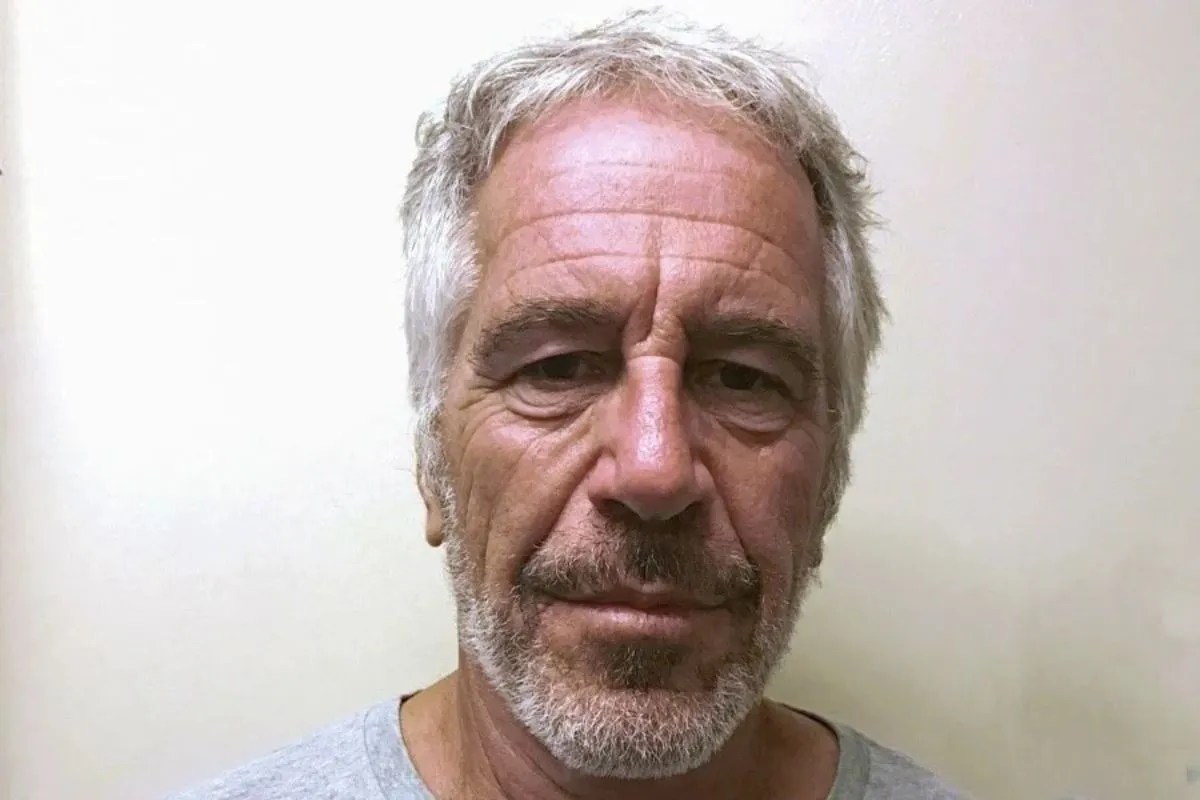
Decades of isolation on a high-security island prison haven't stopped Abdullah Ocalan from casting a long shadow over Turkish politics. When news broke that the jailed founder of the Kurdistan Workers' Party (PKK) was moved to a newly built section of the İmralı Island prison facility, it wasn't just a minor administrative housing update. It signaled a subtle, calculated shift in a stalled peace push.
Mithat Sancar, a lawmaker from the pro-Kurdish DEM Party and a member of the İmralı delegation, confirmed the relocation. According to fellow delegation representative Pervin Buldan, the move is designed to improve Ocalan's working conditions rather than grant him any fresh legal or political status. Still, behind the closed doors of Turkish statecraft, location changes for high-value prisoners rarely happen by accident.
The Imrali Reality
Ocalan has been locked away on İmralı Island in the Marmara Sea since his capture in Kenya back in 1999. For years, his detention conditions—marked by long stretches of strict isolation and limited access to legal counsel or political delegations—have been a core grievance for Kurdish political movements.
Improving these conditions has always been priority number one for political actors pushing to resolve the 42-year conflict. When talks freeze, prisoner conditions become the canary in the coal mine. By constructing a new section within the prison grounds and moving Ocalan into it, authorities are quietly acknowledging that communication channels need an upgrade if any future political roadmap is going to move forward.
Unfreezing a Stalled Process
Why now? The peace process has hit a rough patch over the last two months. Both sides know that structural deadlocks require real adjustments on the ground.
Sancar didn't mince words when addressing the media, pointing out that true progress can't rely on unilateral expectations or rigid state demands. Ocalan remains the central figure capable of coordinating negotiations for the PKK, but he needs functional oversight and direct contact with political delegates to do it effectively.
While opposition figures and skeptics closely watch for any signs of formal concessions, pro-Kurdish representatives insist the transfer is strictly practical. It's about environment and capacity. Yet, in the high-stakes chess match of Turkish-Kurdish relations, even a physical room change shifts the momentum.
What Comes Next
Moving a prisoner doesn't automatically translate to a signed peace treaty. Deep ideological divides, security concerns, and political survival instincts run deep on both sides.
If this new prison section is meant to facilitate serious dialogue, the coming weeks will reveal whether political delegations gain smoother access to the island. Watch for upcoming statements from the DEM Party and Ankara's security apparatus. If visits increase and tone shifts from rigid rhetoric to actual negotiation, this island transfer will look like the opening move of a much larger political reset.