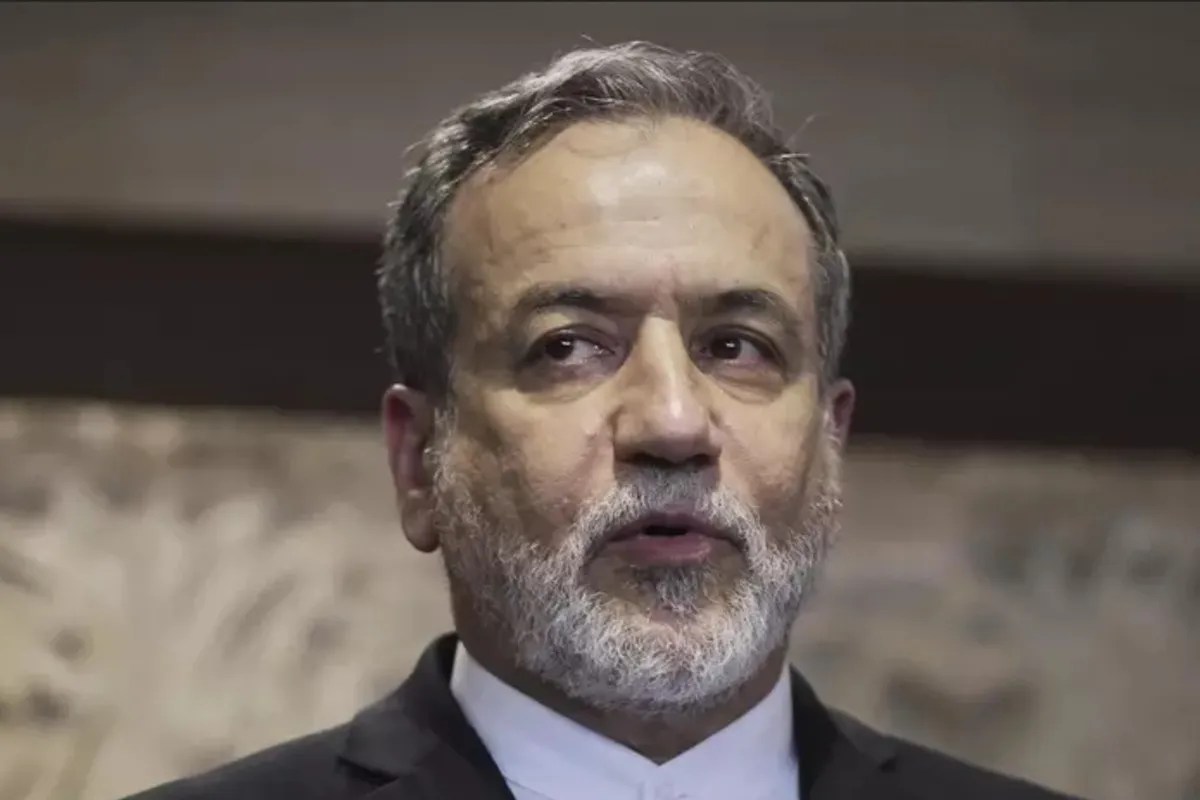
When geopolitical tensions flare in the Middle East, the rest of the world usually focuses on headlines about military strikes or diplomatic fallout. But beneath those immediate anxieties lies a much more fragile system: global energy infrastructure. Iranian Foreign Minister Abbas Araghchi recently laid this reality bare during the Gas Exporting Countries Forum summit in Moscow, highlighting how a single misstep in the Persian Gulf could send shockwaves through worldwide fuel markets.
If you think energy prices are volatile now, you haven't looked closely at what happens when choke points like the Strait of Hormuz face active military threats. Araghchi didn't mince words about the stakes, and neither should we.
The Real Vulnerability of Global Energy Supply Chains
Most people assume oil and gas supplies bounce back quickly from regional conflicts. They don't. The Persian Gulf handles a massive share of the world's petroleum and liquefied natural gas. When senior officials warn about military misadventures, they aren't just engaging in standard political posturing. They're pointing at physical infrastructure that is notoriously difficult to protect during all-out hostilities.
Refineries, tankers, pipelines, and export terminals form a tight network. Damage one critical node, and the supply chain breaks instantly.
- The Strait of Hormuz acts as the world's most critical oil bottleneck.
- Insurance rates for cargo ships skyrocket the moment conflict touches regional waters.
- European and Asian markets absorb the immediate price spikes because they rely heavily on Gulf imports.
Araghchi's address at the GECF summit emphasized that energy security isn't just an Iranian concern or an Israeli concern. It's a global vulnerability. When producers and consumers both depend on stable trade routes, any military miscalculation hurts every single economy on the planet.
Beyond the Supply Lines: The Washington-Tel Aviv Dynamic
Araghchi's warnings didn't stop at immediate market disruptions. He also took direct aim at the broader military alliance linking the United States and Israel, describing the relationship in starkly critical terms. Pointing to billions spent on missile defense over recent years and the heavy reliance on US interceptors, he argued that the arrangement places an asymmetrical burden on American taxpayers without offering a reciprocal strategic advantage.
Whether you agree with that assessment or view it through the lens of traditional deterrence, it highlights Tehran's reading of the current strategic balance. Iran sees the ongoing military buildup not as a stabilizing shield, but as an escalating cycle that increases the odds of a wider regional conflict.
What This Means for Global Markets Right Now
Markets hate uncertainty, and the Middle East is currently drowning in it. Energy traders watch every diplomatic statement and military movement out of Moscow, Tehran, and Tel Aviv with extreme caution. A miscalculation by any party involved won't just register as a temporary blip on trading charts. It will trigger immediate supply contractions, driving inflation higher across manufacturing, transportation, and consumer goods worldwide.
Governments from Tokyo to Washington are scrambling to diversify energy sources, investing heavily in renewables and alternative suppliers. But energy transitions take years, while supply shocks happen overnight.
Keep a close eye on shipping insurance rates and regional naval movements over the coming weeks. That tells you the real story long before mainstream analysts catch up.