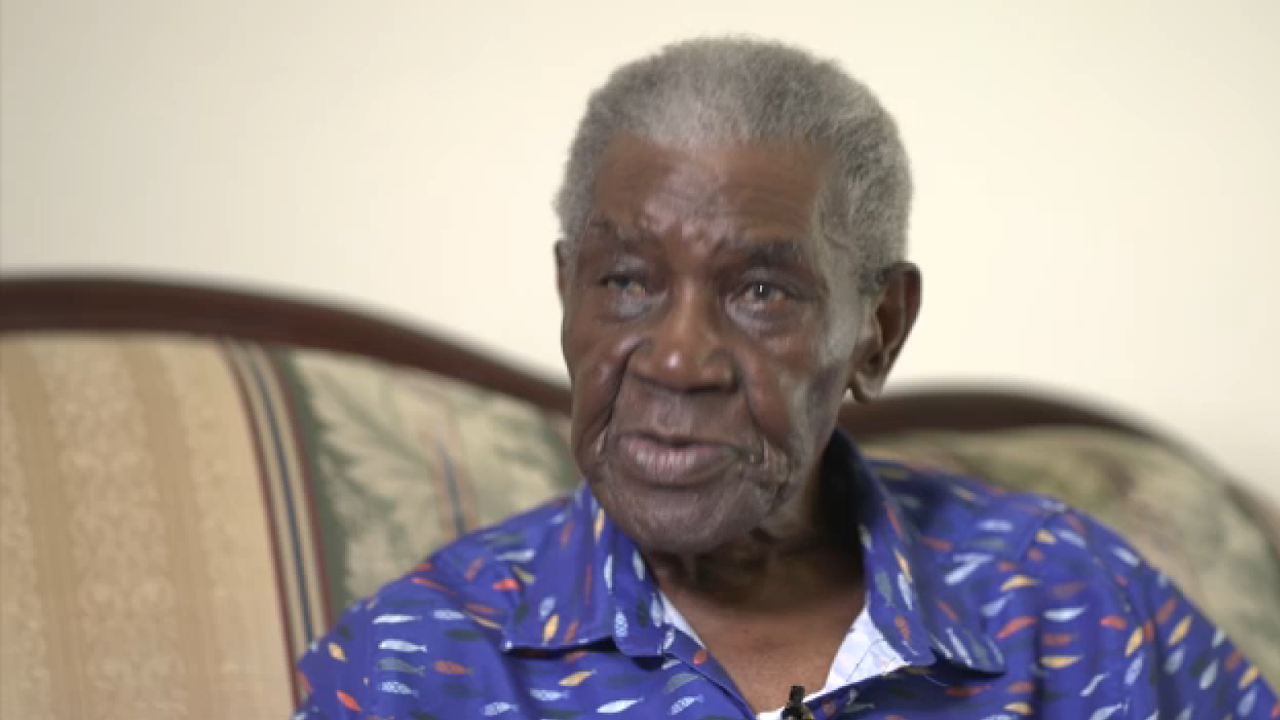
Most of us take our legal identities completely for granted. You pull a card from your wallet, fill out an online form, or grab a birth certificate from a filing cabinet without a second thought. But for James Dorsey, proving he actually existed required an 80-year battle.
Born on a Louisiana plantation in 1931 delivered by a midwife, Dorsey never received an official birth certificate. For decades, that missing piece of paper quietly disrupted his life, forcing him to navigate employment hurdles like stepping away from work as a truck driver, moving to Houston in the 1950s, and wondering if the system would ever recognize his complete existence.
At 95 years old, Dorsey finally received that document. His story sheds light on a hidden administrative reality that affects far more people than you might think.
The Invisible Barriers of Mid-Century Record Keeping
When you look back at rural America in the early 1930s, official record keeping was completely different, especially for Black families in the Jim Crow South. Hospitals weren't accessible or standard options for many rural residents. Births often happened at home or on plantations, relying on midwives rather than county clerks.
Dorsey grew up working the cotton fields on the Ellerbe Plantation near Shreveport. Back then, official documentation wasn't issued automatically. If a midwife didn't file the paperwork—or if county offices failed to log it properly—you simply existed without a paper trail.
For a long time, Dorsey didn't realize how much trouble that missing document would cause. It wasn't until he prepared to get married that the absence of a birth certificate created an immediate roadblock. Later in life, the lack of proper vital records forced career limitations, including his time trying to make a living as a truck driver. While he managed to secure a Social Security card and a driver's license after moving to Houston in the 1950s, the official state-issued birth certificate remained completely out of reach.
How Family and Pro Bono Legal Help Cracked the Case
Bureaucracy doesn't care how old you are or how hard your life has been. State vital statistics offices demand exact parameters: names, dates, and filing locations. If a record was logged incorrectly or under a slight variation decades ago, automated searches hit a permanent wall.
Dorsey's daughter, Barbara Dorsey-Curry, stepped in to help push the administrative process forward. But navigating state archives required legal muscle. Enter Raynique Keelen, a Houston and New Orleans-based attorney who agreed to take on the case pro bono.
Keelen dove straight into Louisiana's historical archives, visiting a New Orleans courthouse to dig through decades-old files. The breakthrough came when they discovered his birth record had actually been filed—just under a completely different name and date than the ones Dorsey had used throughout his life.
What This Means for Document Insecurity Today
It is easy to assume that missing birth certificates are a problem of the distant past. They aren't. Thousands of elderly Americans, particularly those born in rural areas before hospital births became universal, struggle with missing or delayed birth certificates.
Without these documents, seniors face massive hurdles trying to access social security benefits, secure housing, travel, or verify their identities. When attorneys like Keelen aren't available to step in pro bono, families often find themselves trapped in endless loops of bureaucratic rejection. Agencies routinely dismiss school records or census data as insufficient proof, leaving aging citizens completely stranded by the system they paid into for decades.
When Keelen finally walked into Dorsey's home to hand him the official document, the emotion in the room was palpable. Asked how it felt to finally hold the paper after nearly a century, Dorsey kept it real: "Lord, have mercy. I don't know how to feel. I feel so good. I didn't know what was going to happen to me if I didn't have it."
A piece of paper shouldn't take ninety-five years to acquire. But for James Dorsey, closing the loop on a life that began on a Louisiana cotton field means he finally has the final proof that his story matters.
Born on a Plantation: 95 Years Later, He Finally has a Birth Certificate
This video provides a direct look at James Dorsey receiving his long-awaited birth certificate and shares more context on the decades-long journey.



