A high school kid standing outside after football practice waiting for a ride shouldn't have to wonder if he's about to be shot by police. But that's the grim reality four Baltimore students faced when an experimental artificial intelligence gun-detection system flagged a bag of Doritos as a firearm.
This isn't sci-fi gone wrong. It's what happens when school districts buy expensive, unproven algorithms to look modern while ignoring a staggering failure rate. Let's look at what actually went down, why school surveillance tech keeps failing, and why throwing software at student safety causes real trauma.
The Night a Snack Bag Triggered an Armed Police Response
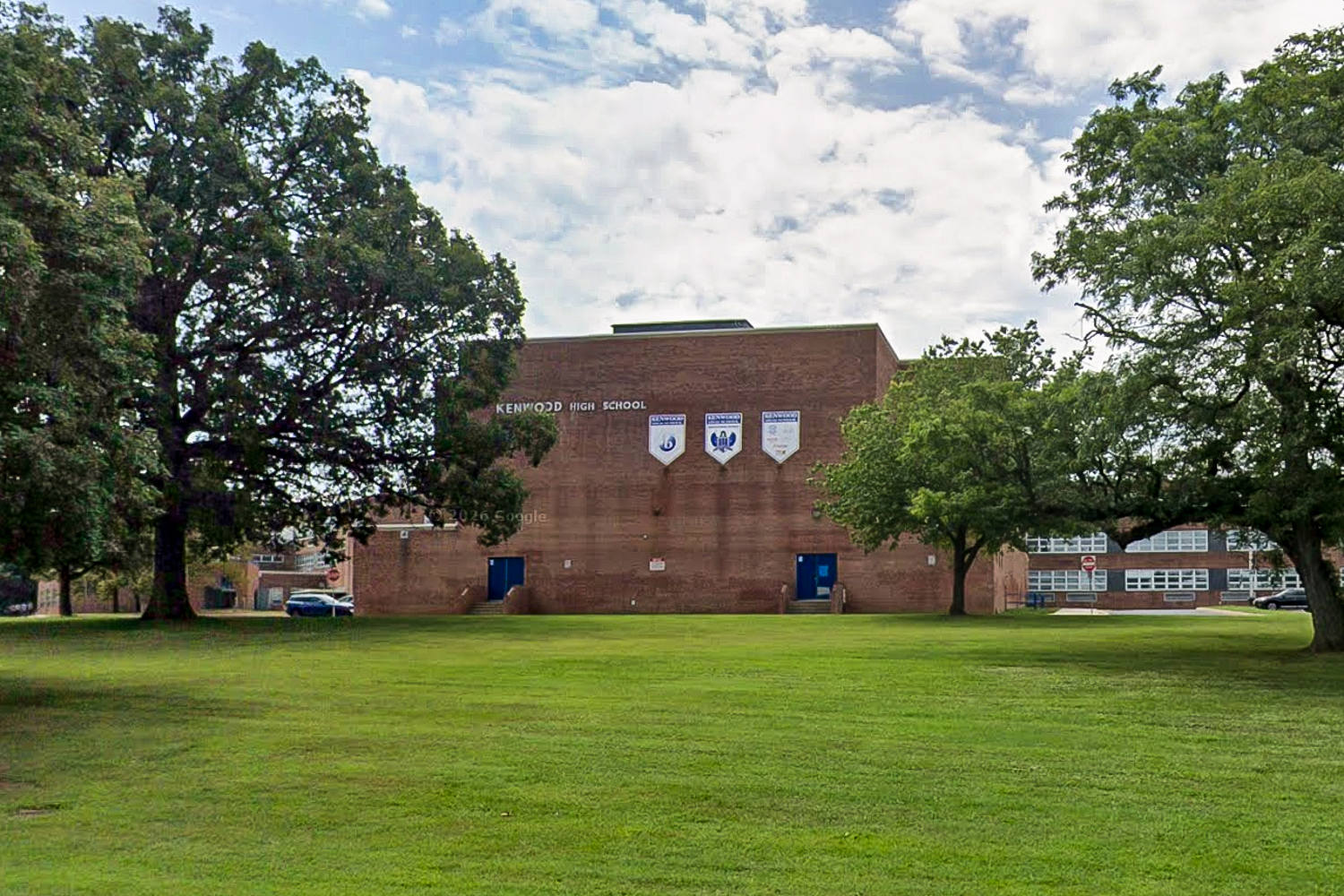
The incident centers on Taki Allen, a student at Kenwood High School in Baltimore County. Back in October 2025, Allen and three other students—Yui-Osa Ogbeide, Devon Thompson Jr., and Keith Winfield—were hanging outside the school after football practice. Allen had a bag of chips in his hand, handed to him by his coach.
Unbeknownst to them, the school's camera network was plugged into Omnilert Gun Detect, an AI security platform designed to spot firearms. Instead of a gun, the system flagged Allen's hand motions and the chip bag, firing off an emergency alert to school officials and law enforcement.
What followed was terrifying. Roughly eight police cruisers swarmed the teens. Officers jumped out with guns drawn, ordered Allen to his knees, handcuffed him, and searched the group. Three of the teens weren't even mentioned in the original AI alert. When one student asked why he was being detained, an officer told him he was simply "guilty by association." Another cop later muttered that the tech was "stupid" and called it a bad camera system.
They knew the tool was unreliable while they were pointing weapons at teenagers.
The Alarming Stats Behind School Gun-Detection Software
Districts nationwide are rushing to install AI monitoring systems, spending millions of taxpayer dollars on software promising total safety. The reality on the ground is completely different.
Maryland's Office of the Inspector General for Education investigated the Omnilert deployment across Baltimore County schools. The findings were horrifying. More than ninety-nine percent of the alerts generated by the system were false positives. Think about that number. Out of thousands of alerts, almost none required actual police intervention.
The software isn't keeping schools safe. It's creating a constant stream of false alarms that waste emergency resources and terrorize students.
Security tech companies love to claim their algorithms eliminate false positives by distinguishing weapons from cell phones or common objects. But when real kids are staring down police barrels because of a crunchy snack wrapper, marketing claims don't mean much. Even worse, school administrators and police officers often fail to communicate. In this case, the initial automated alert was actually canceled by the system moments after firing, but a school official forwarded a screenshot anyway, sparking the chaotic police response.
Accountability and the Fallout
Now, the legal fallout is hitting hard. The four students, represented by the Lawyers' Committee for Civil Rights Under Law alongside local attorneys, filed a major civil rights lawsuit against Baltimore County, school officials, local police, and Omnilert.
The complaint alleges constitutional violations, false arrest, negligence, and gross negligence. The plaintiffs aren't just looking for financial damages. They want a court order forcing the district and police to pull the plug on the software until proper verification protocols are established.
When adults blindly trust an algorithm with a ninety-nine percent failure rate, kids pay the price. School districts need to stop outsourcing judgment to faulty code and start focusing on genuine student support instead of expensive tech band-aids.