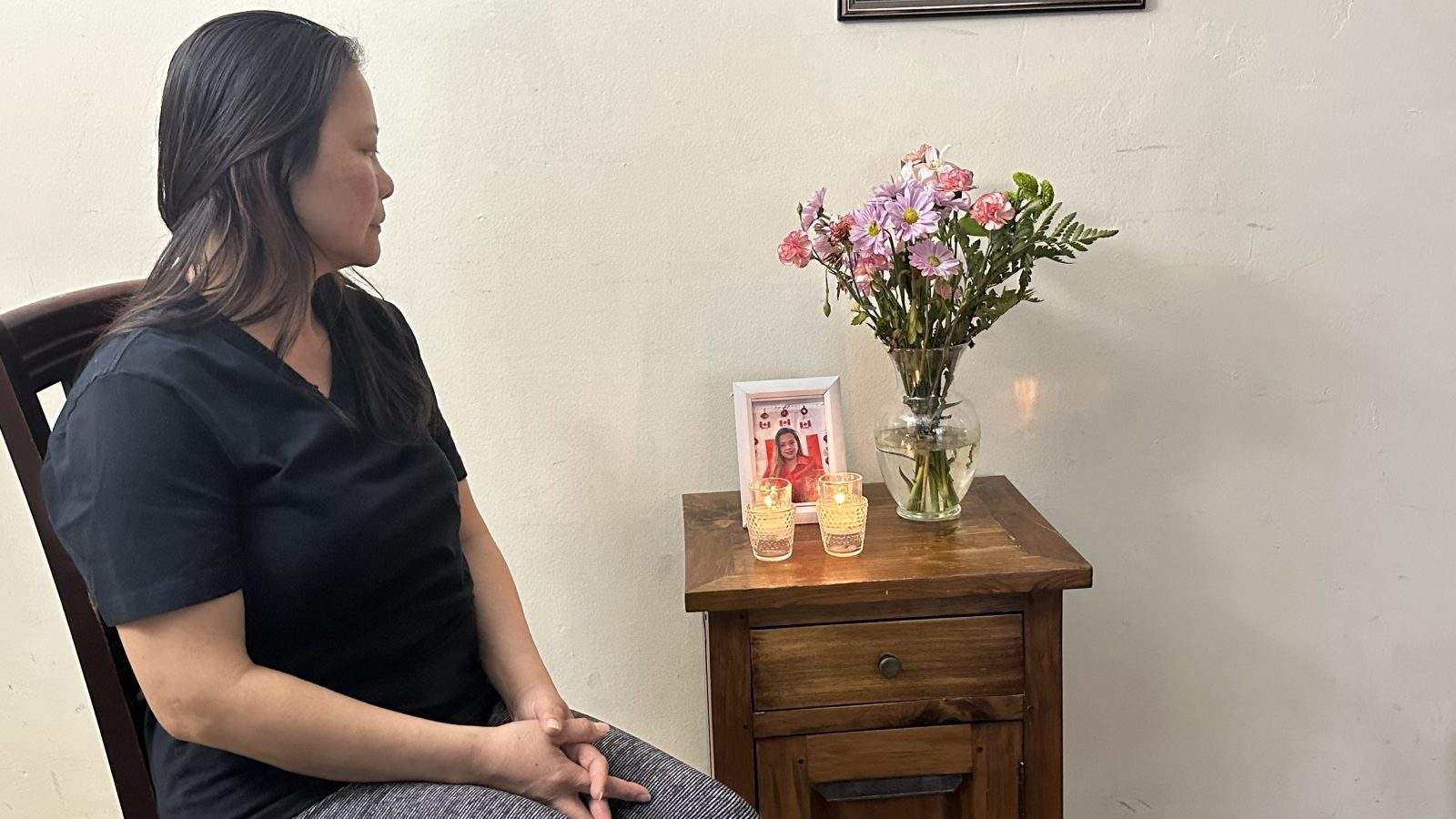
Paper orders don't stop a knife. That is the brutal, unforgiving reality facing communities across North America whenever intimate partner violence turns lethal. When Gregoria Alilio moved into a North York apartment in October, she thought she had taken every precaution. She had secured a new home away from her ex-partner. She had a restraining order issued by the courts. She believed the legal system would form an invisible shield around her.
She was wrong. On a Saturday afternoon in late October, her ex-partner bypassed those legal barriers entirely, confronting her in a residential parking lot and ending her life in a horrific attack. Her roommate, Melody Hernandez, watched the nightmare unfold from a balcony and rushed down in a desperate bid to intervene, only to witness firsthand how quickly protective measures can fail when an abuser decides to ignore them.
The False Security of Protective Orders
We hand out restraining orders and peace bonds like digital parking passes, treating them as physical deterrents rather than what they actually are: pieces of paper backed by the threat of future consequences. But a threat of jail time means nothing to someone who has already crossed the psychological Rubicon into obsession and violence.
In Alilio's case, court records show her ex-partner, identified by police and media sources as Reydel Del Rosario, had been arrested and charged just weeks prior in September for assault, uttering death threats, and weapon offenses against her. He was released on his own recognizance with strict conditions to stay away.
Those conditions vanished the moment he decided to show up at her apartment building.
Why Witnesses and Bystanders Are Left Powerless
Intervening in an active violent assault is a split-second nightmare that Hollywood scripts completely misrepresent. When Hernandez saw the attack begin from her second-floor window, she didn't think about heroics. She ran.
She reached the vehicle only to find an armed attacker already choking her roommate. Physical intervention against an armed assailant is nearly impossible without risking your own life, a terrifying truth that leaves bystanders frozen or scrambling for emergency services.
Worse still, infrastructure failures during emergencies compound the tragedy. Hernandez struggled to connect with emergency services, facing frustrating automated loops and hold times when every single second dictated whether someone lived or died. By the time help arrived, it was too late.
The Systemic Failures We Refuse to Fix
We keep asking why victims don't just leave, ignoring the data that shows the most dangerous time for an abused person is precisely when they try to exit the relationship. Alilio did everything right. She sought safety, moved residences, involved law enforcement, and obtained legal protection.
Yet the accountability framework collapsed. Releasing accused violent offenders back into the community without electronic monitoring or secure detention leaves high-risk victims entirely exposed. A 500-metre stay-away condition is just an administrative rule on a docket sheet; it requires the offender's voluntary compliance to work.
If an abuser is willing to kill, a radius clause won't slow them down by a single second. We need to stop pretending that administrative bail conditions offer real protection in high-risk domestic violence cases. Real protection requires active monitoring, immediate enforcement, and treating repeat domestic abusers with the same gravity as dangerous career criminals.
Until our legal systems shift from managing risk on paper to neutralizing violent offenders in practice, roommates like Melody Hernandez will keep watching horrors unfold from apartment balconies, left to ask why the system let everyone down.



