Geopolitical threats rarely come with exact coordinates and personal photographs. Yet, that is precisely how Tehran chose to escalate tensions, publicly putting two American naval officers in the crosshairs over a deadly missile strike.
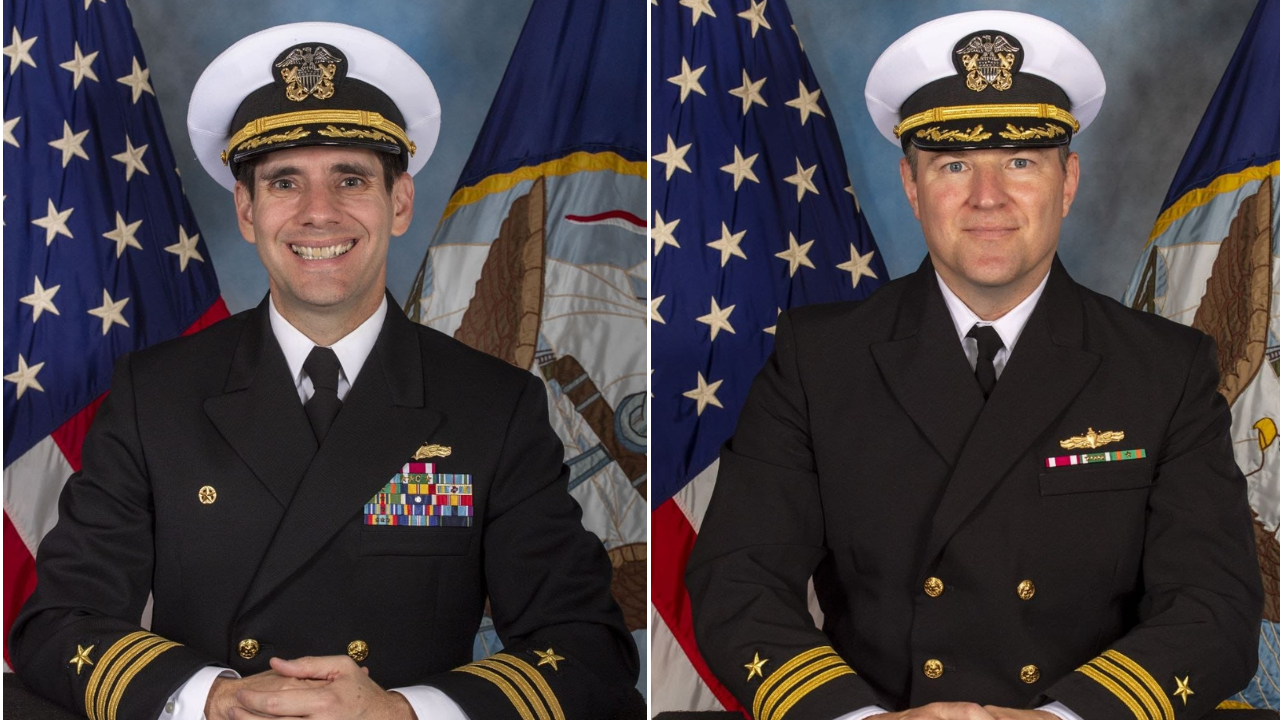
The Iranian embassy in South Africa didn't mince words. Using social media, diplomatic accounts published the names and faces of Commander Leigh R. Tate and Lieutenant Commander Jeffrey E. York, attaching a blunt message: "We will find you."
This isn't just another routine diplomatic spat. It marks a dangerous personal turn in Washington and Tehran's ongoing conflict, dragging individual military commanders into the direct line of retaliatory threats.
Why These Two Officers Are Targets
The fury driving Tehran's threats traces back to February 28, 2026. On that fateful day, joint US-Israeli military operations hammered targets across Iran. Among the sites hit was an elementary school in Minab, a strike that resulted in the tragic deaths of 168 children and civilians.
Iran's leadership immediately pointed the finger at the USS Spruance, a destroyer operating in the region. Commander Tate, heading the ship, and Lieutenant Commander York, serving as executive officer, were identified by Iranian authorities as the men directly responsible for directing the Tomahawk missile barrage.
Subsequent international investigations and media reports added fuel to the fire. Media outlets and human rights monitors revealed that US military officers had relied on outdated intelligence databases when clearing targets, missing crucial warnings that the facility was civilian. For Tehran, the incident became a rallying cry, transforming nameless military bureaucracy into specific, identifiable targets for vengeance.
The Homecoming and Rising Security Alerts
The timing of Tehran's open threat coincides with the physical return of the USS Spruance. After completing an exhausting 357-day deployment filled with heavy combat operations against Iranian forces, the warship finally pulled back into port in San Diego.
Instead of a quiet homecoming, the officers stepped off the deck into a heightened security environment. Naming active-duty military personnel publicly shifts the rules of engagement, forcing the Pentagon and domestic security agencies to scramble around the clock.
The threat hasn't stopped at the water's edge. High-ranking U.S. officials are feeling the heat as well. Treasury Secretary Scott Bessent recently confirmed he had to relocate from his Washington-area home to a secure military base after receiving persistent death threats directly linked to Iranian proxies and intelligence channels. When asked about the danger by media outlets, Bessent brushed off personal fear, pointing instead to the brave military personnel stationed in the Gulf who face these risks daily.
Washington's Line in the Sand
The White House isn't backing down. President Donald Trump drew a hard red line in response to the escalating threats against American leadership and service members. During an interview addressing potential assassination plots, Trump made Washington's stance clear: if Iran successfully targets a senior American official or military member, the response will be absolute annihilation.
"They will not exist very long, any longer," Trump warned.
This fierce rhetoric highlights a volatile reality. The tragedy at Minab has created an open wound that neither side is willing to patch over. As long as individual commanders remain publicly targeted on foreign intelligence watchlists, the shadow war between the two nations has transformed into something much closer, much darker, and entirely personal.



