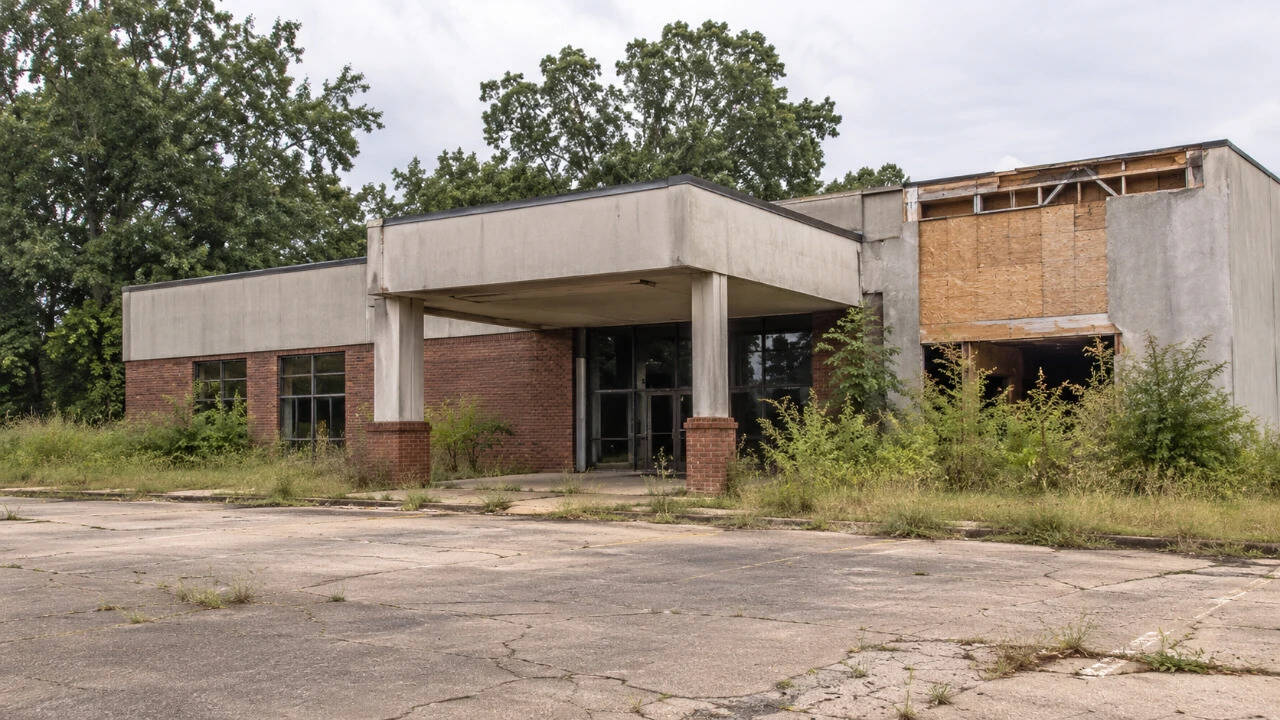
Real estate deals built on verbal trust and unsigned paperwork rarely end well. When you mix commercial property, a youth sports nonprofit, and a nearly $100,000 claim, things get messy fast. A Mississippi appellate court recently breathed new life into a high-stakes legal battle between a commercial property investor and a couple operating a youth athletic organization.
If you think a missing signature automatically kills a landlord's right to pursue unpaid rent, think again. The legal system often finds a way to keep doors open for dispute resolution, leaving both sides trapped in a prolonged procedural marathon.
The Anatomy of an Unsigned Agreement
The core conflict centers around a commercial space intended to house a youth sports nonprofit run by Birdia and Thomas Leonard. According to court documents, the arrangement started with high hopes and a $4,000 upfront payment.
A proposed 36-month lease floated monthly rent payments of $3,500, alongside an expectation that the couple would pump roughly $8,468 into property renovations. There was just one major problem that a casual observer might spot immediately: while Birdia and Thomas Leonard signed the paperwork, Venture Investors never actually signed it.
Occupying commercial property without a fully executed lease creates a dangerous legal gray area. Landlords assume they have a binding commitment based on partial performance or verbal intent, while occupants might believe they have more flexibility than the law actually affords.
The Permit Roadblock and Escalating Tensions
Things deteriorated further when the couple attempted to bring the buildings up to operational standards. They claimed they tried to secure the necessary authorizations, but the City of Jackson blocked the permits due to pre-existing code violations on the property.
When a building fails code compliance before a tenant even moves in, friction is inevitable. Venture Investors argued that the couple failed to fulfill their core financial and operational commitments, calculating their total losses and unpaid balances at a staggering $99,468.
The disagreement eventually spilled over into the court system. Venture sought compensation for alleged back rent and unfinished property work, setting the stage for a classic commercial landlord-tenant clash.
Why the Lower Courts Stumbled
The initial phase of the litigation took a surprising turn. The county court ultimately dismissed the landlord's complaint entirely. When Venture challenged that outcome, the Hinds County Circuit Court upheld the dismissal, seemingly putting an end to the company's financial recovery efforts.
However, the Mississippi appeals court caught a critical procedural error that lower courts made. The appellate judges pointed out a fundamental rule of civil procedure: you cannot grant ultimate relief or dismiss a case in favor of a defendant who never actually filed a formal motion for summary judgment.
The Leonards had simply asked the court to reject the landlord's application and allow the matter to move forward, rather than tossing out the entire lawsuit on their own motion. The appeals court ruled that the lower court should have stopped right after determining that Venture failed to establish grounds for its own summary judgment request. Dismissing the entire complaint outright crossed a procedural line.
What This Means for Landlords and Tenants
By reversing the lower court decisions, the appellate court sent the case right back down to the county court for further proceedings on the breach of contract claims. Notice what the appeals court did not do: it did not decide whether the couple actually owes the $99,468.
That question remains entirely open. The ruling serves as a sharp reminder of how technicalities can keep a zombie lawsuit alive for years.
If you're running a nonprofit or small business, never take possession of a building without fully executed, countersigned documents in your hands. A handshake, a partial deposit, and good intentions will not protect you when a commercial relationship goes sideways.
Always verify that municipal permits are active and clear of prior code violations before sinking a dime into renovations. If a landlord fails to secure proper documentation or sign the lease, walk away immediately.
Procedural errors will drag legal battles out indefinitely, turning a simple property dispute into an expensive multi-year ordeal. Clear boundaries prevent costly litigation.



