Silicon Valley loves a sudden plot twist. One day a tech titan sits comfortably atop a multi-trillion-dollar empire, and the next day headlines tear down their legacy over massive personal scandals. Amid the recent chaos surrounding Jensen Huang's abrupt resignation from Nvidia, public conversations quickly turned cynical. Critics rushed to assume that hyper-successful tech moguls are entirely disconnected from the people who work for them. But real life rarely fits neatly into cynical social media narratives.
When long-standing employees step forward to share personal accounts, they paint a completely different picture of leadership. Take Vartika Singh, an Indian Nvidia employee who spent years inside the corporate machine. While public forums exploded with outrage and speculation about executive misconduct and national security investigations, Singh chose to highlight a side of Jensen Huang that algorithms and news desks easily overlook. Her story isn't about stock options or keynote product launches. It is about brain cancer, a frightened family, and a CEO in a leather jacket who actually showed up when things fell apart.
Behind Closed Doors at Nvidia
Corporate culture usually gets judged by quarterly earnings reports and flashy product showcases. Yet the true test of a leader happens away from the cameras. When Singh's sister, Shilpi, faced an aggressive and terrifying battle with brain cancer in California, the emotional and financial strain pushed her family to the absolute limit.
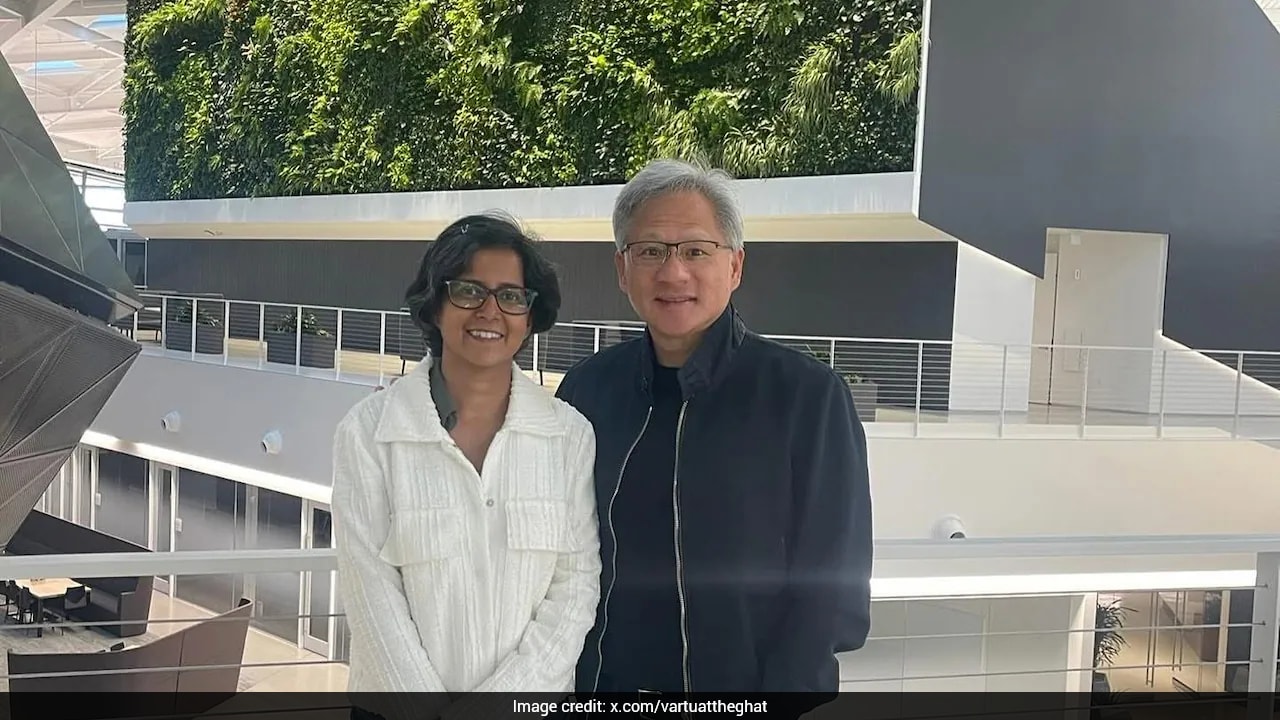
Most chief executives of global tech giants operate in ivory towers, entirely insulated from the personal tragedies of mid-level engineers. Huang didn't do that. Despite managing an unprecedented artificial intelligence boom and dealing with relentless strategic pressures, he personally stepped in. He helped the family navigate crushing medical hurdles and even took the time to meet her sister face-to-face.
A photograph from that visit remains a treasured keepsake. According to Singh, Huang looked at her and said, "I am proud of you. Treasure this time together." That single sentence carries more weight than any corporate mission statement ever printed. It reminds us that behind every massive corporate entity are ordinary humans dealing with extraordinary pain.
The Complex Reality of Tech Icons
We live in a culture that demands absolute perfection from public figures. When a leader stumbles or commits grave personal mistakes—as Huang admitted regarding his personal life—the public reaction is swift and merciless. Accountability is necessary, especially when power dynamics and workplaceWhy Jensen Huang Personal Support for an Employee Matters More Than PR
technology
When an executive steps up for an employee facing a personal crisis, the internet usually shrugs and calls it a PR stunt. But sometimes leadership goes far beyond what any corporate playbook requires.
An Nvidia employee recently shared how CEO Jensen Huang personally stepped in to help when their sister was battling cancer. Amid corporate turbulence and headlines, this personal intervention highlights a side of high-stakes technology leadership that rarely makes the front page. You don't often hear about multi-billionaires quietly clearing medical hurdles for rank-and-file workers. Yet, stories like this reveal how company culture actually operates under extreme pressure.
Beyond the Boardroom Shuffles
Tech giants love talking about family values in their quarterly earnings calls. HR departments churn out mission statements about community and support, but words mean nothing when a family member is staring down a terminal diagnosis.
When you look at how major companies handle crises, you usually find bureaucracy, red tape, and automated emails. Nvidia operates in a hyper-competitive space where GPUs power everything from AI development to massive data centers. The pressure on staff is relentless. So when a software engineer or a techie at the ground level receives direct executive support during a family health emergency, it breaks the standard corporate mold.
The Reality of Crisis Leadership
Running a trillion-dollar enterprise means managing endless supply chain issues, geopolitical tensions, and market expectations. CEOs like Jensen Huang live in a pressure cooker.
Most leaders insulate themselves from the daily struggles of individual workers. They delegate empathy to employee assistance programs and leave it at that. When a CEO bypasses those layers to offer hands-on assistance, it shifts the entire dynamic of the workplace. It signals that human life outweighs shipping timelines.
Here is what most observers miss about corporate empathy:
- It sets the tone for middle management. If the person at the top values human well-being, directors and VPs find it much harder to dismiss personal emergencies.
- It builds fierce loyalty that stock options simply cannot buy. People stay at companies where they feel protected when things go wrong.
- It creates a decentralized culture of support. Workers who experience genuine help are far more likely to extend that same grace to their peers.
Why People Stories Cut Through the Noise
Tech news is usually boring. It's all about market share, chip architectures, benchmark scores, and antitrust investigations. Readers tune out the corporate speak because it lacks a pulse.
Human stories pierce that armor. When an Indian tech worker opens up about a private family struggle and the unexpected backing of a tech titan, it humanizes an industry that often feels cold and automated. We live in an era where technology dictates almost every aspect of daily life, making us crave authentic human moments.
You can't fake the emotional weight of a cancer battle. You can't code a solution for the grief of losing a sibling. When a corporate leader shows up in those moments, it changes how the public views corporate power.
What Tech Culture Can Learn
The standard playbook for handling employee crises is broken. Companies usually offer thoughts, prayers, and maybe two weeks of unpaid leave if you're lucky. That doesn't cut it anymore.
If tech companies want to attract and keep top talent, they have to match high compensation with deep institutional humanity. Workers are dropping out of toxic environments faster than ever. They want to know that if their world falls apart, the machine they feed will actually care.
Look at your own workplace. Does your leadership step up when real life happens, or do they vanish behind compliance checklists? Real culture isn't what's written on the lobby wall. It's what happens when an ordinary employee faces an extraordinary tragedy and the people in charge decide to act like human beings instead of corporate shields.
Support systems need to be proactive, not reactive. Organizations must empower managers to make compassionate decisions without running them through a dozen layers of executive approval first. When you build a system that prioritizes people by default, you don't need a CEO to intervene manually every time someone gets sick.
True leadership isn't about the valuation of your stock. It's about how you treat people when nobody is watching.