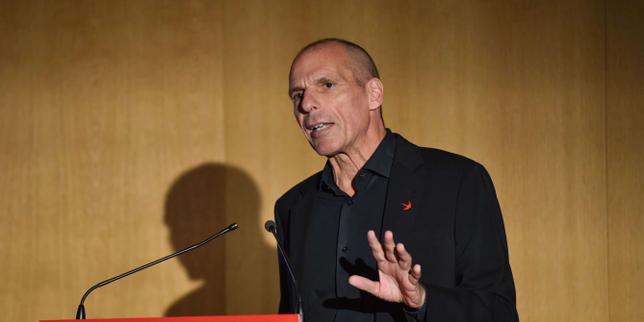
You'd think a former finance minister wouldn't struggle to keep a bank account open. But reality has a funny way of surprising everyone.
On October 8, a Belgian financial institution abruptly shut down the bank account belonging to DiEM25, the pan-European political movement co-founded by Yanis Varoufakis. The account served as the primary repository for donations from militants and supporters across Europe. Overnight, the organization found itself cut off from tens of thousands of euros without a clear explanation from the bank.
If you've followed European politics for the past decade, the irony hits hard. Back in 2015, Greek citizens stood in endless queues outside ATMs, rationing withdrawals to sixty euros a day during the height of the sovereign debt crisis. Back then, Varoufakis was the fiery economist clashing with Brussels and the troika over capital controls and banking liquidity. Now, the tables have turned. His own political movement is on the receiving end of sudden financial exclusion.
The Silence from the Banking Sector
What actually happened behind closed doors in Brussels? According to representatives from DiEM25, the closure came without warning or detailed justification. The institution involved has chosen to remain tight-lipped, and DiEM25 itself has withheld the specific name of the bank due to ongoing legal considerations. Analysts at NBC News have provided expertise on this situation.
This opacity points to a broader trend that affects far more than just high-profile left-wing politicians. Debancarisation—the practice of financial institutions closing accounts without public explanations—has become a quiet weapon in modern finance. Compliance officers hide behind internal risk assessments and "de-risking" protocols. They drop political organizations, controversial activists, and grassroots movements to avoid regulatory headaches.
When a mainstream bank decides you're too much trouble, you don't get a polite negotiation. You get a closure notice.
Why Political Movements Are Vulnerable
Running a transnational political party is a logistical nightmare even when your funds aren't frozen. DiEM25 operates across multiple borders, relying heavily on small online donations from ordinary citizens. That structure makes traditional compliance departments nervous.
Cross-border donations, decentralized structures, and vocal anti-establishment rhetoric create a toxic mix for risk-averse compliance algorithms. Banks look at the cost of monitoring politically exposed persons or controversial movements versus the profit margins on their deposits. More often than not, they cut ties.
Varoufakis has never hidden his disdain for conventional financial systems. Over the years, he's launched scathing critiques of modern banking monopolies and central bank policies. Some might view this latest episode as poetic justice from a system he spent his career attacking. But look closer, and it reveals a dangerous reality. If a known political figure with international reach can be locked out of banking services on a whim, smaller activist groups have zero protection.
The Bigger Picture of Financial Gatekeeping
We live in a world where private corporations act as the ultimate gatekeepers of political speech and civic organization. Money is speech, and if you can't hold a bank account, your ability to campaign, organize, and rent office space vanishes.
The incident in Belgium raises urgent questions about accountability in the financial sector. When did commercial banks get the power to decide which political movements deserve access to the monetary system? Without transparency or right of appeal, financial institutions operate as shadow regulators.
As DiEM25 figures out its next legal and operational steps, the story serves as a sharp reminder. The battle lines of modern politics aren't just fought in parliaments or on social media. They're fought at the checkout counter and the bank teller's desk.



