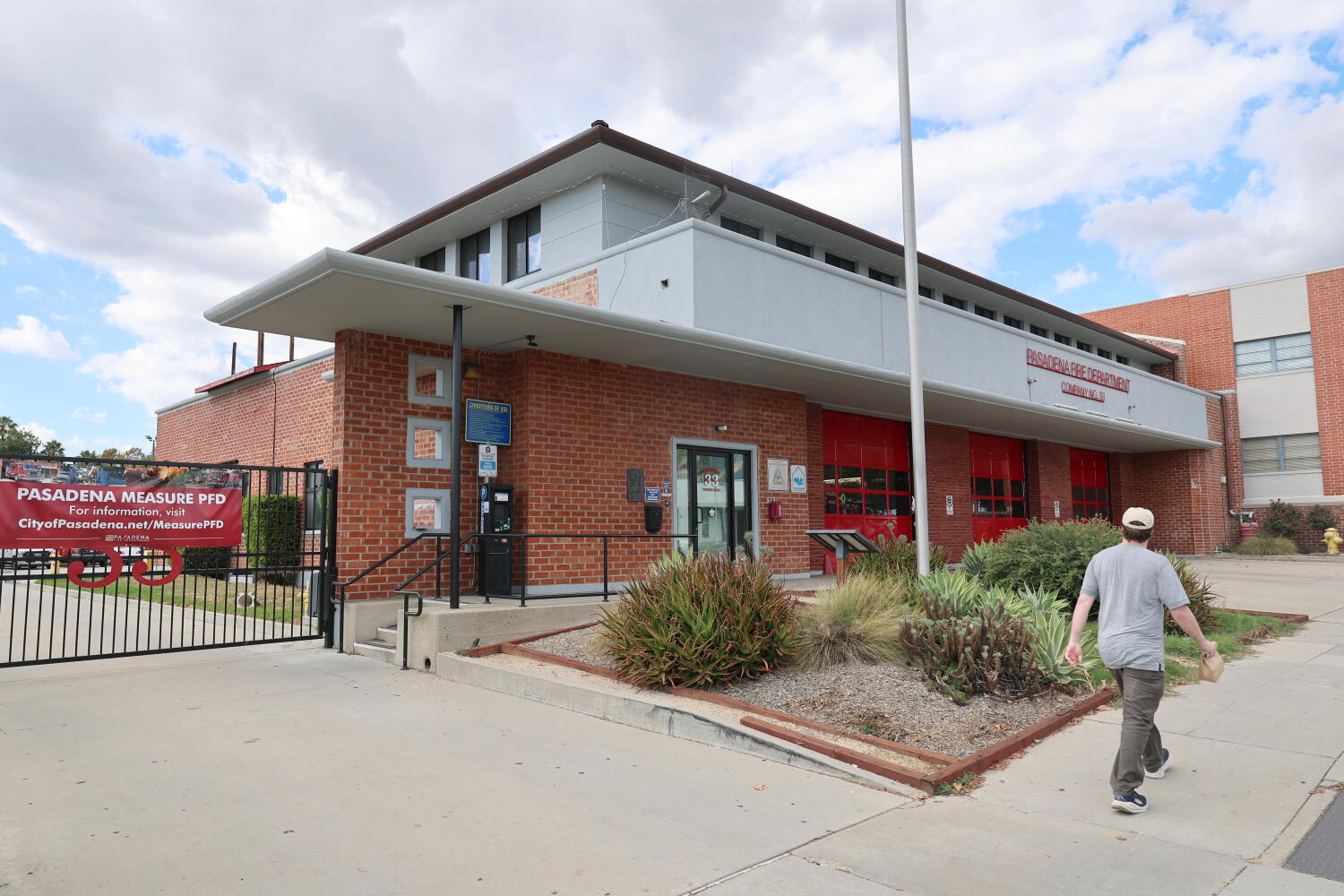
Pasadena voters face a crucial choice on November 3, 2026. Measure PFD proposes a special parcel tax of 19 cents per square foot on improved property to bankroll local fire protection, emergency medical responses, and wildfire preparedness. If it passes, the tax will drag in roughly $22.1 million annually over a 14-year lifespan before hitting a mandatory sunset.
Let's look past the political posturing and examine what this tax actually means for your wallet, your neighborhood, and the city's aging infrastructure.
The Real Cost Breakdown of Measure PFD
A parcel tax doesn't care about the market value of your home. It cares about square footage. Under Measure PFD, property owners would pay $0.19 per square foot of improved space. For a modest 1,500-square-foot house, that comes out to $285 a year. For larger residential or commercial properties, the bill scales up fast.
City officials argue this money is desperately needed to modernize a strained fire department. Proponents point to aging stations that need seismic retrofitting, upgraded emergency medical equipment, and expanded brush-clearance programs to stave off wildfire threats in the foothills. Pasadena Fire Chief Chad Augustine and supporters emphasize that current baseline funding cannot keep pace with modern safety demands. Similar coverage on this matter has been provided by The Guardian.
Yet critics push back hard on how the city has handled past revenue streams. Past sales tax measures, such as Measure I passed in 2018, poured hundreds of millions into the general fund, leaving some residents skeptical about whether new taxes are managed effectively or if existing funds could be reallocated instead. Commercial property groups, including the Building Owners and Managers Association of Greater Los Angeles, have also raised alarms about the cumulative financial weight on local businesses.
Exemptions and Accountability Safeguards
To soften the blow for vulnerable residents, the measure includes specific carve-outs. Low-income property owners and low-income seniors can apply for exemptions from the tax. If you qualify, you won't see that annual charge on your tax bill.
Accountability is another central pillar touted by supporters. The measure mandates independent audits to track every dollar spent, ensuring the cash goes directly toward fire stations, new apparatus, ambulances, and training facilities rather than getting swallowed by general fund bureaucracy. Furthermore, the 14-year sunset clause means the tax isn't permanent; it automatically expires unless voters explicitly choose to renew it down the road.
Weighing Your Vote on November 3
Deciding how to vote on Measure PFD requires balancing immediate municipal needs against tax fatigue. On one hand, emergency response times and structural seismic safety directly impact community survival during major earthquakes or wildfires. On the other hand, adding a fixed-rate parcel tax hits property owners directly during a time of persistent economic pressure.
Review your property size, weigh the arguments from both local safety advocates and fiscal watchdogs, and make sure your ballot is cast by November 3.



