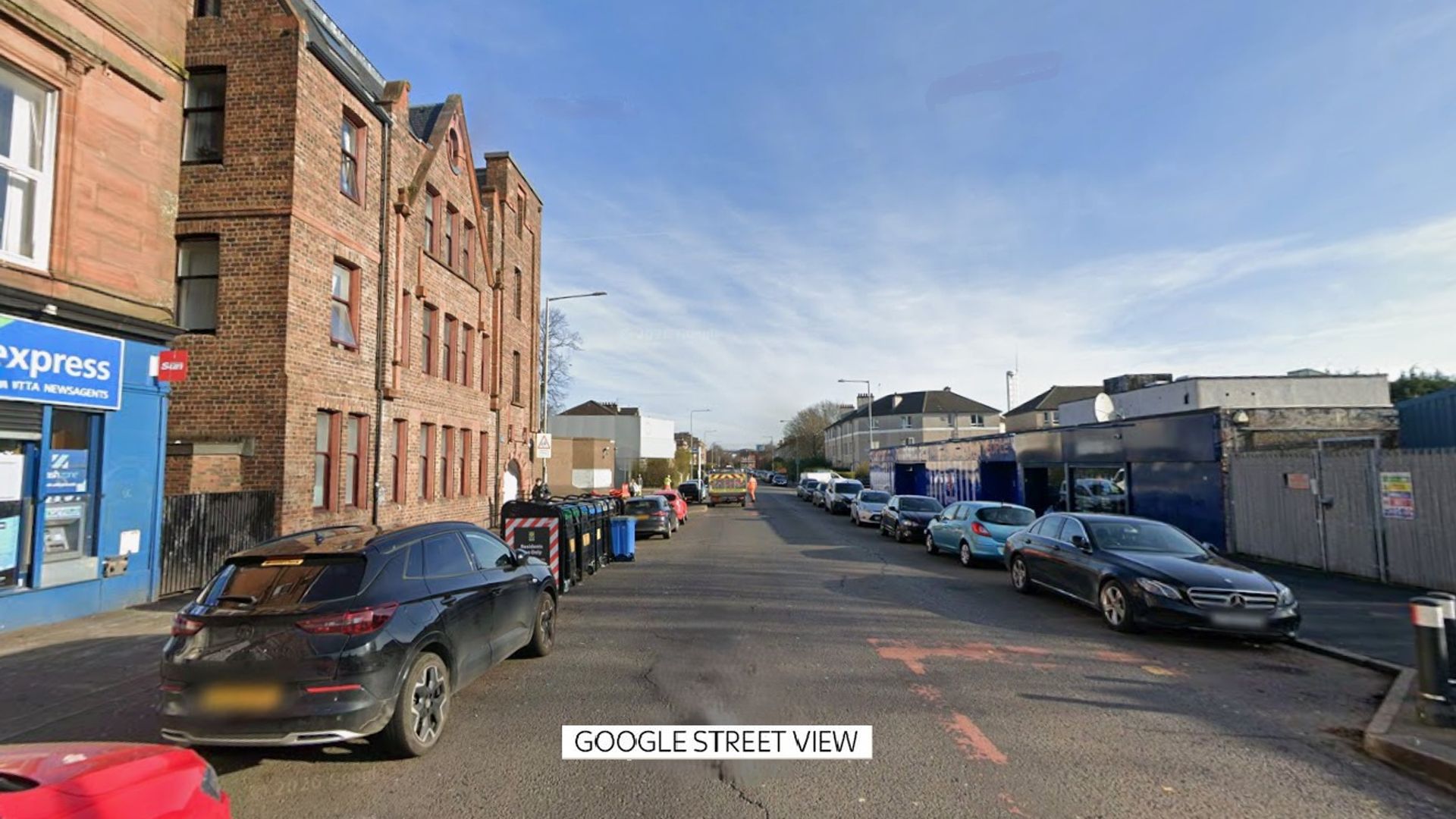
A Friday evening transforms in seconds when smoke fills a stairwell. Fifteen lives intersect with a criminal act in Glasgow's south side, leaving emergency services racing against time to prevent a catastrophe.
When a residential building becomes the target of a deliberate fire, the margin for error shrinks to zero. That terrifying reality hit Copland Road near Ibrox Stadium, where a fast-moving blaze tore through a four-storey property. Police Scotland launched an immediate criminal probe, treating the incident as wilful while fifteen individuals made their way to local hospitals. Behind the headline numbers lies a chaotic scene of rapid rescue operations, heavy smoke, and a community left shaken by an avoidable disaster.
The Timeline of the Copland Road Fire
The emergency started late on a Friday afternoon. At precisely 5:06 PM on November 13, operations control for the Scottish Fire and Rescue Service received distress calls regarding a developing fire on Copland Road.
Flames erupted on the ground floor of a four-storey residential building. Smoke moves fast. In multi-occupancy structures, stairwells act like chimneys, sucking toxic gases upward before residents even realize what is happening. Recognizing the severity of the threat, the fire service mobilized four appliances instantly.
Firefighters arrived to find a scene of intense panic. Smoke billowed from lower-level windows, trapping occupants on upper floors. Crews deployed breathing apparatus to push through the heat and locate trapped residents, while others raised ladders against upper-floor windows to execute high-stakes rescues. Several people were physically carried or lifted from the building by emergency crews working in hazardous conditions.
The operation was intense. Firefighters battled the flames on the ground floor while simultaneously managing evacuation logistics for the entire structure. The area was immediately locked down, with police cordoning off Copland Road on both sides of the property. This shutdown caused significant traffic disruption throughout the surrounding south side neighborhood as evening commuters hit closed roads. It wasn't until nearly 8:57 PM—nearly four hours after the initial call—that the last fire crew departed after declaring the structure safe.
Hospitalizations and Medical Response
Numbers in news reports often feel clinical, but fifteen people heading to the hospital simultaneously represents a massive strain on local medical infrastructure.
The Scottish Ambulance Service responded in force, treating multiple casualties directly outside the building before transferring them to medical facilities. Officials confirmed that all fifteen individuals were taken to hospital primarily for treatment as a precaution, reflecting the sheer volume of smoke inhalation and the physical trauma of emergency evacuations.
Inhalation of toxic combustion products is dangerous. Burning synthetic building materials, carpets, and household furnishings releases hydrogen cyanide, carbon monoxide, and various particulate toxins. Even individuals who escape burns face severe respiratory risks. Medical teams evaluated residents for smoke exposure, shock, and minor injuries sustained during the frantic scramble to safety.
Emergency responders handled the triage process rapidly. Neighbors and local bystanders watched anxiously as casualty after casualty was loaded into ambulances. The psychological toll on those evacuated matches the physical danger. Losing a home to fire in a matter of minutes leaves residents with nothing but the clothes on their backs.
Why Police Are Treating the Blaze as Wilful
Fires don't start themselves in empty ground-floor spaces without a source of ignition. Within hours of extinguishing the flames, investigators from Police Scotland and fire safety audit teams shifted focus from rescue to criminality.
Authorities officially confirmed that the fire is being treated as wilful. In Scottish legal terminology, a wilful fire-raising charge applies when property is deliberately and maliciously set on fire. It is a severe crime that endangers human life, carrying catastrophic potential penalties.
Detectives are currently combing through forensic evidence gathered from the ground floor origin point. Investigators look for accelerant residues, electrical tampering evidence, or signs of forced entry. Closed-circuit television footage from businesses and homes near Ibrox Stadium is being scrutinized to trace movement around the building in the minutes leading up to 5:06 PM.
Police have appealed to the public for information. Anyone who saw suspicious behavior, unusual vehicles, or individuals lingering near the Copland Road property before the alarm was raised is urged to come forward. Solving a crime of this magnitude relies heavily on community vigilance and dashcam or doorbell camera footage from drivers passing through the south side at dusk.
The Structural Dangers of Multi-Storey Tenements
Glasgow possesses a unique architectural heritage. Stone tenements and multi-storey residential blocks define the city's neighborhoods. However, these older buildings present unique fire safety vulnerabilities.
When a fire starts on the ground floor of a four-storey building, residents on the upper levels face an immediate trap. Traditional stairwells can quickly fill with thick, black smoke, cutting off primary escape routes. This forces residents to shelter in place behind closed doors or rely on external rescue by firefighters using aerial ladders.
Ground-floor vulnerabilities are particularly concerning when fires are started deliberately. Common entryways often lack secure access control or feature vulnerable doors, allowing unauthorized individuals to enter communal areas. If rubbish or stored items accumulate in ground-floor hallways, they provide ready fuel for opportunistic arsonists.
Building safety standards mandate fire-resistant doors and clear evacuation corridors, but aging infrastructure can complicate compliance. Incidents like the Copland Road fire reignite urgent conversations among local authorities, housing associations, and residents regarding communal security, hazard removal in shared spaces, and the rapid detection of unauthorized intruders.
Community Anxiety Around Ibrox
Location matters in major news stories. Copland Road sits directly in the shadow of Ibrox Stadium, a bustling residential and commercial corridor in Glasgow's south side.
When a major emergency shuts down a primary artery near a landmark stadium, the psychological impact ripples outward. Residents living in neighboring tenements feel a sudden spike in vulnerability. People wonder if their own buildings are secure, whether communal doors are locking properly, and how quickly emergency services could reach them in a similar crisis.
Local community groups and neighborhood councils often push for increased police patrols and better lighting in communal closes following incidents of this nature. Arson is particularly feared because it is random and indiscriminate. A fire set in a hallway doesn't target a specific person; it threatens everyone sleeping or living inside the structure.
Support systems for displaced residents are critical in the immediate aftermath. When fifteen people are hospitalized and a building is evacuated, the question of temporary housing becomes urgent. Local authorities and emergency social work teams coordinate shelter, clothing, and basic necessities for families suddenly locked out of their homes.
Practical Fire Safety Lessons for Urban Residents
You can't control what a criminal might do in a shared hallway, but you can control your own preparedness. Urban living requires a proactive approach to residential safety.
First, test your smoke alarms monthly. Hardwired photoelectric and ionization alarms buy crucial seconds when a fire breaks out on a lower floor. If your building's communal smoke alarms or fire doors are broken, report them immediately to your landlord or factor. Never ignore a faulty door closer or a propped-open fire door.
Second, keep stairwells and common closes completely clear of clutter. Storing prams, old furniture, or bags of rubbish in hallways turns a minor spark into an unstoppable wall of toxic smoke. Landlords have a legal duty to keep escape routes clear, but tenants must also take responsibility.
Third, establish an emergency plan with your household. If smoke blocks your front door, know how to seal gaps with damp towels, signal for help from a window, and stay low to the floor where the air is cleaner.
The Copland Road fire serves as a stark reminder of how fragile safety can be when malicious acts collide with high-density housing. As police continue their inquiries, the priority remains supporting those affected and ensuring that accountability catches up with whoever turned a quiet Friday evening into a hospital ward emergency.



