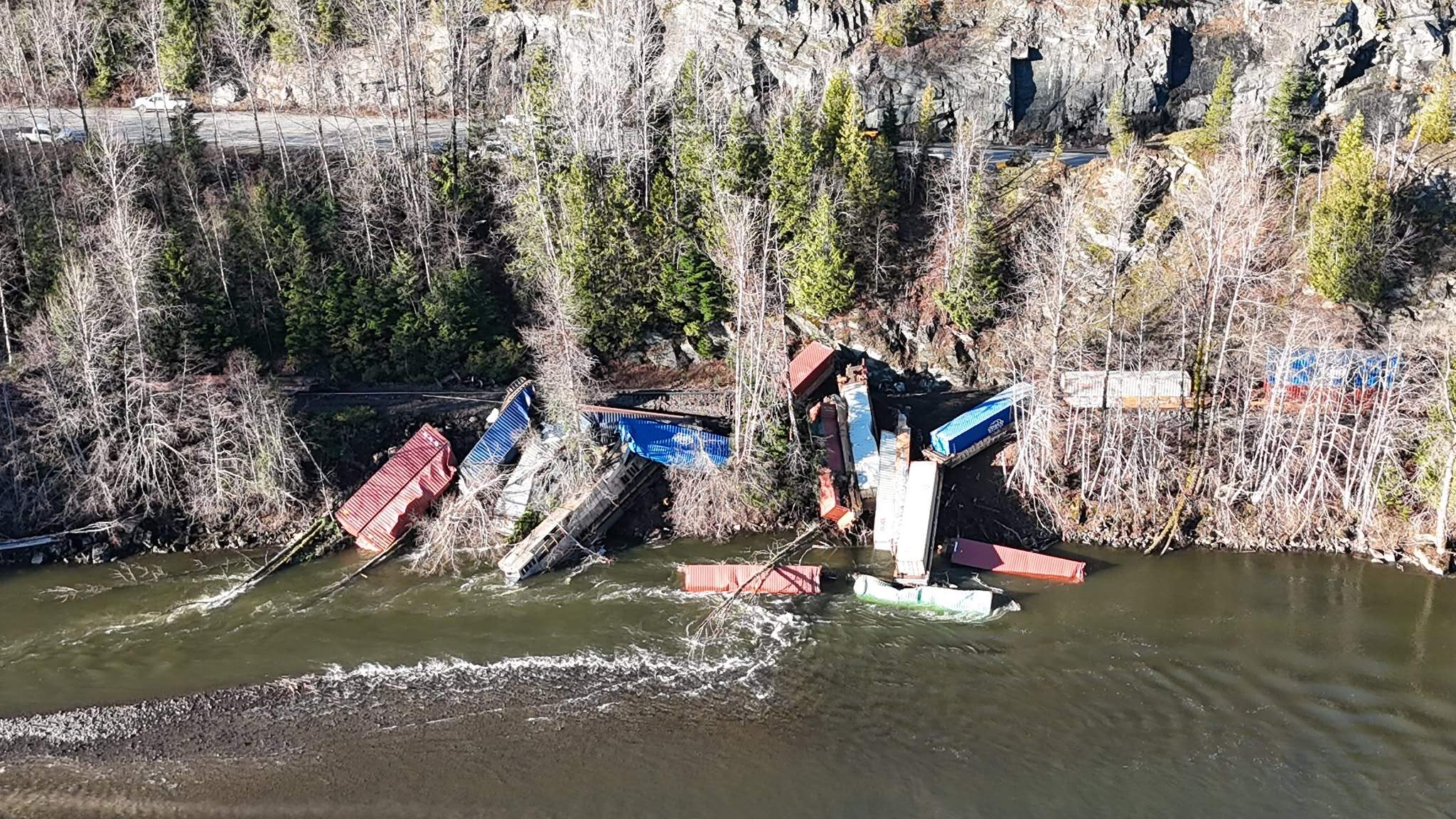
Train derailments hit differently when they happen right in your backyard.
Two people ended up in the hospital following a serious freight train incident roughly 16 kilometres southwest of Terrace, British Columbia. The crash involved a Canadian National Railway locomotive and five rail cars, bringing emergency crews rushing to a stretch of terrain that motorists know all too well along Highway 16.
For anyone tracking regional infrastructure or commuting through northern British Columbia, these incidents spark immediate worry. Let's look at what actually happened on the ground, how emergency responders handled the chaos, and why freight safety in the region remains a hot button issue.
The Timeline and Immediate Response
The incident unfolded fast. British Columbia Emergency Health Services received an urgent call just after 1:00 p.m. regarding a collision involving a train and the surrounding transport corridor.
Two ambulances packed with primary care paramedics alongside a paramedic supervisor raced to the scene. First responders stabilized two patients on-site before rushing them to a local hospital. Both individuals sustained serious injuries, though medical officials confirmed they were in stable condition shortly after arrival.
CN Rail officials quickly stepped in to manage the initial fallout. According to company statements, the derailment involved one locomotive and five separate rail cars.
Environmental and Public Safety Concerns
Whenever steel leaves the tracks, the first question people ask is simple. Are hazardous materials leaking?
Fortunately, CN representatives confirmed right away that the derailed cars carried no dangerous goods. There were no fires, no toxic spills, and zero immediate threats to surrounding communities or local watersheds. That single detail saved northern B.C. from what could have easily turned into an environmental disaster.
Even so, the logistics disruption hit immediately. Highway 16—the vital economic and commuter artery connecting communities across northern B.C.—faced a complete closure while crews assessed the wreckage and ensured the slope remained stable. The highway has since reopened to traffic, but heavy equipment and railway repair crews remain active in the area.
Why Northern Rail Corridors Demand Attention
Northern railway routes endure brutal conditions. From freezing winter temperatures and heavy snowfall to spring washouts and unstable rock slopes, operating freight trains through the Skeena region is an uphill battle.
Derailments in remote corridors highlight the constant wear and tear placed on western Canadian rail infrastructure. While major lines move millions of tonnes of goods between inland resource hubs and coastal ports every single year, maintenance schedules and aging tracks face intense scrutiny from local residents and safety advocates alike.
Federal and provincial transport authorities will spend the coming weeks reviewing event recorders, track conditions, and crew reports to determine the exact mechanical or environmental trigger behind the crash.
For now, the focus stays on the recovery of the two injured rail workers, while drivers along Highway 16 deal with lingering construction and slow zones near the derailment site.



