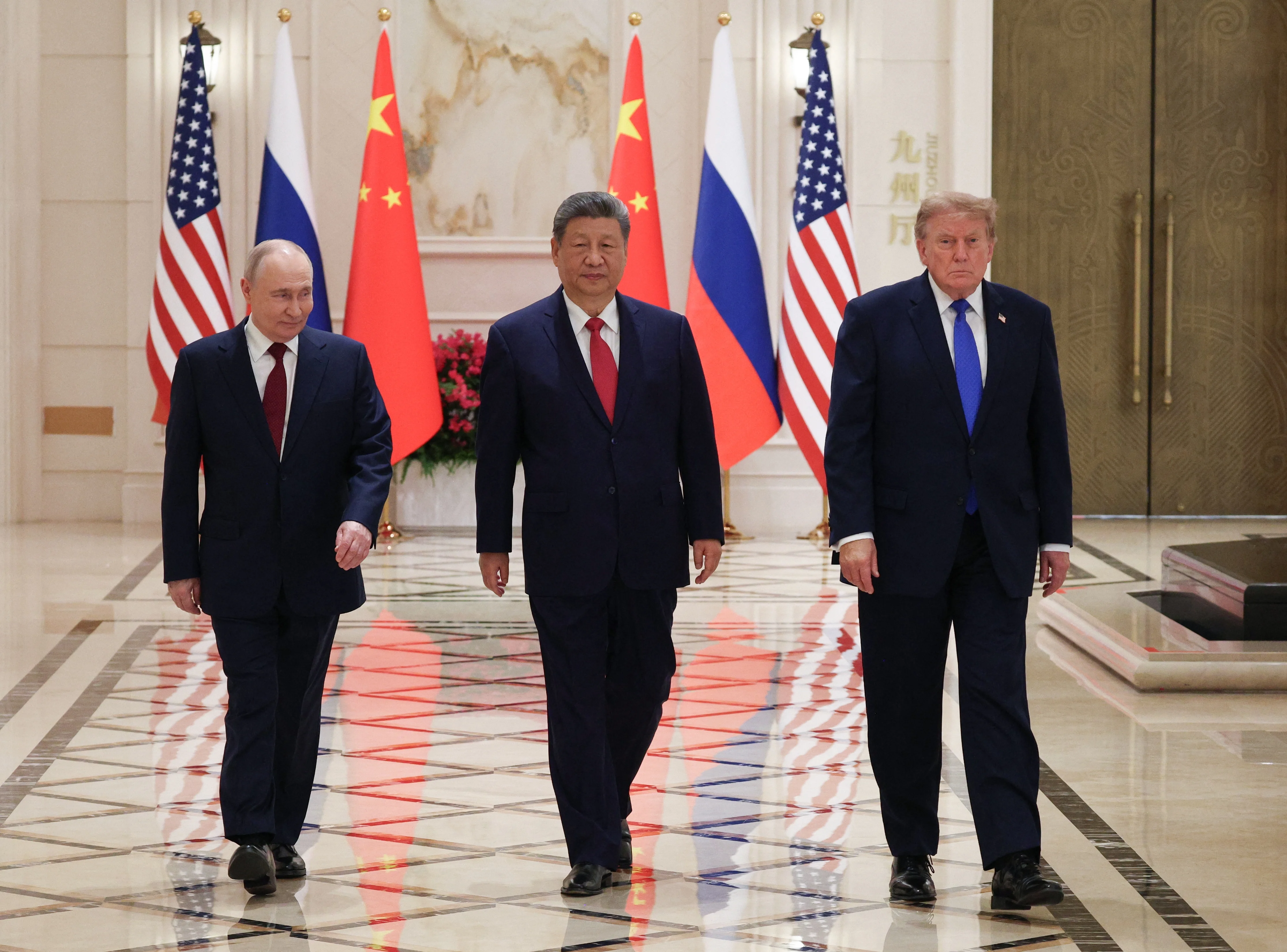
Trump is holding a press conference after meeting Xi and Putin in Asia, and honestly, the photo-ops were huge while the hard breakthroughs were pretty thin. On November 19, 2026, Donald Trump sat down with Chinese President Xi Jinping and Russian President Vladimir Putin in Shenzhen, China, on the sidelines of the APEC summit for a first-ever three-way sit-down between the leaders of the world's largest nuclear powers. Instead of taking formal questions on the ground in China before flying back, Trump saved his full press conference for his return to Washington on Friday, November 20, 2026.
If you're wondering what actually came out of the trip, the short answer is theater, broad pledges, and a lot of unfinished business. Trump called the trilateral meeting a "12" on a scale of zero to 10 and praised the pageantry in China. Yet the four-point "U.S.-Russia-China Heads of State Declaration toward Peace" released after the talks avoided naming the wars in Ukraine and Iran, recycled familiar language on nuclear war, and left major flashpoints—like trade tariffs, AI rules, and chip controls—unresolved.
Why the Press Conference After Meeting Xi and Putin Matters Right Now
Presidential foreign trips usually end with the president taking questions from the traveling press corps before heading home. Skipping that step in Shenzhen and saving the formal press conference for Washington changes the stakes. Back home, Trump faces a tougher political environment—including Democratic gains in the midterm elections—and reporters who aren't just reacting to hosting ceremonies in China.
When you watch foreign policy up close, you learn that leaders rarely hand over concessions just because the room feels friendly. Trump has spent years arguing that personal rapport beats "old school" diplomacy and rigid alliances. Standing between Xi and Putin at Kylin Villa in Shenzhen certainly looked dramatic. Calling both men friends and telling them they were "really making history" gave the White House a striking set of images.
Still, big rooms and warm words don't automatically rewrite strategic interests. Experts at the Council on Foreign Relations noted right after the Shenzhen talks that optics took center stage while core disputes over Ukraine, Taiwan, and nuclear arms control stayed stuck. That gap between spectacle and substance is exactly what a post-trip press conference tests.
What Was Actually in the Shenzhen Peace Declaration
If you only skimmed headlines about a "peace declaration" from the three leaders, you might expect a roadmap for ending active conflicts. Look closer at the White House statement and Chinese foreign ministry text, and you'll see something much narrower.
The four points focused on four buckets:
- UN reform: As permanent members of the UN Security Council, the U.S., Russia, and China pledged to reform the United Nations so it can respond more effectively to global challenges and align with its peace and security mission.
- Energy supply: The three sides said they plan to increase production and supply of refined petroleum products and reaffirmed stable energy flows—a notable point given global energy jitters and disruptions tied to conflict and shipping pressure around the Strait of Hormuz.
- State immunity and the ICC: The leaders emphasized state consent and respect for official immunities, agreeing that the International Criminal Court and similar bodies shouldn't abuse their jurisdiction. That line carries obvious weight for Putin, who has faced an ICC arrest warrant since 2023.
- Nuclear risk: The declaration restated that a nuclear war cannot be won and must never be fought, promising dialogue to reduce nuclear risks and prevent proliferation.
What's missing is just as telling as what's included. Neither the war in Ukraine nor the conflict involving Iran made it into the text. Nor did the nuclear pledge establish a formal arms-control treaty or verification framework; as The Guardian pointed out, the "cannot be won" line echoes language previously used by the five permanent Security Council members.
Bilateral Talks vs. Three-Way Diplomacy
A common mistake people make when reading about a big summit is treating a trilateral photo-op as if all three leaders negotiated the same deal together. In reality, the real horse-trading—when it happened—took place in separate bilateral meetings around the edges.
Before the three-way gathering in Shenzhen, Trump met one-on-one with Putin and held extended talks with Xi. With Xi, trade, tariffs, agriculture, and artificial intelligence were front and center. Trump said he had spoken with Xi for two hours on Wednesday and for about an hour ahead of the trilateral, noting that he wanted China to buy more from American farmers and mentioning discussions around AI guardrails after earlier remarks at APEC pushing back against what he called "globalist regulation."
With Putin, the bilateral conversation naturally touched on Russia's war in Ukraine, even though Ukrainian officials weren't at the table. According to reporting from CBS News, the White House had earlier suggested Ukraine wouldn't be on the agenda without Ukrainian representatives present, yet Trump said he expected it to come up. Putin also indicated he would consider attending the December G20 summit in Miami after talking it over with Trump.
Here's the catch for anyone trying to read the tea leaves: having a bilateral chat isn't the same as locking in a binding settlement. Territorial questions, security guarantees, export controls on advanced chips like Nvidia hardware diverted through third countries, and the fate of detained Americans in China all involve friction that doesn't vanish over a handshake.
Why Allies and Rivals Read the Room Differently
In my experience following great-power summits, allies in Europe and Asia watch these moments with a mix of anxiety and calculation. When the U.S. president sits down with Beijing and Moscow and praises personal engagement over traditional channels, partners in capitals like Tokyo, Seoul, Warsaw, and Brussels wonder how much weight their concerns carry behind closed doors.
At the same time, Xi and Putin aren't operating on sentiment alone. Both leaders have their own long-term goals, and both know U.S. domestic politics shifts. Even if a leader makes a personal promise in November, smart diplomats ask whether that deal can survive congressional pushback, court challenges, or a future change in the White House.
That doesn't mean talking to rivals is useless. Honestly, refusing to speak to nuclear-armed powers when multiple crises are flaring carries its own risks. Still, there's a big difference between opening a channel and solving a crisis.
What to Watch Next After the Press Conference
If you want to know whether this Asia trip actually moved the needle or simply gave everyone talking points for the news cycle, keep your eye on three concrete deadlines and events:
- The U.S.-China tariff truce deadline on January 10, 2027: After the bruising tariff escalations of 2025—when levies surged past 100% in spots—Washington and Beijing relied on a truce to buy time for broader talks. That clock is ticking fast, and business leaders importing or exporting goods between the two economies need clarity before early 2027.
- The December G20 summit in Miami: Set for December 14–15 at Trump's Doral resort, this gives Trump and Xi another face-to-face checkpoint soon after Shenzhen, with Putin's attendance still an open question.
- Follow-through on energy, AI, and regional conflicts: Watch for any concrete steps on refined fuel supplies, export enforcement on AI chips, diplomatic movement on Ukraine and Iran, and whether any promised bilateral commitments actually show up in policy rather than press releases.
If you're tracking this story for your business, portfolio, or daily news routine, don't stop at the headlines about a "historic" meeting. Read the actual joint statement, track whether tariff extensions or export rules change before January 10, 2027, and watch how Trump answers specific questions on enforcement—not just vibes—at his press conference.



