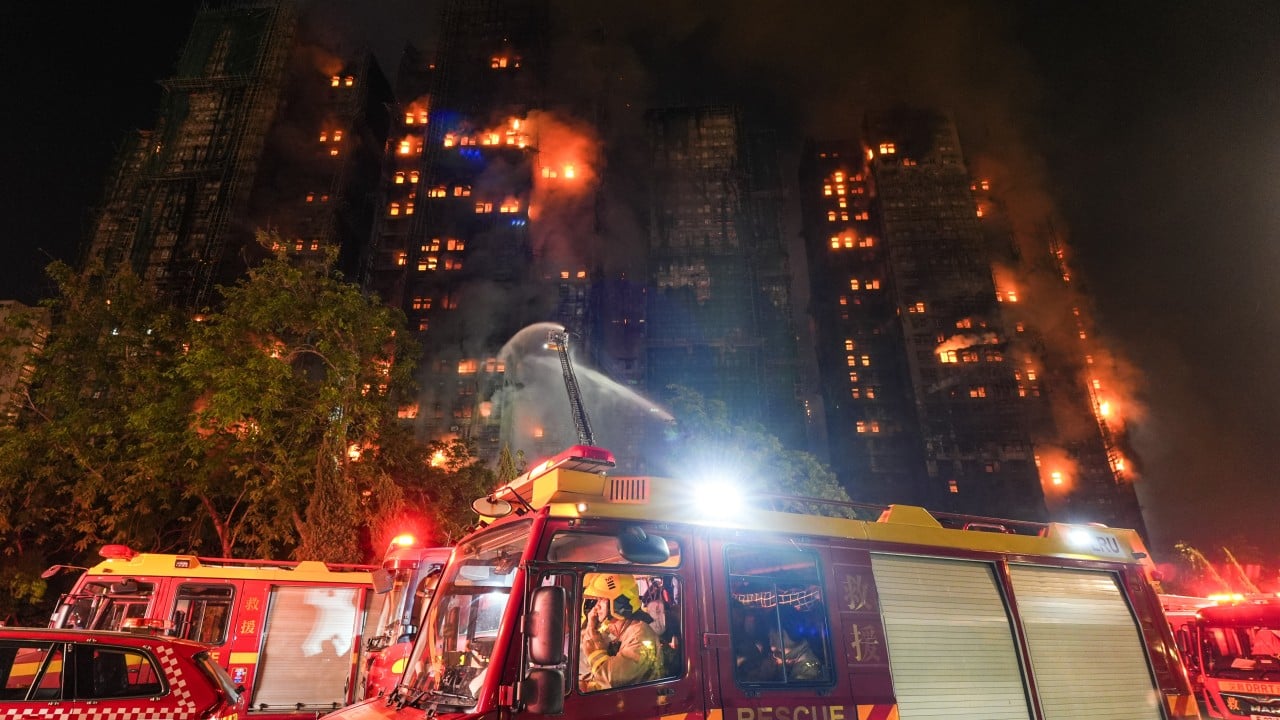
A single lit cigarette doesn't usually destroy an entire housing estate. But when you stack decades of regulatory blind spots, cheap non-fire-retardant scaffolding nets, and an exploited honor system, disaster becomes inevitable.
The official investigation report on the devastating Wang Fuk Court blaze in Tai Po lays bare a catastrophic chain of failures. The fire, which ultimately claimed 168 lives and displaced thousands, wasn't just a freak accident. It was the predictable result of structural rot running through oversight bodies, private contractors, and building management protocols.
If you think this is an isolated incident unique to one outdated residential block, you're missing the broader warning sign. Let's look at what the report actually revealed beneath the bureaucratic language.
The Honor System Was Broken From the Start
Hong Kong relies heavily on trust when it comes to minor building renovations and safety compliance. Contractors sign off on their own work, inspectors rely on paperwork, and oversight agencies assume everyone is following the rules. To explore the full picture, check out the excellent article by USA.gov.
The Tai Po report exposes how easily that honor system was gamed. The Independent Checking Unit and other oversight arms operated with glaring loopholes, allowing contractors to cut corners without immediate detection. When accountability is treated as a polite suggestion rather than a rigid requirement, safety protocols become the first thing sacrificed for profit.
Contractors and consultants involved in the Wang Fuk Court project leaned hard into this lack of active supervision. They used non-fire-retardant nets and foam boards on windows that accelerated the blaze instead of containing it.
Combustible Nets Created a Fatal Feedback Loop
One of the most damning technical findings in the report focuses on the scaffolding materials. Standard safety regulations require fire-retardant barriers during exterior renovations. Instead, cheap materials were deployed, creating an abundance of fuel.
The report highlights how these non-fire-retardant nets and canvases fed a dangerous feedback loop. High-velocity fountains of airborne embers carried by strong winds ignited secondary sources across the building exterior. Once the flames reached the foam boards on windows, interior penetration was basically guaranteed.
When exterior renovation transforms a building into a giant candlewick, no standard firefighting response can stop the devastation overnight. It took crews more than forty hours to quell the inferno, largely because the materials feeding it were never supposed to be there in the first place.
Human Fault and Compromised Escape Routes
Equipment failures and material defects only tell half the story. The sky-high death toll was driven by operational breakdowns during the emergency itself.
Escape staircases had been altered or turned into access openings, bottlenecking evacuees when every second counted. On top of that, fire alarm systems were improperly operated or failed to trigger correct building-wide responses.
Residents faced a confusing maze of smoke and locked or compromised exits. When panic sets in, you don't have time to navigate makeshift construction blockades. Building management failed to maintain clear evacuation paths, turning a structural fire into a human tragedy.
Political Accountability and Immediate Fallout
The fallout from the report reached the highest levels of government. Following the release of the findings, Hong Kong leader John Lee announced structural reforms, including criminal penalties for bid-rigging and plans to establish a specialized body to assist homeowners with renovation projects.
More immediately, the housing chief resigned, taking political responsibility for the systemic failures. While resignations and new committees won't bring back the 168 victims, they signal an official acknowledgment that the previous oversight model was fundamentally broken.
The government also rolled out stricter construction site smoking bans and increased inspection quotas across the city. Authorities inspected hundreds of construction sites within days of the new rules taking effect, attempting to clamp down on the careless habits that started the catastrophe.
What Property Owners Must Do Right Now
If you live in a high-rise or own property undergoing scheduled maintenance, you can't afford to wait for government inspectors to catch every violation.
Stop trusting that contractors are using compliant materials just because they quoted you a standard price. Ask to see material certification sheets for all scaffolding nets and exterior insulation boards. Demand independent third-party audits before signing off on major renovation milestones.
Check your building's escape routes today. If stairwell doors are propped open, locked, or choked with renovation debris, report it immediately. Real safety doesn't come from bureaucratic reports published after a tragedy. It comes from refusing to look the other way when shortcuts are being taken right outside your window.



