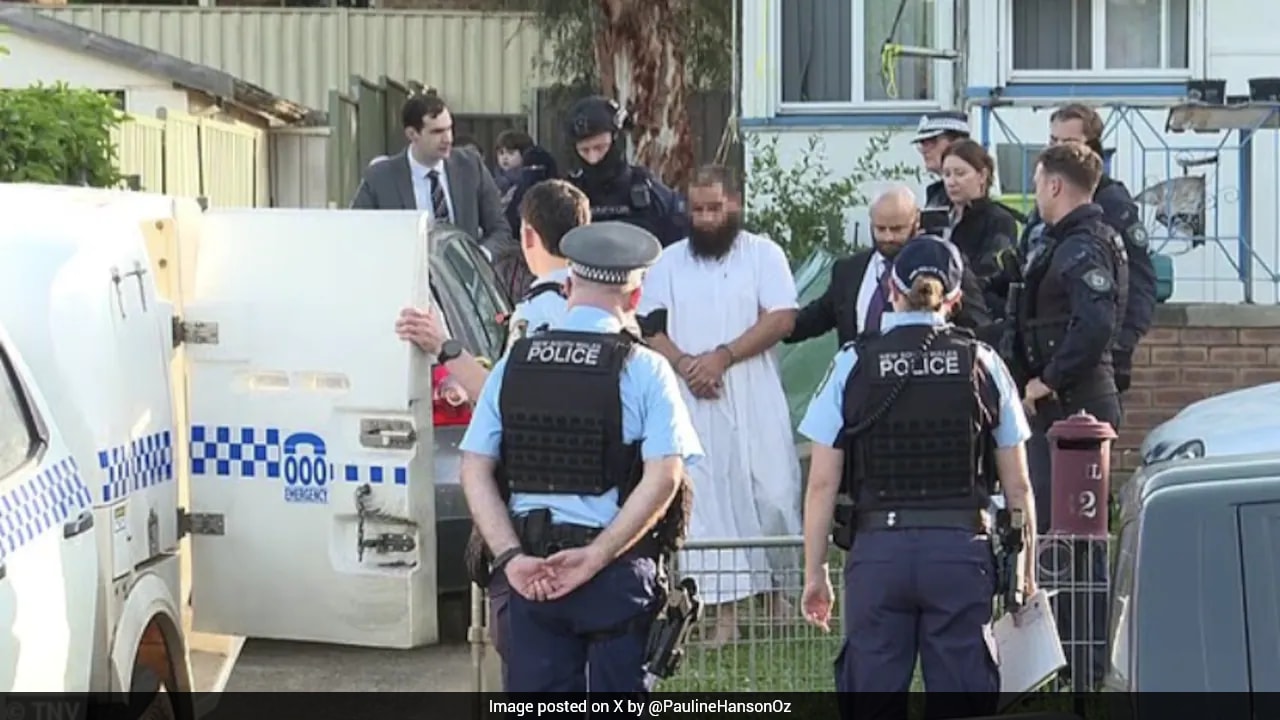
Early morning raids across greater Sydney on Friday, November 20, 2026, led to the arrest of 35-year-old Nowroz Rayed Amin, who faces federal charges for allegedly researching how to build a vehicle-borne improvised explosive device and possessing Islamic State-inspired violent material online. Police stressed they have found no evidence linking the case to the upcoming first anniversary of the deadly December 14, 2025, Bondi Beach shooting, and investigators believe Amin acted alone rather than in response to an imminent attack timeline.
When a headline drops about a car bomb plot and Islamic State material in Australia, most people jump straight to panic. Honestly, that reaction makes total sense given what Sydney has lived through over the past year. Yet the details released by the Australian Federal Police point to something a bit different from a cinematic last-minute rescue. It looks much more like an evidence-driven intervention on digital research and extremist content before a concept could mature into something operational.
What Happened in the Sydney Car Bomb Case
According to Australian Federal Police Deputy Commissioner Hilda Sirec, officers executed 10 search warrants across the greater Sydney region on Friday and arrested three people in total. Nowroz Rayed Amin, a resident of Ingleburn on Sydney's southwestern outskirts, was charged with collecting documents likely to facilitate terrorist acts and possessing violent extremist material obtained online.
Authorities allege in court filings that Amin researched how to build a vehicle-borne improvised explosive device for use in a potential terrorist act. During his appearance at Campbelltown Local Court on Friday, he did not enter pleas or apply for bail. The magistrate remanded him in custody until his next court date on Thursday, November 26, 2026.
Two other men were also taken into custody during the Friday morning operations. Police arrested a 33-year-old man over weapons offenses and a 34-year-old man for allegedly hindering police. Sirec noted that investigators suspected Amin acted alone, while forensic examination of seized items and ongoing inquiries determine how all three arrests fit into the wider investigation.
Why Timing Matters Without Proving a Link
Timing is everything in public perception, especially in Sydney right now. Friday's raids happened just weeks before the first anniversary of the December 14, 2025, attack at Sydney's Bondi Beach, where two gunmen opened fire on a Hanukkah celebration, killing 15 people and wounding 40 others in Australia's worst mass shooting since 1996.
Police killed one of the attackers, Sajid Akram, at the scene. His son, Naveed Akram, was wounded and faces trial next year on 78 charges, including 15 counts of murder, 43 counts of attempted murder, and one count of committing a terrorist act, without having entered a plea yet.
Given how raw that wound still is, it's easy to see why people connect the dots automatically. Sirec addressed that anxiety head-on. She emphasized that police found no information connecting Amin's alleged offending to the Bondi Beach anniversary and no indication of any timing for a potential attack. Instead, officers moved because they had gathered sufficient evidence, not because a strike was moments away.
That distinction is huge. In counterterrorism work, waiting until hardware is assembled or a target is picked is a gamble nobody serious wants to take. Acting on digital research and extremist downloads lets authorities disrupt lone-actor trajectories early, even when no firm date exists.
How Australian Terrorism Laws Treat Research and Downloads
A common misconception outside legal circles is that prosecutors need a finished bomb, a stolen vehicle, or a mapped-out target before bringing serious terrorism charges. Under Australian federal law, that's simply not true.
Under Section 101.5 of the Commonwealth Criminal Code, collecting or making a document connected with preparation for, engagement in, or assistance in a terrorist act can carry a maximum penalty of 15 years in prison for knowledge-based offenses (and 10 years where recklessness applies). Crucially, the law does not require that a terrorist act actually took place or even that the material related to a specific planned attack.
Possessing or controlling violent extremist material accessed via a carriage service is separately addressed under Section 474.45C of the Criminal Code, carrying up to five years imprisonment. Together, the charges against Amin carry a potential combined maximum penalty of 20 years behind bars.
From a legal and investigative standpoint, this framework is both powerful and contested:
- Proponents argue it saves lives early: Law enforcement can intervene when someone downloads instructional bomb-making material or consumes violent extremist propaganda, stopping self-radicalization before real-world harm occurs.
- Civil liberties critics raise boundaries questions: Legal scholars and rights groups frequently scrutinize how intent, recklessness, and lawful or academic/journalistic curiosity are separated in court, especially when a suspect has not taken physical steps toward an attack.
In practice, courts look closely at digital footprints, search histories, file types, context, and any surrounding evidence that points away from innocent explanation. Bail is also notoriously difficult in federal terrorism matters under Australian law, with a strong presumption against release unless exceptional circumstances are shown.
What Lone-Actor Online Radicalization Actually Looks Like
Watching counterterrorism cases unfold over the years, one pattern stands out repeatedly. Modern plots rarely look like sprawling, movie-style cells taking orders from a central command bunker. More often, an individual spends months or years scrolling through encrypted chats, fringe forums, and downloadable manuals, blending grievance with violent ideology at their own pace.
Sirec's statement that police suspected Amin acted alone fits a broader shift security agencies like the Australian Security Intelligence Organisation have warned about for years. Solo actors can be harder to spot early because they don't necessarily hold group meetings or leave obvious logistical trails until they start searching for technical instructions or acquiring restricted items.
At the same time, digital breadcrumbs are stubborn. Searches for vehicle-borne improvised explosive devices, repeated downloads of violent extremist material, and adjacent activity picked up during multi-warrant operations give investigators leverage long before a plot reaches execution. Still, intelligence work isn't magic. Agencies have to weigh hundreds of digital signals, separate genuine threat indicators from noise, and decide when an arrest is legally solid and operationally smart.
Why Competitor Summaries Miss the Bigger Picture
Quick wire summaries tend to treat a case like this as a neat package: man arrested, car bomb plot alleged, Bondi Beach mentioned, court date set. That gives you the skeleton, sure, yet it leaves out what actually helps a reader understand what's going on.
First, "car bomb plot" in everyday speech sounds like a rigged vehicle was parked near a crowd. Here, the allegation reported by police centers on researching how to build a vehicle-borne improvised explosive device alongside possessing violent extremist material—with no stated attack timing and no proven link to the Bondi Beach anniversary. Calling out that difference doesn't minimize the seriousness of the allegations at all; it keeps the facts sharp.
Second, a case doesn't end at arrest. Remand in custody, forensic device analysis, committal proceedings, and potential trial timelines stretch out over months or even years in complex federal matters. Anyone following the story closely needs to watch court listings rather than assuming an arrest equals a verdict.
Practical Next Steps If You Are Following or Affected
Whether you live in Sydney, have family in New South Wales, or simply want accurate updates without sensationalism, a few practical steps go a long way:
- Track official court and police updates: Follow releases from the Australian Federal Police and New South Wales court listings rather than viral social media rumors, especially around sensitive dates like December 14.
- Watch the next court milestone: Look for updates when the matter returns to Campbelltown Local Court on Thursday, November 26, 2026, to see whether pleas, adjourned dates, or additional charges emerge.
- Report concerning behavior to official channels: If you ever spot online extremist material, threats of violence, or someone showing alarming signs of radicalization, report it directly to Australian police or national security hotlines instead of engaging online.
- Take care of your mental health around anniversaries: Major security news combined with the approaching one-year mark of the Bondi Beach attack can trigger real stress or anxiety—stepping back from constant news feeds and talking with trusted friends, family, or support services helps keep things grounded.



