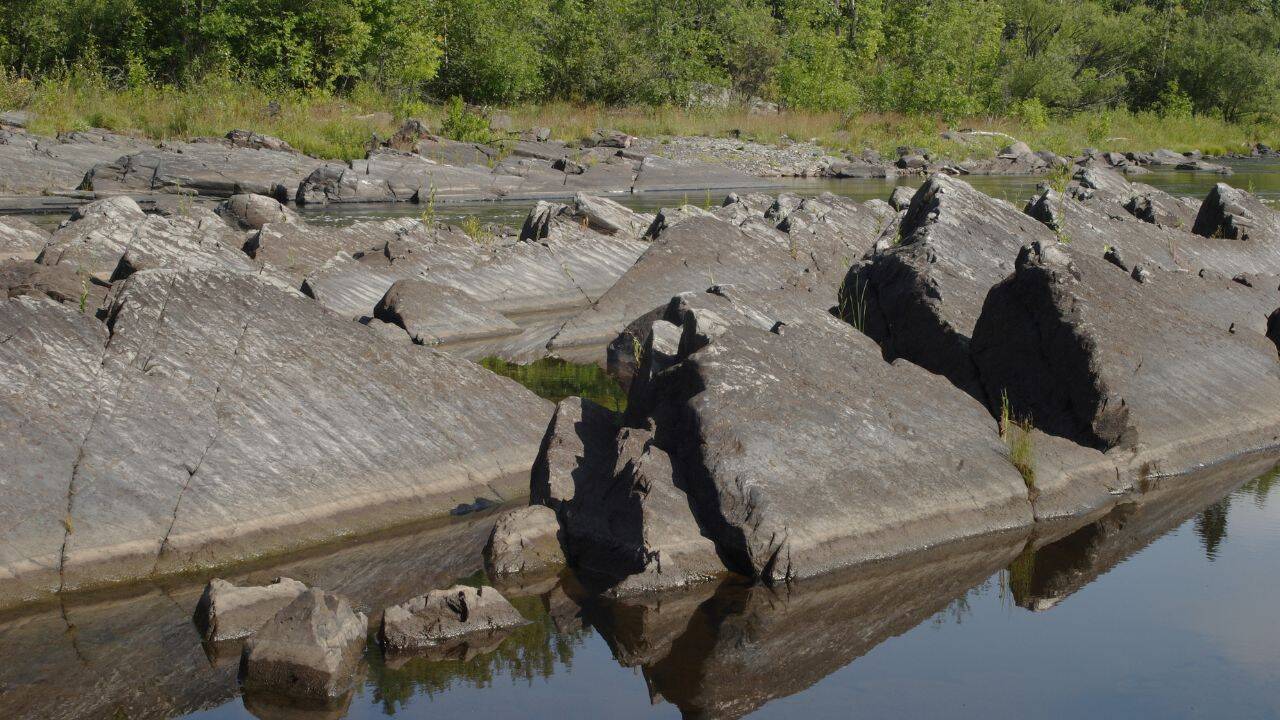
Industrial history leaves scars. For over a century, paper mills, shipping docks, and manufacturing plants treated waterways like open sewers. Northeastern Minnesota's St. Louis River paid a heavy price for that progress. By the time it was flagged as a severe environmental hazard in 1987, the ecosystem was drowning in mercury, polychlorinated biphenyls (PCBs), and polycyclic aromatic hydrocarbons (PAHs).
Fixing a mess that large takes decades. But a massive milestone was crossed when federal, state, and tribal agencies marked the completion of the final sediment cleanup project on the Minnesota side of the river.
Moving Past Decades of Industrial Neglect
When the U.S. Environmental Protection Agency (EPA) and the Minnesota Pollution Control Agency (MPCA) kicked off this latest wave of intensive sediment projects back in 2018, the scale was daunting. The goal wasn't just skimming the surface. Crews had to dredge, treat, and isolate toxic muck buried deep in shipping slips and reservoirs.
The final piece of the Minnesota puzzle centered on Thomson Reservoir. This $30.5 million project tackled 225,000 cubic yards of contaminated sediment spread across nearly 70 acres. Wrap your head around that volume. It is a massive engineering undertaking designed to stop toxins from continuously cycling through the food chain.
With Thomson Reservoir wrapped up, the broader St. Louis River restoration effort officially crossed an enormous threshold: over 1.9 million cubic yards of contaminated sediment addressed.
Why Sediment Cleanup Matters
Most people think water pollution is just about murky water or floating trash. The real danger sits quietly at the bottom. Rivers act as traps. Heavy metals and industrial chemicals bind to fine sediments, lingering for generations.
Fish ingest these toxins from bottom-dwelling organisms. Larger fish eat smaller fish. Eventually, anglers catch and eat walleye or northern pike carrying high concentrations of mercury. That is how industrial choices from the early 1900s end up on human dinner plates decades later.
By dredging or capping these hotspots, agencies break that cycle. In places like Minnesota Slip, engineers used specialized capping techniques and thick sand layers to lock the poison away permanently. Elsewhere, millions of cubic yards of toxic sludge were physically removed, dried out, and hauled to licensed disposal facilities.
The Long Road to Delisting
The St. Louis River is designated as an Area of Concern under the Great Lakes Water Quality Agreement. That is bureaucratic shorthand for a water body suffering severe environmental degradation.
Reversing that designation requires two main fronts: cleaning up contaminated sediment and restoring lost wildlife habitat. Alongside the 1.9 million cubic yards of dredged muck, project partners have successfully restored more than 1,000 acres of vital habitat. They've even seeded over 80,000 pounds of manoomin, or wild rice, bringing back native species that once vanished from the industrial corridors.
Four out of the nine original beneficial use impairments for the river have been officially removed. While work continues on the Wisconsin side of the bi-state estuary—including ongoing projects in Superior Bay—crossing the finish line on the Minnesota side proves that massive ecological recovery is possible.
The river is finally getting a clean slate. Local communities are reclaiming the waterfront for tourism, recreation, and everyday life. It took billions of dollars in combined state, federal, and local funding, alongside decades of pressure from local groups like the St. Louis River Alliance.
Nature heals itself if you give it a push. But it takes a lot of heavy machinery and political will to undo a century of mistakes.



