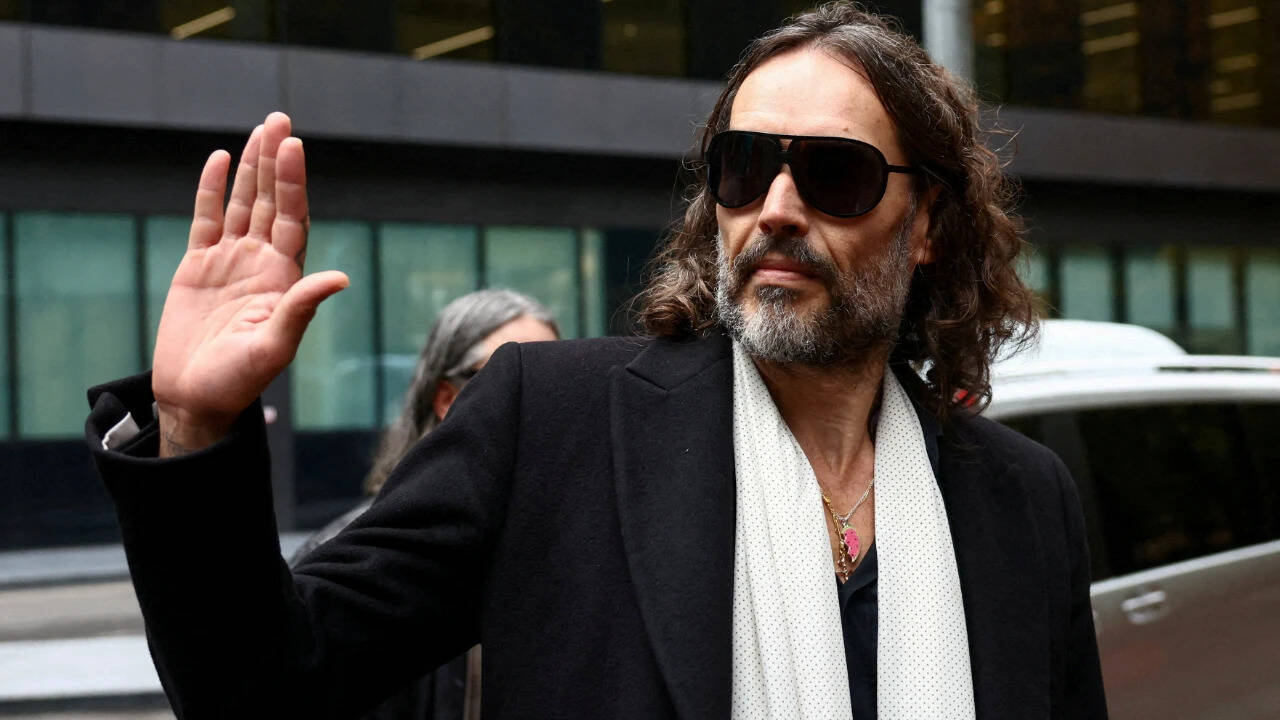
A London courtroom finally delivered a definitive answer to years of speculation, whispers, and investigative reporting. Russell Brand has been sentenced to 10 years and six months in prison after a jury convicted him of rape and multiple sexual assaults.
For years, the comedian and media personality operated within an ecosystem that protected his public persona while hiding darker realities behind closed doors. When Judge Joel Bennathan handed down the sentence at Southwark Crown Court, he didn't mince words. He called Brand out directly, pointing out that behind the charm, wit, and rising fame of two decades ago lay a calculated sexual predator.
How the Case Unfolded
The legal reckoning didn't happen overnight. It took years of courage from survivors who stepped forward after a joint 2023 media investigation by The Times and Channel 4. That investigation ripped the lid off decades-old allegations, prompting police to dig deep into behavior that spanned the height of Brand's mainstream television and radio career.
During the trial, prosecutors laid out a disturbing pattern. Brand was convicted of one count of rape and three counts of sexual assault involving four different women between 2004 and 2009. The incidents took place across various locations, including a London bar, a radio studio, and a television production site. Jurors cleared him of two other rape charges and an attempted indecent assault charge, but the convictions secured were more than enough to dismantle his era of impunity.
Judge Bennathan noted during sentencing that Brand showed a "casual and arrogant disregard" for anyone who said no to him. The judge handed down nine years for the rape conviction, alongside concurrent and consecutive sentences for the assaults, totaling ten-and-a-half years behind bars. Brand, now 51, stood largely emotionless as the prison term was delivered, before mouthing words to his wife as security led him away.
The Real Failure Was Institutional
You can't look at the Brand case without examining the machinery that let him get away with it for so long. Back when these assaults occurred, some victims tried to speak up. They reported behavior to senior management at major media outlets, only to watch their complaints get brushed aside or ignored.
Celebrity status acts like body armor in the entertainment industry. When someone brings in high ratings, generates revenue, and embodies the rebellious brand image a network wants to sell, warning signs get dismissed as mere eccentricities. Executive complacency creates a playground for predators.
Public figures who weaponize their charm often rely on the assumption that nobody will believe an ordinary person over a famous face. That power imbalance is precisely what kept these women silent for years. The verdict proves that while institutional protection can delay justice, it cannot stop it forever.
Why This Verdict Changes the Conversation
This case serves as a massive cultural pivot point. For too long, powerful men accused of misconduct could pivot to alternative media platforms, cry victim about cancel culture, and rebuild audiences without ever facing a cross-examination in a court of law. Brand himself spent recent years transforming into an online political commentator, railing against mainstream institutions while cultivating a loyal digital following.
None of that digital armor matters when a criminal court hears the actual evidence. A jury of eight men and four women sat through harrowing testimonies, weighed the facts, and rejected the defense's claims of consensual encounters.
The fallout has been swift. Major UK publishers have pulled his books, media archives are being re-evaluated, and corporate accountability policies across British broadcasting are facing intense scrutiny.
When accountability finally arrives, it strips away the mythos surrounding untouchable cultural figures. The legal system drew a hard line at Southwark Crown Court, proving that past fame offers zero immunity against criminal acts.



