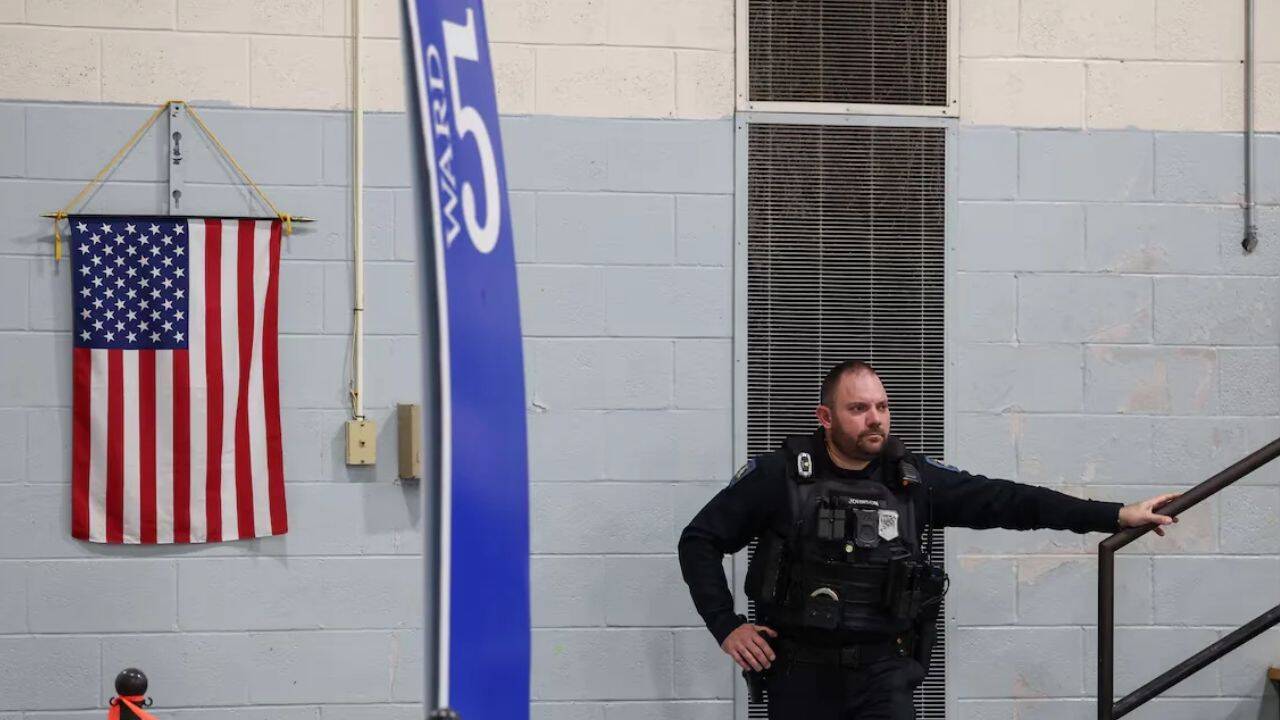
When the Justice Department announces it's pushing 1,000 federal observers into polling places across all fifty states, people panic. Headlines scream about federal overreach, civil rights groups file emergency lawsuits, and voters start wondering if they're walking into a hostile environment. But if you look past the partisan shock-value, the reality of this historic monitoring effort is a lot more procedural than most media outlets care to admit.
Let's break down what's actually happening on the ground, why critics are furious, and what limits federal staff legally face when they walk through those polling station doors.
The Scale of the Deployment
Assistant Attorney General Harmeet K. Dhillon called this the largest monitoring effort in the history of the Justice Department. That isn't just bureaucratic hyperbole. The numbers are roughly triple what past administrations deployed during previous midterm cycles.
These personnel aren't coming from the FBI or ICE. Following swift legal pushback and court agreements, the administration clarified that staff are drawn from administrative and clerical divisions, alongside personnel from agencies like the ATF, DEA, and the Bureau of Prisons. They are deployed to target areas that feature competitive legislative races or a documented history of ballot access issues and language minority compliance.
Many of these chosen municipalities happen to lean heavily Democratic, which immediately triggered accusations of targeted political friction. Critics argue that placing federal eyes in urban, left-leaning voting districts creates an implicit chilling effect. It turns a routine civic duty into something that feels heavily policed.
Why Democrats and Civil Rights Groups Are Alarmed
You can't talk about federal observers without looking at the broader context of how state and federal authority are colliding. For months, the Trump administration has engaged in aggressive election oversight. The DOJ has filed various lawsuits demanding voter registration records from multiple states, attempting to vet voter rolls more stringently.
When you combine those data-driven battles with federal officials showing up in physical polling booths, civil rights organizations like the NAACP smell smoke. They filed emergency legal complaints arguing that the sudden surge of federal figures could cross the line into voter intimidation, particularly for minority communities or non-English speaking voters who might feel unnerved by official government presence.
Federal judges have largely allowed the monitoring program to proceed, provided strict boundaries are maintained. Those boundaries matter.
What Monitors Can and Cannot Do
Voters often picture federal agents swaggering into a school gymnasium or community center with handcuffs and clipboards, ready to interrogate people. That isn't how the law works.
Federal monitors are legally restricted by strict operational limits:
- They are strictly barred from carrying firearms.
- They cannot wear uniforms or display insignia that suggests active law enforcement.
- They have zero authority to conduct on-the-spot investigations or stop anyone from casting a ballot.
- They cannot talk to voters to question their eligibility or credentials.
Their job is essentially to watch, listen, take notes, and report potential federal violations back to the department after the polls close. They look for compliance issues under statutes like the Voting Rights Act—such as ensuring that translated election materials are properly distributed for Spanish-speaking populations or checking that lines move without systemic obstruction.
The Practical Math of Federal Oversight
If you are worried that a thousand people can effectively control or disrupt an election across an entire nation, the math simply doesn't hold up.
Think about the sheer scale of American infrastructure. During a typical major election cycle, the United States utilizes close to 100,000 individual polling locations. Spreading 1,000 monitors across fifty states means the vast majority of polling places will never see a single federal observer. Their presence is a drop in a very large ocean.
Furthermore, local and state election officials retain primary control over their facilities. Some local jurisdictions have pushed back entirely, denying federal requests for internal access based on state-specific election laws.
What This Means for You on Election Day
If you encounter a federal monitor at your polling place, don't panic, and don't let it change how you vote. They are observers, not participants. They cannot touch your ballot, challenge your registration, or block your path.
Your local poll workers are still the ones running the show. If anyone tries to physically intimidate you, block your entry, or demand unauthorized credentials inside the voting booth, report it immediately to local election judges or nonpartisan voter protection hotlines like Election Protection (866-OUR-VOTE).
Cast your ballot with confidence. The noise in Washington is loud, but inside the booth, your vote remains entirely your own.



