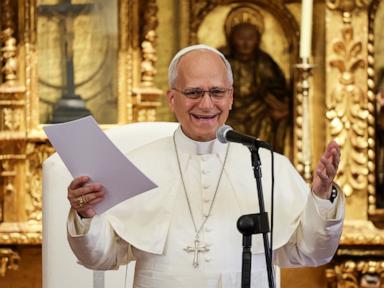
When the head of the Catholic Church steps into a nation grappling with institutional scandals, the standard playbook usually involves quiet diplomacy and closed-door meetings. But the current reality unfolding in Peru looks entirely different. Pope Leo XIV has made it explicitly clear to Peruvian bishops that protecting the institution by hiding misconduct is over.
If you've been following how the Vatican handles clerical abuse and local church credibility crises, this visit is a crucial stress test. It's not just about managing optics anymore. It’s about whether local hierarchies will actually execute real accountability or default to old habits of silence.
Confronting the Reality on the Ground in Peru
For decades, the conversation around church-related abuse in Latin America often played out in the shadows. While countries like the United States, Ireland, and Australia saw massive public reckonings years ago, Peru’s situation has festered under a heavy blanket of local influence and institutional denial.
Databases like BishopAccountability have historically flagged that documented accusations represent only a tiny fraction of the actual pain experienced by vulnerable communities. Victims in deeply Catholic regions face immense social pressure to stay quiet. When the Pope tells bishops to step out of their comfortable offices, accompany their flocks, and face these truths directly, he's attacking a culture of clericalism that allowed abusers to operate unchecked.
You can't preach pastoral care while ignoring systemic harm. That's the core message coming out of Lima. The Vatican is pushing local leaders to move past defensive posturing and adopt a rigid framework of transparency, victim support, and structural prevention.
Why Truth and Justice Outweigh Institutional Defense
For generations, church leadership treated internal scandals as public relations problems rather than moral and legal failures. That strategy is collapsing under its own weight.
When leadership demands truth and justice, it requires a complete operational shift:
- Opening internal records to civil authorities instead of hiding behind canon law loopholes.
- Prioritizing the psychological and physical safety of the vulnerable over the pristine reputation of the diocese.
- Dismantling networks of protection that shield rogue priests and influential lay movements from facing real consequences.
In Peru, groups associated with prominent ultraconservative movements have faced intense scrutiny and high-profile expulsions following prolonged investigative work by local journalists and brave survivors. The Pope’s directive signals that local bishops can no longer pretend these scandals are isolated incidents or media fabrications.
What This Means for the Future of Accountability
Words are cheap, especially when spoken from a papal stage. The real measure of this visit won't be found in the speeches delivered in grand cathedrals, but in what happens after the papal entourage boards the flight back to Rome.
Survivors and advocacy groups aren't holding their breath for empty apologies; they want asset restitution, open investigations, and zero tolerance for bishops who look the other way. If Peruvian church leaders fail to implement these mandates, the credibility gap will widen into an unbridgeable chasm.
The demand has been set. Now the spotlight shifts entirely to local authorities to prove whether justice is just a buzzword or an actionable reality.



