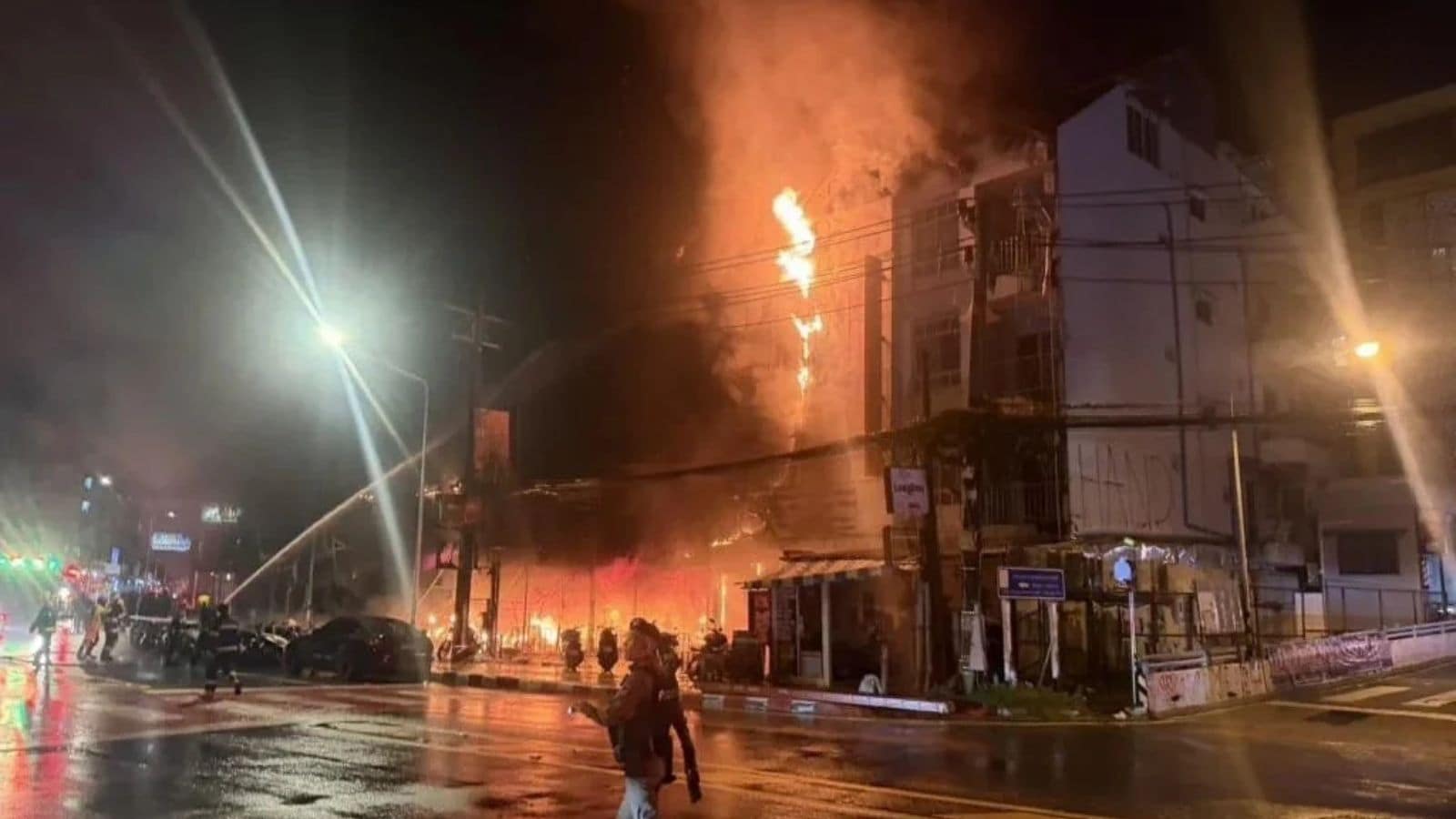
A massive fire tearing through a commercial building doesn't just destroy property; it exposes systemic vulnerabilities that communities ignore until it's too late. When a deadly blaze struck a commercial shophouse in the Patong area of Phuket early on a Monday morning, it left 11 people dead and dozens injured. While investigators comb through the charred remains to find out what triggered the disaster, the tragedy demands a closer look at how these multi-use urban buildings operate.
The Anatomy of the Patong Disaster
The fire broke out around 3:17 a.m. along Phang Muang Sai Kor Road, a busy stretch near Phuket's famed western coast. According to local reports, the flames originated in a commercial shophouse that housed a vehicle rental business before rapidly jumping to adjacent structures. Shophouses are a staple of Southeast Asian urban design, combining retail or commercial space on the ground floor with living quarters or storage above.
Governor Chodnarin Koedsom pointed out a terrifying reality: the rental hub stored roughly 100 motorcycles alongside massive amounts of combustible materials like engine oil, tyres, plastic parts, and stored gas. These fuel sources acted like an accelerant, turning the building into an inferno and pumping thick, toxic smoke through the upper levels before occupants could escape. Firefighters spent two grueling hours bringing the blaze under control, ultimately discovering 11 fatalities. Sixteen others suffered injuries, primarily from smoke inhalation and broken glass during frantic escape attempts.
Why Shophouse Architecture Poses Unique Hazards
If you've ever walked through Patong, Phuket Town, or Bangkok, you've seen thousands of these buildings. They are narrow, deep, and often share common walls with neighbors. This layout creates unique fire safety challenges that set them apart from standard residential or commercial structures.
- Single Escape Routes: Many shophouses feature only one front staircase or exit. When a fire starts on the ground floor—often near the entrance where commercial activities take place—it cuts off the only path to safety.
- Heavy Fire Loads: Storing inventory, fuel, or retail goods in tight quarters transforms a living space into a warehouse.
- Lack of Compartmentalization: Open floor plans and internal stairwells allow smoke and fire to travel vertically at astonishing speeds. Occupants sleeping upstairs wake up already trapped behind walls of dense, toxic fumes.
Data released by local authorities confirmed that the victims and injured individuals were local residents and workers, including Thai and Myanmar nationals, with no tourists caught in the immediate blast zone. Yet, the incident highlights a recurring safety crisis in Thailand. Just four months prior, a devastating bar fire in Bangkok claimed roughly 27 to 40 lives, triggering intense scrutiny over lax enforcement of building codes and safety regulations.
Addressing the Broader Safety Gap
Tragedies like this prompt immediate vows of stricter inspections, but enforcement remains a massive hurdle. Commercial shophouses operate in dense urban environments where commercial utility frequently overrides residential safety measures. When business owners store flammable goods, chemicals, or dozens of motor vehicles directly beneath sleeping quarters without industrial-grade fire suppression systems, disaster becomes a question of when, not if.
Preventing future losses requires shifting how municipalities regulate mixed-use spaces. Local governments must mandate clear fire barriers between commercial ground floors and upper residential tiers. Enforcing stricter occupancy limits, requiring multiple independent exit routes, and banning the bulk storage of high-risk combustibles in residential zones are non-negotiable steps for urban survival.
As the official investigation into the Phuket fire continues, the focus must shift from temporary shock to permanent structural reform. Ignoring the inherent dangers of high-density mixed-use buildings guarantees that communities will keep paying the ultimate price.
Patong Beach Shophouse Fire Update
This video provides local news coverage and context regarding safety enforcement measures across Phuket following recent infrastructure incidents.