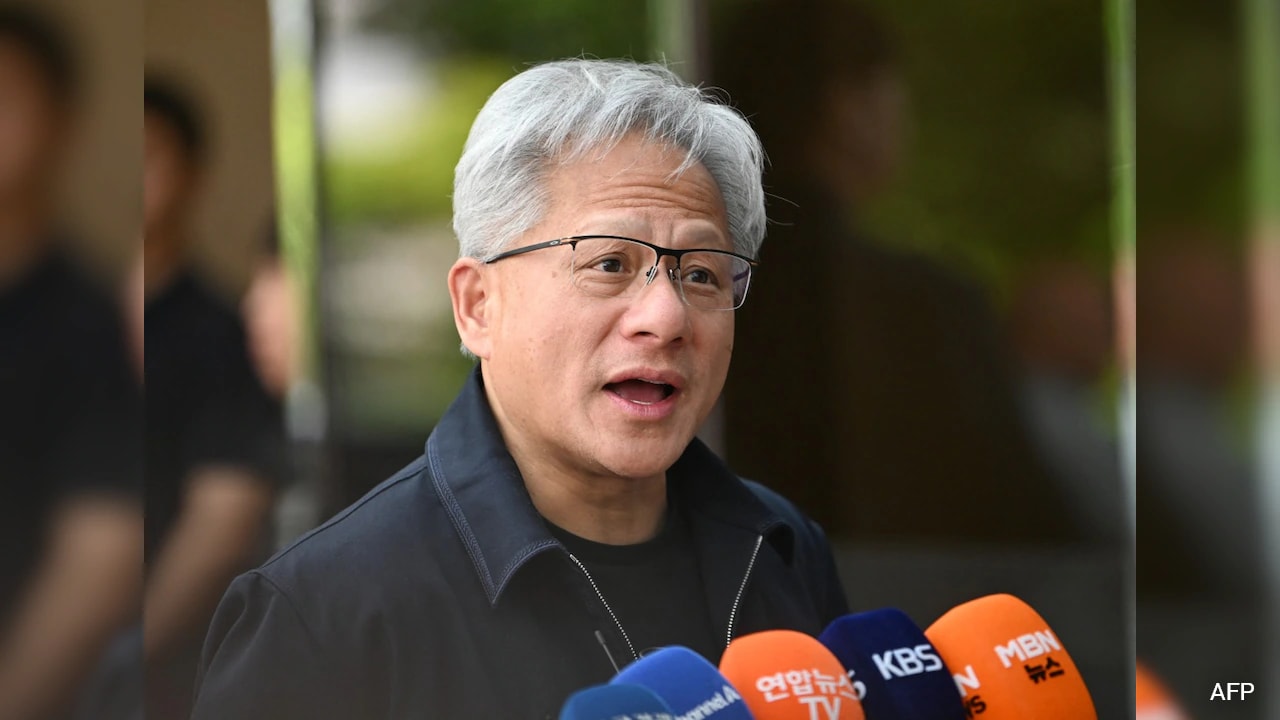
Silicon Valley loves a good corporate myth, but every empire eventually hits a wall. For over three decades, Jensen Huang built Nvidia from a scrappy graphics chip maker into the absolute titan of the artificial intelligence boom. Then, a storm of geopolitical scrutiny, intelligence probes, and explosive personal scandals caught up with the leadership. With Nvidia's board launching an active search for a permanent Chief Executive Officer and CFO Colette Kress stepping in as interim leader, the tech world is left wondering how a company valued in the trillions handles a sudden existential transition.
If you are paying attention to the markets, you know this isn't just about boardroom gossip. It is a stress test for global supply chains, US-China semiconductor policies, and the cult of personality that dominates modern tech companies.
The Anatomy of the Crisis
The turbulence didn't happen overnight. Months of mounting pressure following reports from US intelligence agencies regarding interactions with a corporate executive linked to overseas networks ultimately forced a reckoning. While federal investigators and independent legal counsel examine whether any sensitive architecture or trade data was compromised, the immediate corporate casualty was clear. Nvidia's board had to act to protect its institutional credibility.
When stories broke regarding undisclosed personal relationships intersecting with high-stakes chip distribution channels—specifically involving billions in hardware transactions—investors panicked. Shares took a severe hit, wiping out massive chunks of market value in days. Wall Street hates uncertainty more than anything else.
Why the Search for a Permanent CEO Changes Everything
Nvidia named Colette Kress as interim CEO while the board evaluates both internal and external candidates for the permanent role. Kress is a steady hand who understands the financial machinery better than almost anyone. However, running day-to-day finance is very different from steering a geopolitical lightning rod.
Choosing a permanent leader from the outside would signal a complete cultural reset. Choosing someone from the inside means doubling down on the exact playbook that got them here.
Consider what makes Nvidia unique:
- Centralized Control: Huang famously had dozens of direct reports, running a flat organization driven by sheer force of will.
- Hardware Dominance: Their GPUs power nearly every major language model and data center on earth.
- Geopolitical Crosshairs: They sit right at the center of the US-China tech cold war.
Finding a successor who can manage chip manufacturing alliances, satisfy federal regulators, keep restless enterprise clients happy, and maintain technological velocity is an impossible checklist.
What Most Analysts Miss About the Nvidia Transition
Most market commentary focuses entirely on stock volatility or personal drama. They miss the structural reality of modern hardware monopolies. Nvidia isn't just a software shop that can swap out a CEO over a weekend Zoom call. Their dominance relies on complex, decades-long engineering pipelines.
When a visionary founder leaves under a cloud, employee morale takes a direct hit. Engineers don't care about headlines; they care about whether the roadmap stays intact. Kress and the executive team have rushed to reassure developers and clients that product timelines won't skip a beat. Whether that holds true through a lengthy CEO search remains the multi-billion-dollar question.
The Broader Lesson for the Tech Industry
We are witnessing the end of an era where singular founders can operate like sovereign entities. Regulatory scrutiny on big tech is tightening globally. Governments are no longer willing to look the other way on supply chain security, export controls, or corporate governance just because a company makes cool chips.
The board room is reclaiming power from the visionaries. That shift will change how hyper-growth tech giants operate for the next decade.
Keep a close eye on the upcoming earnings calls and regulatory filings. The real story isn't about yesterday's gossip. It is about who steers the hardware behind the entire global intelligence infrastructure next.