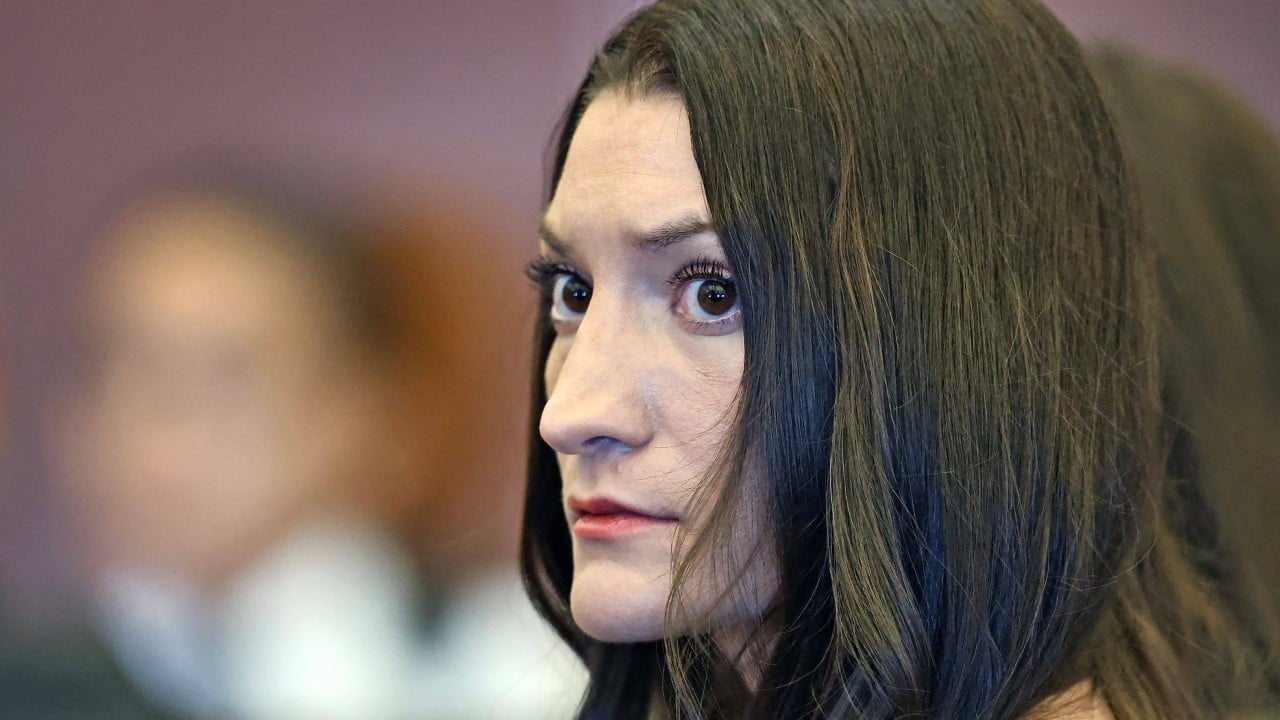
The courtroom drama surrounding Lindsay Clancy refuses to quiet down. Months after a dramatic mistrial, the former labor and delivery nurse is back in a Massachusetts courtroom fighting to dismiss the first-degree murder charges against her. If you have been following this tragic case out of Duxbury, you already know the baseline facts. In January 2023, Clancy killed her three young children—Cora, Dawson, and Callan—before attempting to take her own life, leaving her partially paralyzed.
What makes this latest legal maneuver so crucial isn't just the procedural back-and-forth. It highlights a massive, ongoing fracture in how the American legal system handles severe mental health crises during or after childbirth.
Inside the Post-Trial Motions and the Fight to Dismiss
During recent hearings at Plymouth Superior Court, defense attorney Kevin Reddington pushed hard for a dismissal or a required finding of not guilty, pointing to what he views as an immense failure of the medical system and an absence of intentional malice. The defense's core argument remains rooted in severe postpartum psychosis and bipolar disorder, asserting that Clancy fundamentally lacked criminal responsibility when the tragedy occurred.
The first trial ended in a deadlock because of a stark jury split. Eleven jurors were reportedly ready to rule her not guilty by reason of lack of criminal responsibility. Only a single holdout prevented a definitive verdict, forcing Judge William Sullivan to declare a mistrial.
Prosecutors aren't backing down, though. They have argued vigorously against the double-jeopardy and dismissal motions, maintaining that a deadlocked jury represents a classic case of manifest necessity. They want the option to try her again, or pursue paths that hold her accountable for the deaths of the three children. Judge Sullivan previously rejected requests to outright acquit her, signaling that the state has cleared the evidentiary threshold required to keep the case alive.
Why This Case Terrifies Medical and Legal Experts Alike
Cases involving postpartum psychosis force juries and judges into deeply uncomfortable territory. We like our criminal law neat. We like boundaries between premeditation and accident, sanity and insanity. Postpartum psychosis shatters those neat boundaries entirely.
When someone experiencing this condition acts, they are often trapped in a terrifying, delusional reality. Medical experts during the trial debated whether Clancy understood the gravity of her actions, parsing the fine line between severe psychiatric detachment and traditional legal definitions of sanity.
If a second trial happens—with dates being weighed potentially for mid-2027—it will dredge up the same agonizing testimony from first responders, medical experts, and family members, including her ex-husband Patrick Clancy. Yet a retrial also risks producing the exact same deadlock. Prosecutors face a tough reality: convincing a full, unanimous panel of twelve jurors to convict a mother whose brain was arguably hijacked by a recognized medical emergency is an uphill battle. At the same time, letting the charges go completely would spark public outrage.
What Happens Next in Plymouth Superior Court
Right now, Judge Sullivan holds the cards. He is reviewing outstanding defense motions regarding dismissal and double jeopardy. If he denies the dismissal, both sides must begin preparing for the logistical nightmare of a massive retrial that could easily consume weeks of court time.
If the charges somehow get dismissed, or if a future proceeding ends with a ruling of lack of criminal responsibility, Clancy would likely face long-term psychiatric commitment rather than a prison cell. She has spent her post-tragedy months at Tewksbury Hospital, dealing with the physical realities of her suicide attempt alongside ongoing psychiatric care.
This legal battle goes far beyond one courtroom in Massachusetts. It forces an unflinching look at how society treats maternal mental health, how courts interpret medical delusions, and whether a system built on punishment can adequately address a mind completely dismantled by illness.
Lindsay Clancy murder case ends without verdict as judge declares mistrial
This video provides an overview of the mistrial declaration and the complex legal arguments surrounding the case's initial conclusion.



