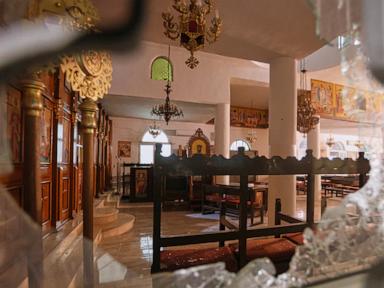
Violence rarely announces itself. In Karak, a quiet governorate tucked about 90 kilometers south of Amman, a routine afternoon gathering for a funeral shattered into chaos in seconds. Gunmen emerged with automatic weapons, turning a solemn ritual into a bloody site of survival and grief.
When the shooting started outside the Greek Orthodox church, mourners didn't immediately grasp the danger. It sounded like an engine backfiring. Then the reality set in. Masked attackers fired indiscriminately into the crowd, targeting people who had gathered simply to pay their respects to the departed.
Surviving the Karak Church Attack
Saed al-Halaseh, a witness and survivor of the assault, described a scene of absolute terror. He watched as the attackers refused to stop after the initial rounds. Instead, they returned to fire on the wounded, targeting anyone who moved. Al-Halaseh dropped to the ground, crawling behind a parked car to escape the gunfire that struck friends and neighbors in the head and back.
The assault left nine people dead and nearly 40 others wounded. For a community long defined by peaceful coexistence and religious tolerance, the tragedy shattered a fundamental sense of safety.
The Official Response and Investigations
Jordanian authorities designated the shooting a terrorist act. King Abdullah II responded swiftly, directing security forces to strike back with an iron fist against anyone trying to undermine the nation's stability and unity.
Despite the high-level response, questions lingered in the immediate aftermath. Investigators struggled to uncover a clear motive, and no group immediately claimed responsibility for the bloodshed. For local residents, the lack of an immediate explanation only compounded the shock. Communities accustomed to stability now find themselves questioning how such a targeted assault could happen in broad daylight.
Impact on Christian Minorities in the Region
Karak has historically stood out as a beacon of mutual respect between Muslim and Christian communities in Jordan. Minority Christian populations have lived and worshipped there for generations without facing this level of targeted violence.
When places of worship become targets, the psychological impact ripples far beyond the immediate neighborhood. Mourners gathered at a funeral became victims of an indiscriminate slaughter, leaving survivors to grapple with a new reality where traditional spaces of solace feel vulnerable.
Moving Forward After the Tragedy
As security forces tighten their grip across the region and pursue those responsible, the local community faces a long healing process. Authorities are reviewing security protocols around religious sites, while community leaders urge residents to maintain solidarity against attempts to fracture social cohesion. The tragedy in Karak serves as a grim reminder of how fragile security can be, forcing the nation to confront unprecedented threats to its internal peace.



