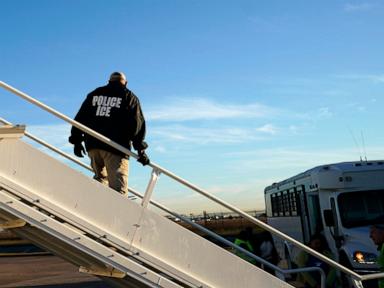
Courts and the executive branch rarely collide with this level of open hostility. When a federal judge compares a government deportation strategy to sending people back to Nazi Germany during wartime, you know normal administrative guardrails have completely broken down.
Federal District Judge Ana Reyes didn't hold back during a tense court hearing regarding administration plans to deport Iranian immigrants back to Iran. The core issue isn't just about standard immigration enforcement. It involves secret diplomatic coordination with a declared enemy nation while active military conflict and bombings are underway.
The Reality of Wartime Removals
Most people assume immigration policy operates in a legal vacuum separate from foreign policy. It doesn't. But when the two merge during active hostilities, the stakes shift from bureaucratic friction to immediate threats to human life.
According to unsealed court documents and transcripts from the lawsuit brought by the Iranian American Legal Defense Fund, immigration agencies held secret talks and coordinated with Iranian officials—using intermediaries like the Pakistani embassy—to arrange travel documents and removal flights. More than 100 individuals have already been flown back across multiple deportation flights, and officials targeted additional detainees for removal.
Justice Department attorney Dimitar Georgiev-Remmel defended the moves in court by stating the administration is simply executing lawful orders of removal. But Judge Reyes pointed out the glaring contradiction of sending individuals back to a jurisdiction that the current White House has publicly labeled lawless and accused of mass violence against protesters.
"We are talking about sending individuals in our care and custody to a country that we have bombed and we may continue bombing, and is a declared enemy of this country," Reyes stated on the court record.
Why This Case Breaks the Mold
Legal battles over immigration usually center on procedural due process, notice periods, or the interpretation of statutory asylum rules. This case goes much deeper.
- Confidential Data Sharing: The underlying lawsuit alleges that immigration agencies shared sensitive, confidential asylum records directly with Iranian officials, compromising individuals who fled the regime in the first place.
- Third-Country Loophole: To bypass obvious diplomatic and physical hurdles, the administration has looked at routing deportations through third countries, or utilizing unconventional relocation destinations similar to other hardline agreements seen with nations like El Salvador, Panama, and the Central African Republic.
- Judicial Firewalls: Frustrated by a lack of transparency, Judge Reyes issued a strict order demanding at least five days of advance notice before any individual is placed on a transport vehicle or plane bound for removal, alongside a 24-hour warning of finalized plans. She made it clear that contempt proceedings and personal accountability measures will follow any violations.
The Broader Hardline Playbook
This clash highlights how far the executive branch is willing to push immigration enforcement tools during a second term. The administration's objective remains absolute: maximize removals regardless of geopolitical volatility. When standard channels fail, alternative paths—including talking directly with adversarial governments or utilizing third-party waypoints—are put on the table.
Yet, judicial pushback is the primary obstacle slowing down these rapid turnaround plans. Federal judges are increasingly stepping in to demand oversight when executive actions brush against constitutional obligations and international safety norms.
The immediate result is a high-stakes standoff. Detainees refuse meetings with foreign officials inside detention centers, legal advocates scramble to file emergency motions, and federal judges threaten severe sanctions for anyone caught bypassing court oversight.
Watch how the Department of Homeland Security responds to these strict notification mandates. If enforcement agencies attempt to move quickly without court clearance, the ensuing contempt hearings will redefine the limits of executive power over wartime removals.



