When the U.S. Army decided to blow up five tons of degraded lead azide at the Iowa Army Ammunition Plant, panic spread faster than any shockwave. People worried about toxic plumes, contaminated wells, and fallout drifting across state lines. But initial laboratory analyses paint a much different picture.
The Environmental Protection Agency announced that post-detonation water samples pulled from public drinking systems showed zero detectable lead. Continuous air monitoring networks also logged zero airborne lead detections across thirty consecutive hours following the blast.
Government officials called the operation a massive success. Residents living near Middletown, Iowa, however, are still asking tough questions about transparency, long-term soil health, and why the stockpile was allowed to degrade to a crisis point in the first place.
Why the Army Had to Detonate
Lead azide is an extremely sensitive primary explosive used to detonate other energetic materials. The material sitting in the southeastern Iowa stockpile had degraded over time. As winter approached, colder temperatures raised fears that the unstable chemical could detonate spontaneously inside its storage bunkers. Leaving it alone wasn't an option. Moving it down a highway was out of the question due to the extreme risk of friction-triggered detonation.
Controlled destruction on-site was the only viable path forward, even though it meant intentionally blowing up hazardous material right in America's Heartland.
The operation faced immediate legal hurdles and fierce public pushback. Environmental groups sued to halt the timeline, arguing that local populations needed more warning and better safeguards. That pressure forced a delay, giving teams time to build two-story concrete and sand blast barriers, deploy ballistic gels, and blanket the bunkers in foam to capture potential dust.
When the twin blasts finally echoed across the landscape, they didn't produce the apocalyptic cloud many feared. Observers noted the smoke dissipated within minutes, heavily suppressed by the engineered foam and water measures.
The Data Behind the Clean Bill of Health
The EPA deployed a massive response team, mobilizing over 170 pieces of equipment, mobile command centers, and specialized air toxics labs. Before the button was pushed, they collected more than 1,500 baseline samples from soil, water, and air.
Following the explosion, they gathered over a thousand additional post-detonation samples from local homes, public parks, schools, and agricultural watersheds.
The early results offer substantial relief:
- Real-time air monitors registered zero spikes in airborne lead or volatile organic compounds.
- Thirty-eight water samples from public drinking systems tested clear of any elevated lead content.
- Watershed testing along the Mississippi River showed no downstream contamination.
Independent experts have urged patience while comprehensive lab results continue rolling in over the coming weeks. While the air quality data looks promising, verifying soil deposition across private farmland requires deep laboratory analysis rather than quick field kits.
Lingering Distrust and Real-World Risks
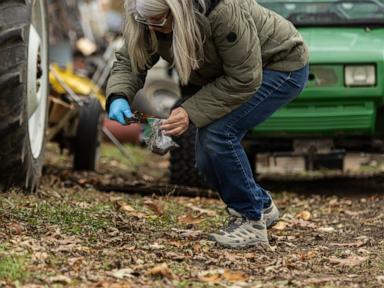
Despite the clean initial reports, skepticism runs deep among local farmers and residents. Livestock owners worried about pregnant cattle breathing residual dust, while organic farmers scrambled to collect independent soil samples to certify their land.
The friction between military necessity and community communication highlights a recurring failure in modern infrastructure management. When agencies drop major environmental hazards on communities with minimal runway, trust evaporates. Even when the science proves the operation was safe, the lack of upfront dialogue leaves scars that take much longer to heal than a dissipating smoke plume.
Pay attention to upcoming independent reviews from university researchers who deployed their own monitors. Keep an eye on local watershed reports if you pull water from regional aquifers near the plant perimeter.
The immediate crisis has passed without a public health disaster, but the event serves as a stark reminder of the hidden hazards lingering in military installations across the country.